
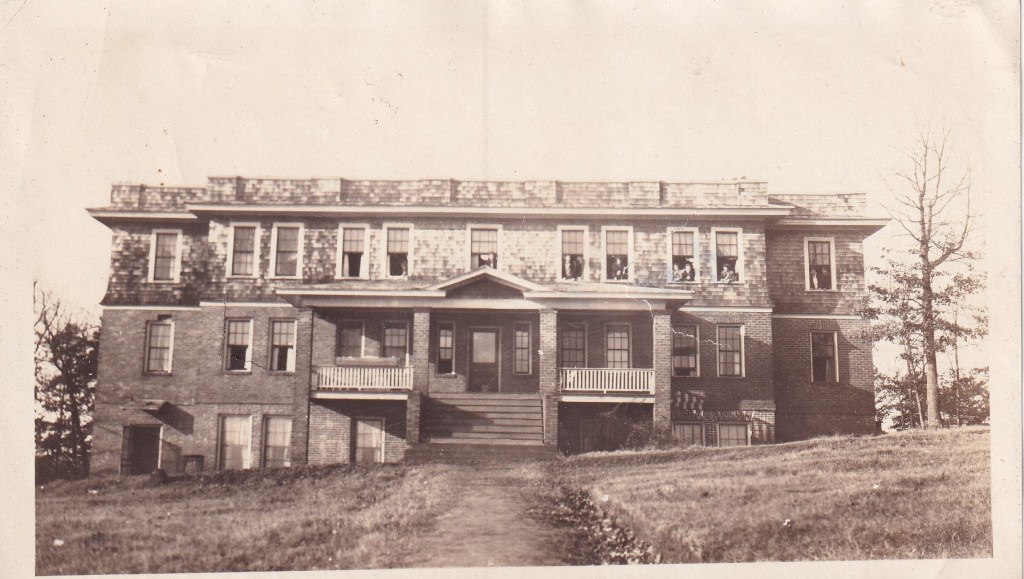
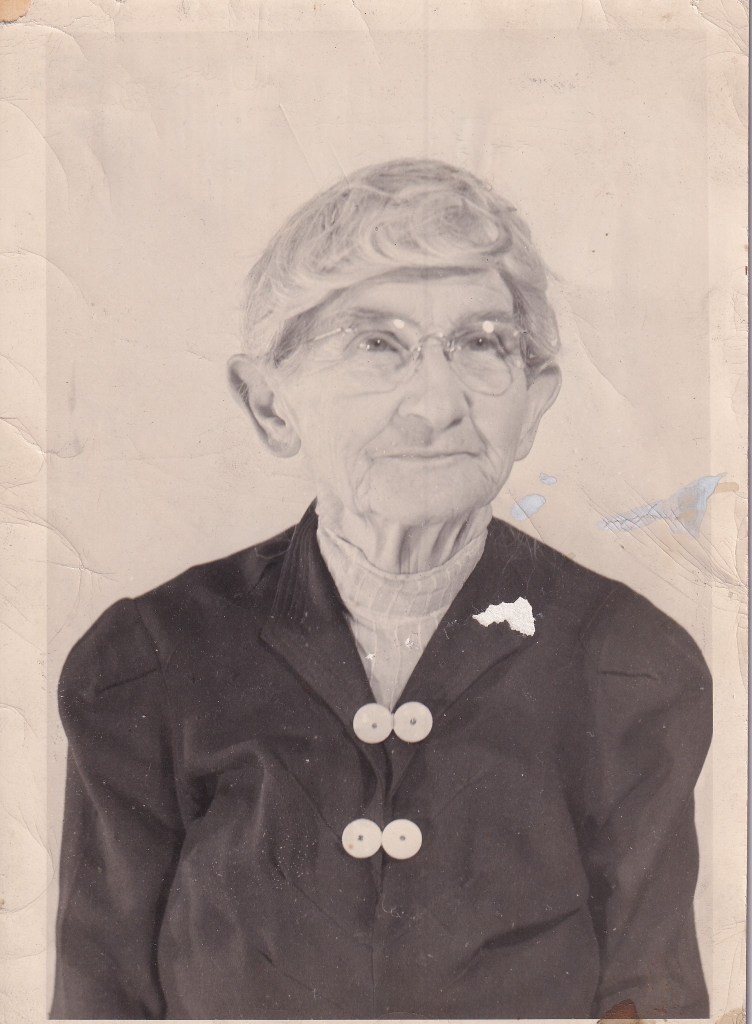
On Saturday, March 11, 1916, a fire took the first girl’s dorm on campus. “Mother” Wingo lived in the dorm and her piano was one of the only items saved from the blaze. Thankfully, no one was injured because the fire started while everyone was attending an E.Q.V. and A.C.H. banquet. The boys gave up their dorm to the girls and one of them even let Mrs. Wingo borrow a hat to wear to church the next day. The community came together quickly to not only house the misplaced boys but to also build a temporary dining hall and kitchen. By that Wednesday, the students and teachers were eating supper in the newly constructed temporary dining hall. According to Jean Martin Flynn, the ashes hadn’t even had time to cool.
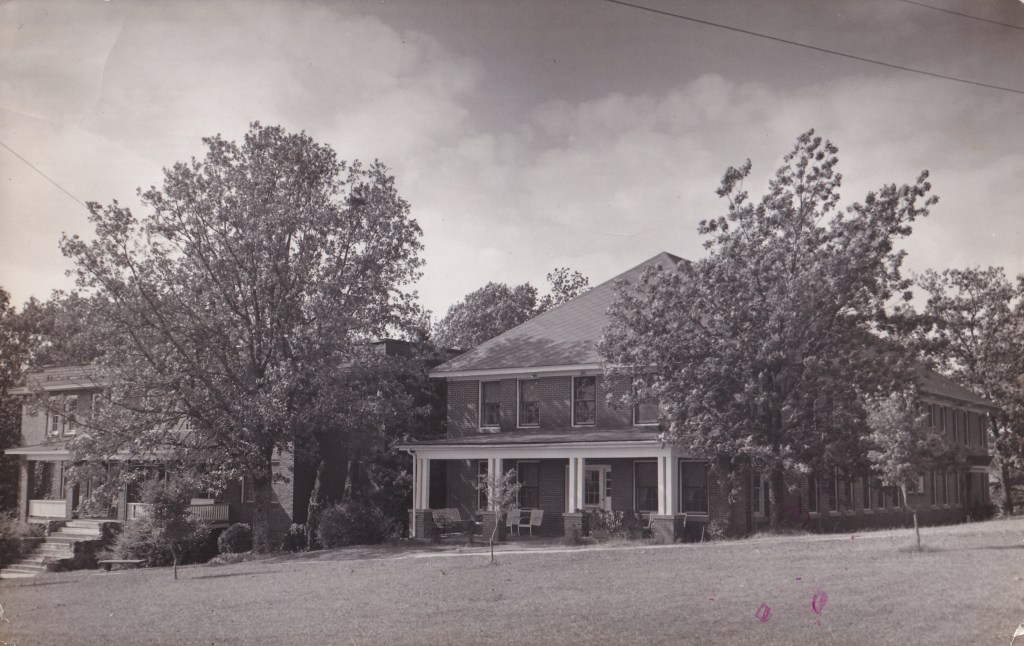
The trustees gathered soon after and formed a building committee which included Dr. A.E. Brown, John Wood, E.L. Collins, Ben F. Neves, and John Roe. Three months later, the plans submitted by Dr. Brown were approved by the board of trustees and construction was to be completed by September 1916 at a cost of $6,000. The new girls’ dorm had 26 rooms which included space for 50 students as well as a dining hall and a kitchen in the basement for the entire school.
Wingo Hall served as the only girl’s dorm until White Hall was constructed in 1937 due to the Jr. College program bringing in more students. Once there were two girls’ dorms, Wingo Hall was called South Hall and White Hall was called North Hall. In 1952 it was decided that South Hall would be named Wingo Hall in honor of “Mother” Wingo who had faithfully served the campus for many years. Dr. Donnan once said of Mother Wingo:
“She came nearest knowing how to live with herself, how to live with the Lord, and how to live with everyone she met of any person I have ever known.”
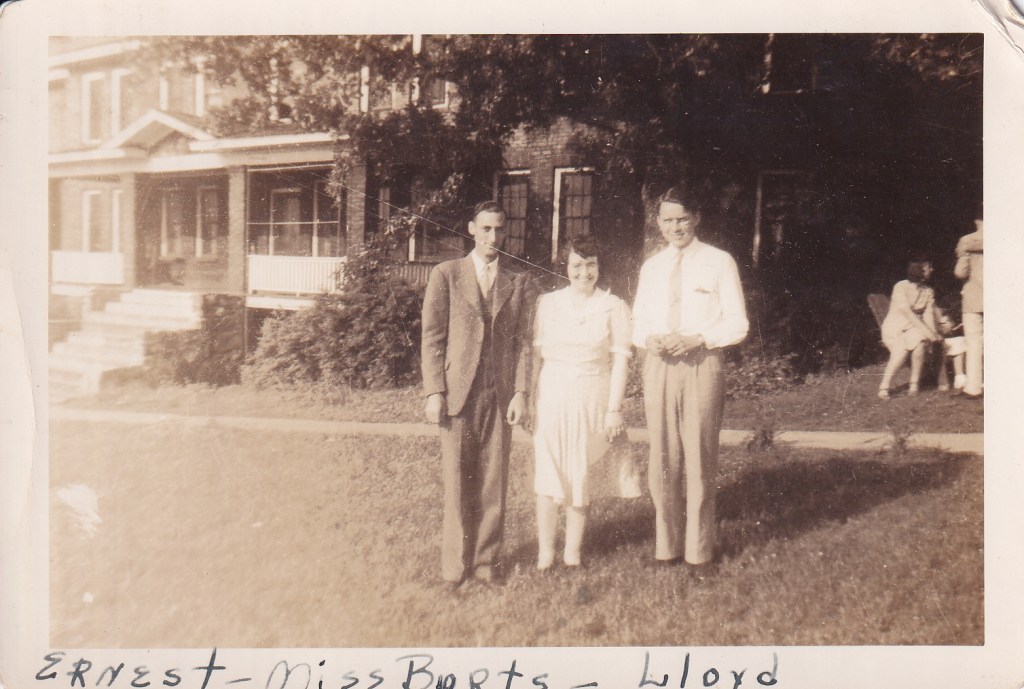
The parlor of Wingo Hall was a gathering place for students. In one school newspaper article, it was referred to as “the dating parlor” where dating students could visit together under the supervision of a chaperone. In the 1930s, brick was added to the second floor and the flooring was redone. In 1951, Mr. and Mrs. Harry McCall donated the funds for the basement of Wingo to be renovated into an assembly room. The dining space was no longer needed since Neves was constructed, so this renovated space in Wingo gave student groups a place to meet.
In the fall of 1963, after 47 years of use, the last students moved out of Wingo Hall. Howard and Simpson were complete and the administration feared that Wingo Hall was a fire hazard to the campus. Mary Louise Spridgeon wrote about the empty building in a November 1963 Skyliner article:
“The wind rattles the window panes and slips through the old dusty hall. It passes room after silent room and curls its way down the rickety stairs. The windows in the rooms are bare and curtainless as they stare out over the campus, like old-timers lost in reminiscing. The floorboards have finished their squealing serenade and have settled down in the lonely silence. Silence, and silence alone, lives there now. All the heavy memories of the past glide in to settle with the layering dust.”
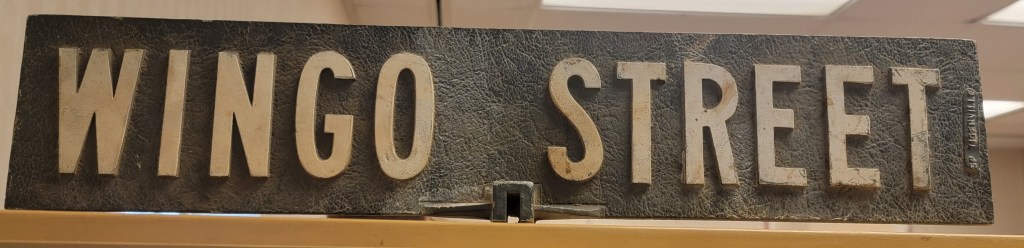
Over the next couple of months, Wingo was slowly taken apart. Two-thirds of the lumber from Wingo was salvaged for other purposes. Some of the wood was used to add on to the maintenance building. The addition provided a place for the school bus, fire truck, an office, a supply room, and a mechanic shop. Today, the spot where Wingo sat between Howard and White Hall is a grass area and parking lot. “Mother” Wingo’s name lives on, though, with Wingo Street.

 From These Roots
Leave a comment