
In 1940, Benjamin Franklin Neves passed away and North Greenville lost one of its founders and most significant supporters. However, even in death, Ben Neves continued to support North Greenville with his legacy. Knowing his heart for the school, his family sold 525 acres of his land to North Greenville for $2,000 less than it was worth. Friends of the school and local churches came together to supply the funds for the land purchase. The trustees were able to sell some of the land to make a profit. Much of the remaining land was cleared for farming. The removed trees provided lumber for the school and the newly cultivated farmland would provide the school with more food than they had previously been able to grow. A few years later, in 1944, The South Carolina Baptist Convention paid off all of North Greenville’s debt. The school, despite WWII, was in one of the best financial positions in its history.
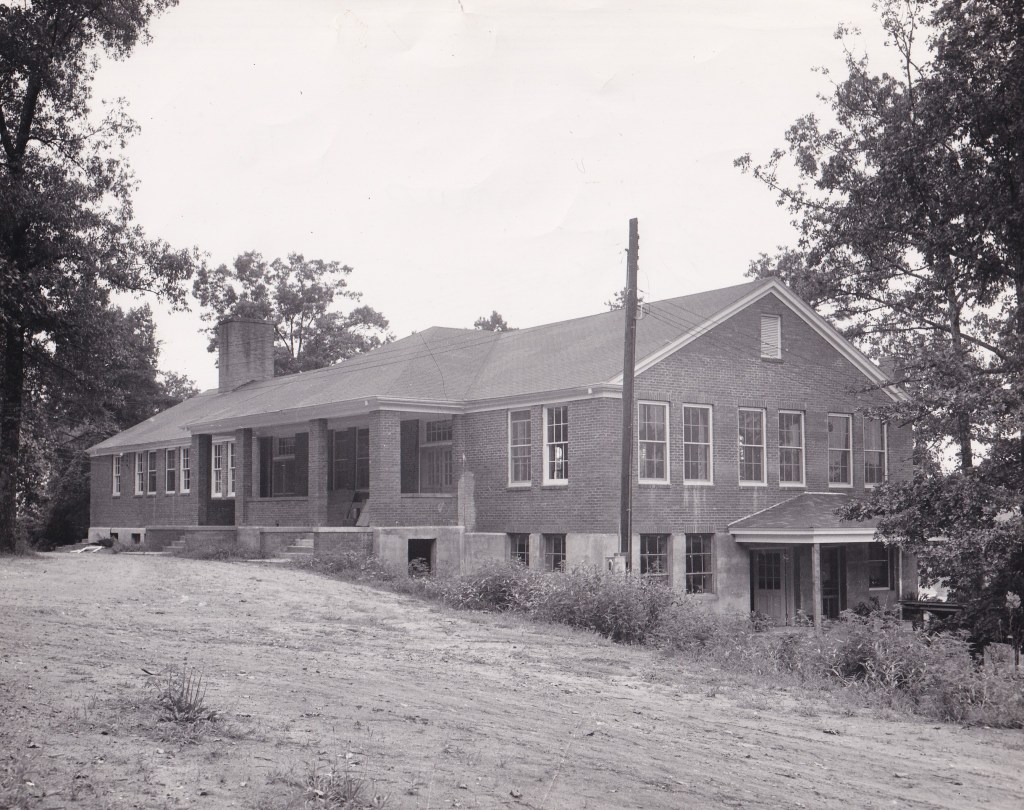
As the Junior College portion of North Greenville continued to grow, the school quickly outgrew the little dining room in the basement of Wingo Hall. By the spring of 1944, the trustees felt good about the school’s financial standing and approved the construction of a new kitchen and dining hall which would also house the school’s new heating system in its basement. The plans for the new building were drawn by J.E. Sirrine and construction began by that summer. Much of the work was done by local carpenters and scholarship students. Lumber from the Neves estate kept materials costs down. By the time it was finished, the building cost around $30,000. The funds for the project came from the State Convention, the North Greenville Baptist Association, and friends of the school. North Greenville was able to construct a new dining hall and kitchen while remaining debt-free.
The new dining hall was built on the hillside behind the administration building and included three levels. The top level contained the dining hall and kitchen. The middle level included storage space, a walk-in freezer, and an apartment for the superintendent of grounds and buildings. The basement level housed the heating system and storage space for farm machinery and equipment. Eventually, a laundry space and carpenter workshop were placed on the bottom floor of Neves. In 1952, the building was officially named “Neves Hall” in honor of Benjamin Neves.
By 1962, the campus once again needed more dining space so Neves Hall underwent its first major renovation. The front of the building was expanded out by 30 feet and ran the full length of the building. This new addition included a small private dining space for about 40 people. Outside of this addition, a large veil wall porch was added. The porch was often used as a set-up area for various event sign-ups and elections. The holes on the porch wall were used to store books and belongings while students were inside dining. In addition to extra dining space, extra living space was also needed. The middle and bottom floors of Neves were converted into dorm space for 30 male students.
In 1973, the school store and post office, which had been located in Foster Student Center, were moved into the second floor of Neves.
The next major renovation of Neves came in 1996 when another addition was added to the front of the building to create more dining space. The seating capacity at this time was doubled from 150 to 300 and windows were placed along the outside walls. Mr. Paul J. and Mrs. Mildred M. Wood of Tigerville, South Carolina funded the second addition. At some point, the bottom floor of Neves was turned into classroom space, a dark room, and an art studio.
When Todd Dining Hall was constructed in 2005, Neves was remodeled into an academic building with faculty offices and classrooms. A storm hit the campus in the summer of 2008 while campers were in a worship service. Thankfully, no one was hurt, but Neves was damaged in the storm and had to be repaired. The last renovation of Neves came in 2019 when a portion of the top floor was converted into “NGU Central” where students can come and get help in one central location. Previously, students had to walk to different locations all over campus to get help with billing, registration, etc.
Recently, a letter was found by a friend of the school, Lenna Smith, while she was out thrift shopping. The letter was written by Dr. Donnan to the daughter of Ben Neves. In this letter, he expresses his appreciation for the Neves family and the good they had done for North Greenville. NGU’s second-oldest building on the central part of campus has had many roles throughout the decades but continues to serve the students in important ways. Hopefully, Neves Hall will stand as a memorial to Benjamin Neves for many more years to come.
If you would like to learn about the history of dining at North Greenville, be on the lookout for an upcoming article in the NGU Vision by Trinity Adams. This post will be updated with the link once it’s available.
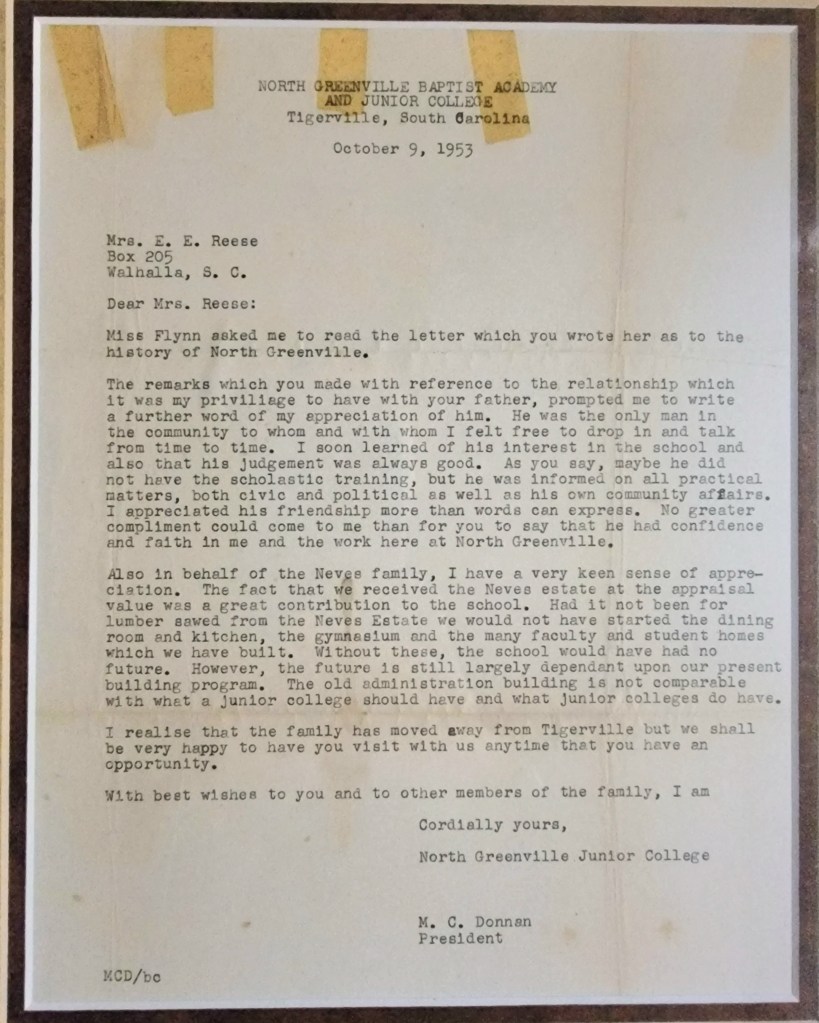
A letter from Dr. Donnan to Ben Neves’s daughter. The letter was found by Lena Fox Smith and donated to the school. 
The early Neves kitchen 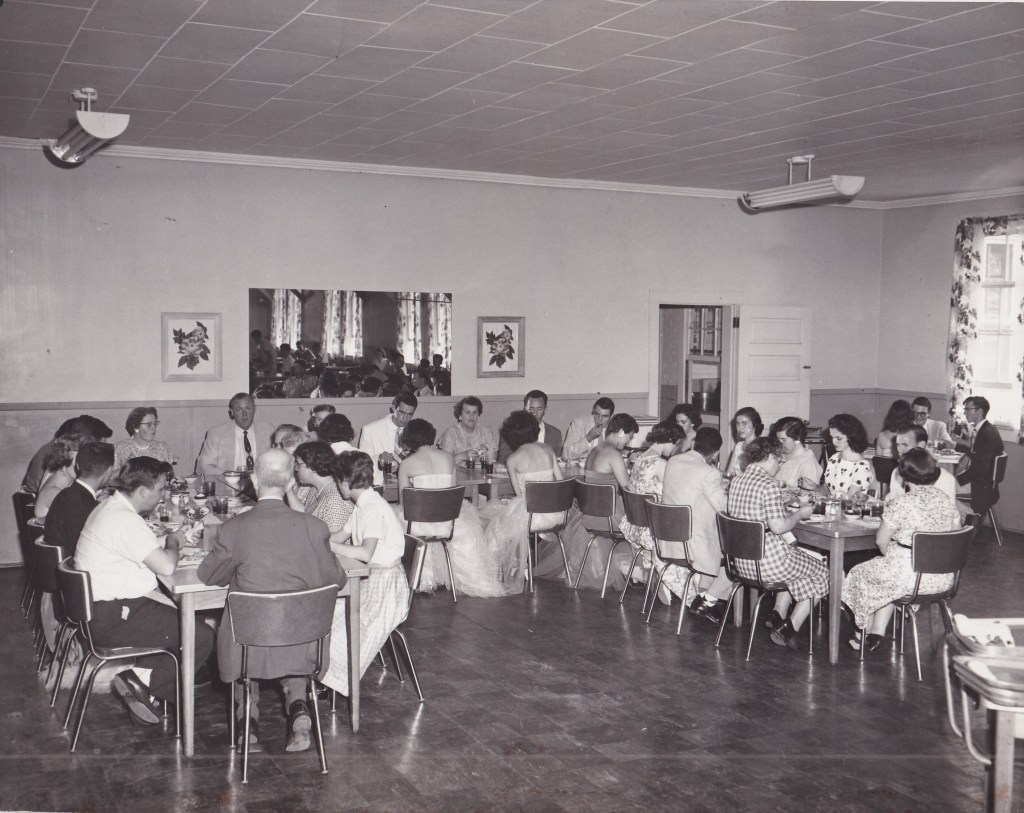
Neves Dining Hall 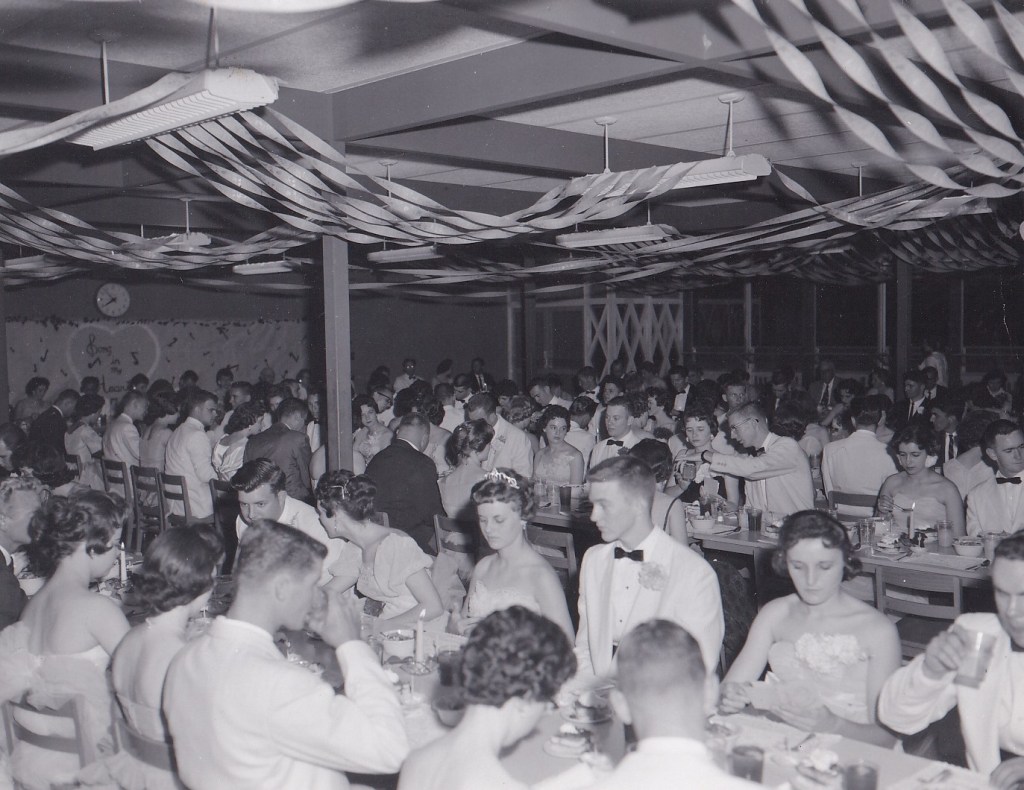
A 1962 special event in Neves 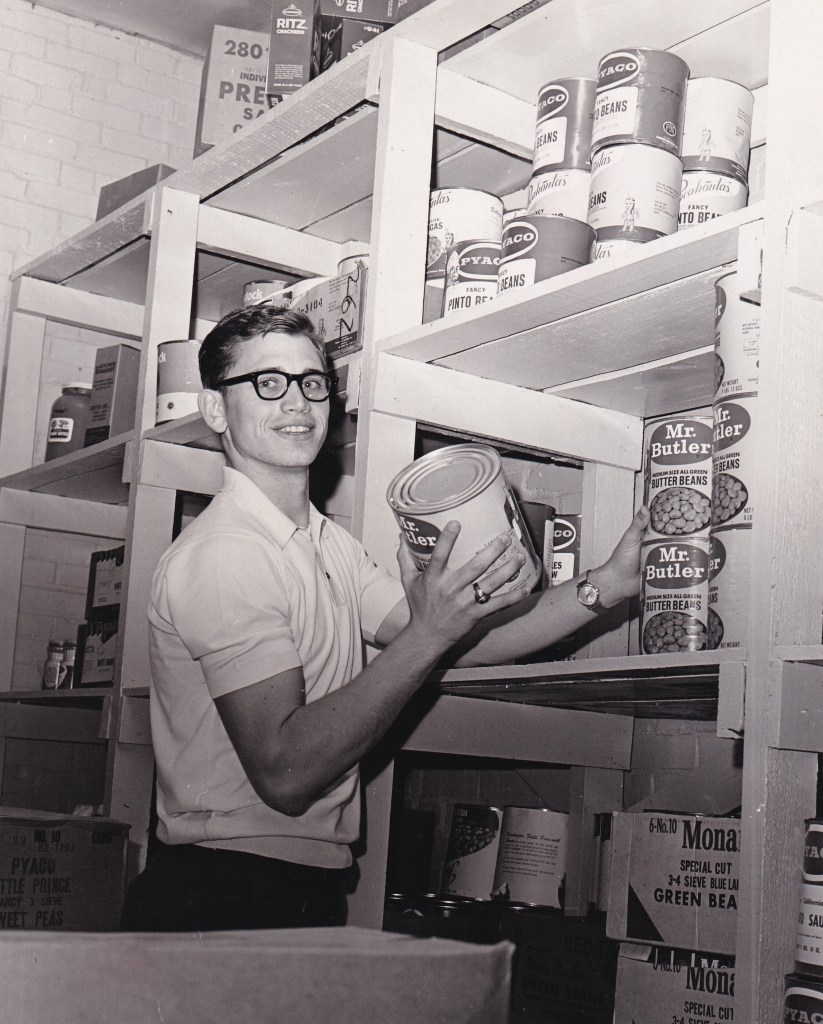
Neves stockroom 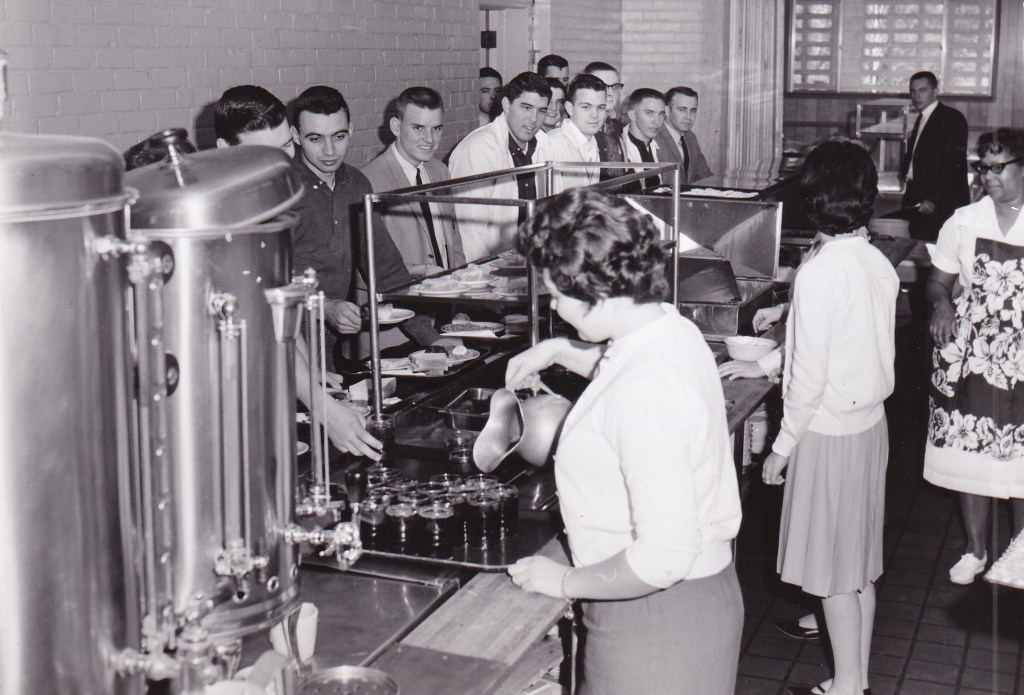
A 1963 view of the serving line in Neves 
1963 serving line 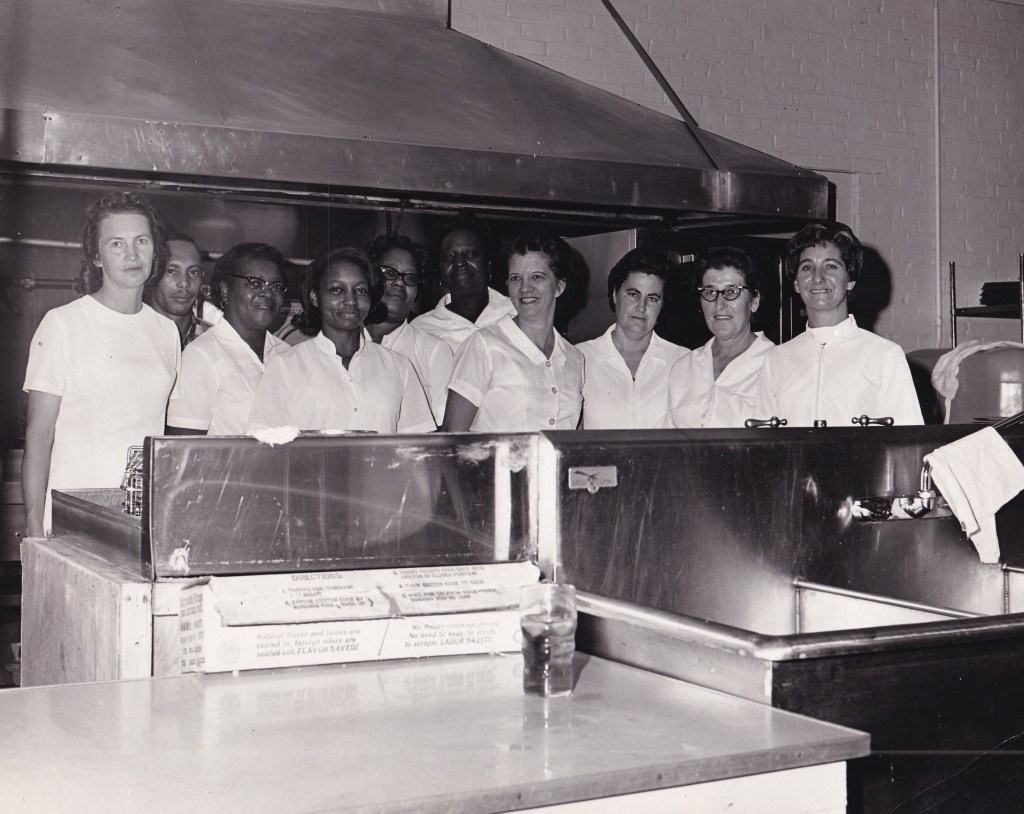
1969 Kitchen Staff 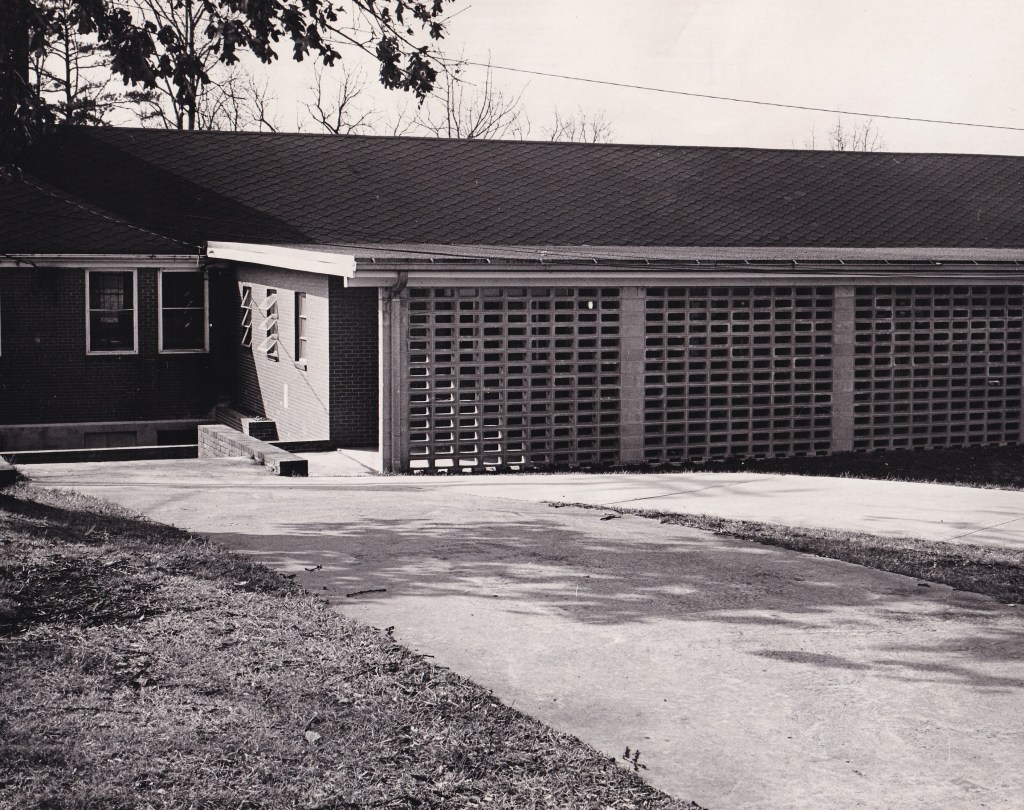
Neves in 1969 after the first addition 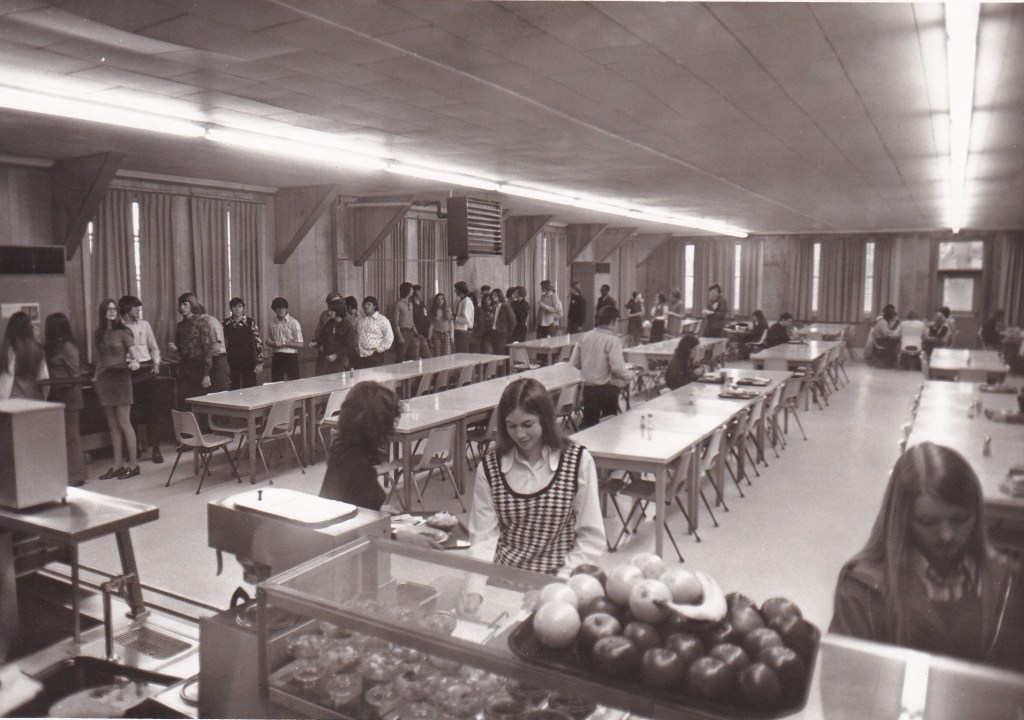
Neves Dining Hall in 1973 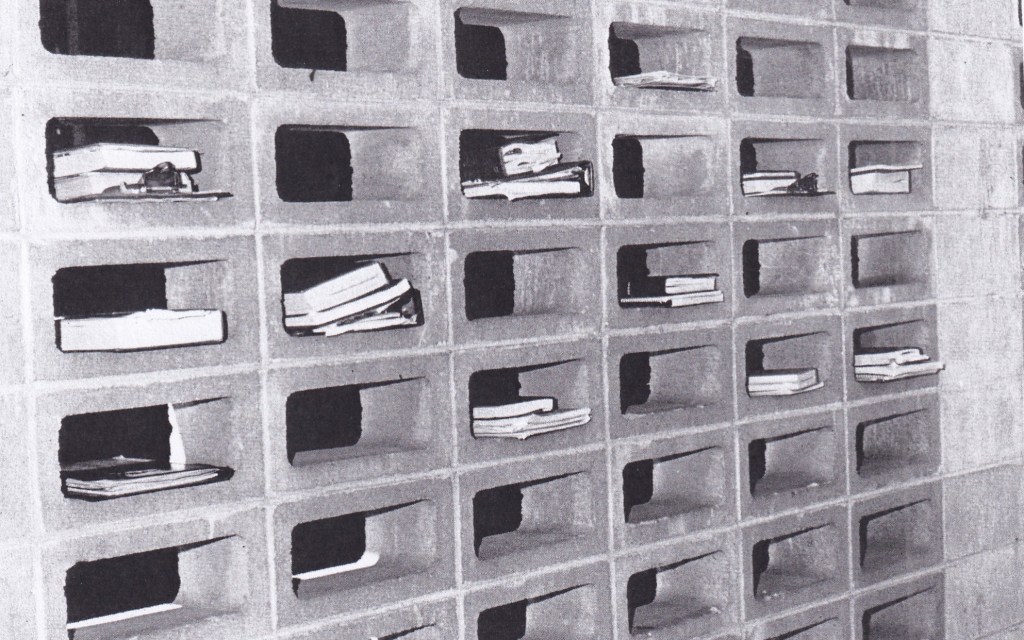
The veiled wall outside of Neves 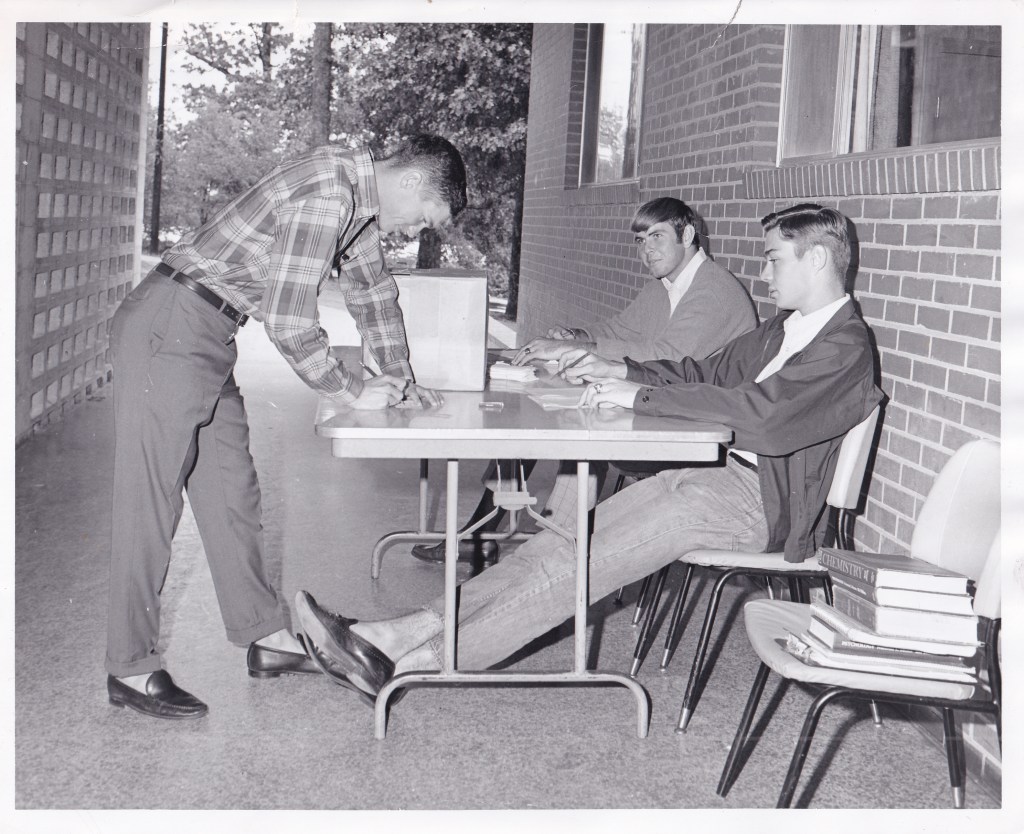
Inside the veiled wall Neves porch in 1969 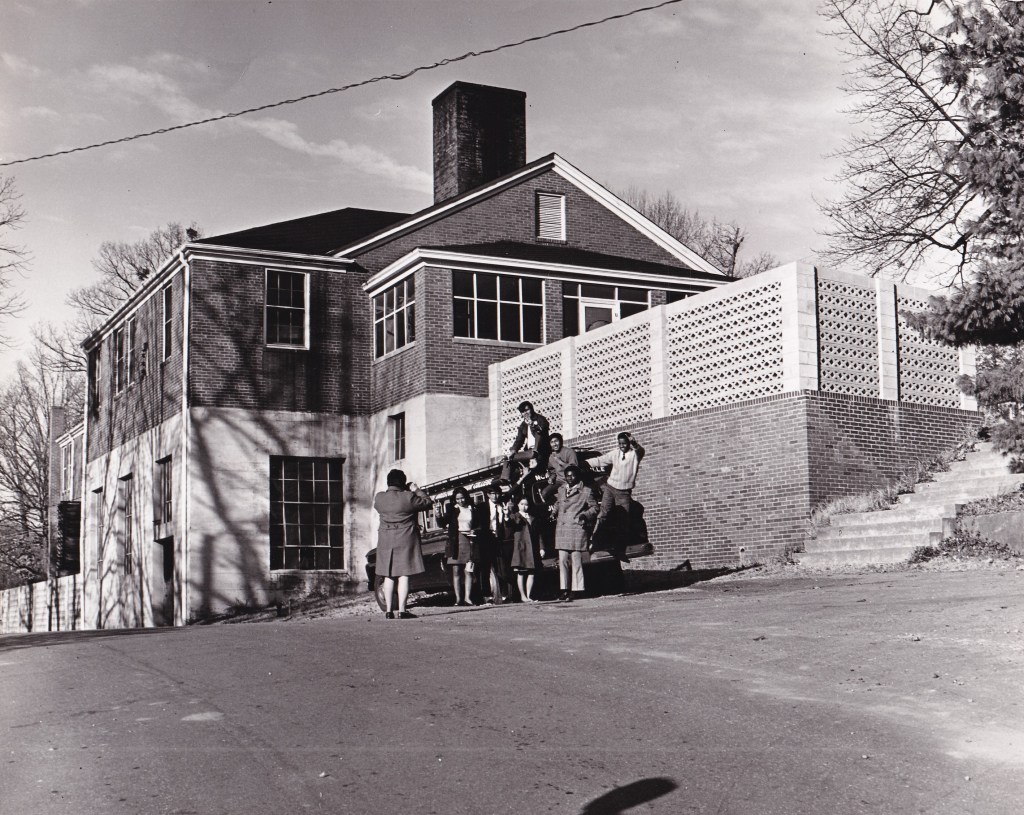
The back of Neves in 1970 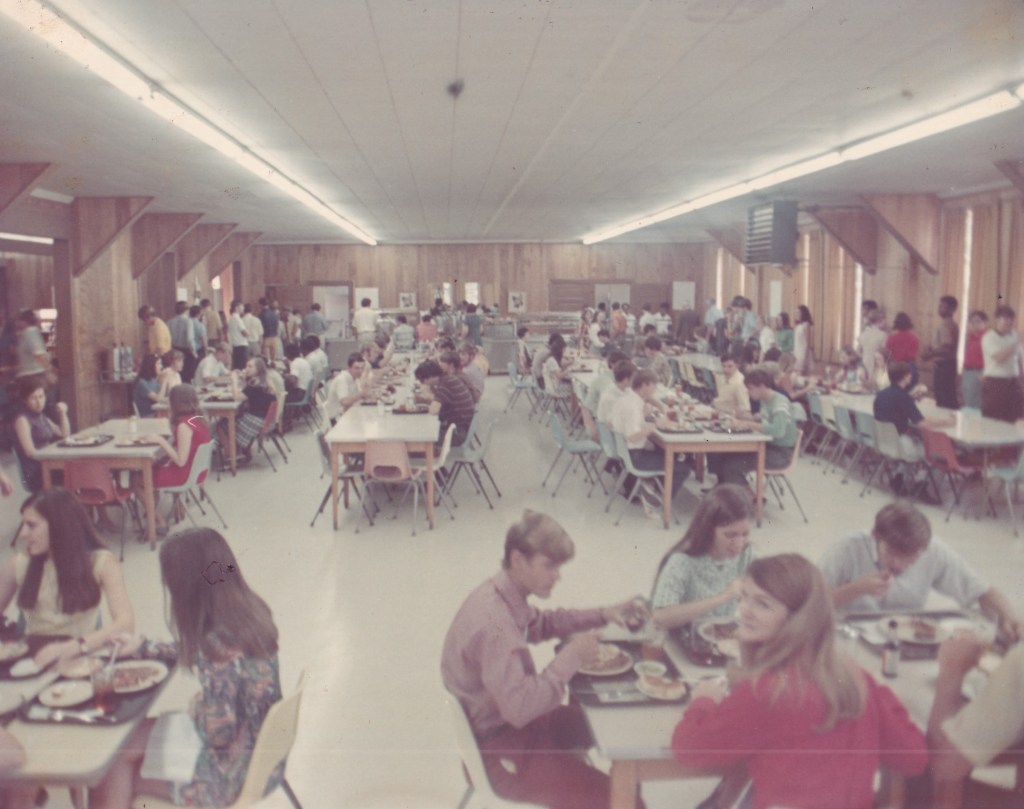
The Neves Dining room in 1972-1973 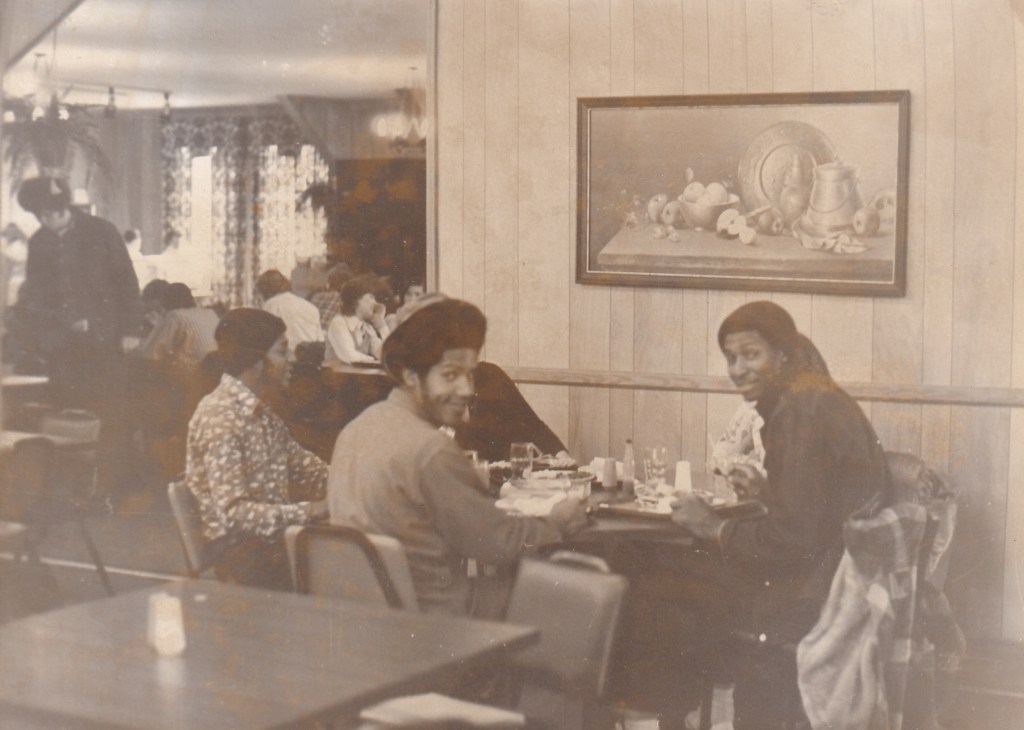
1975 Students in Neves 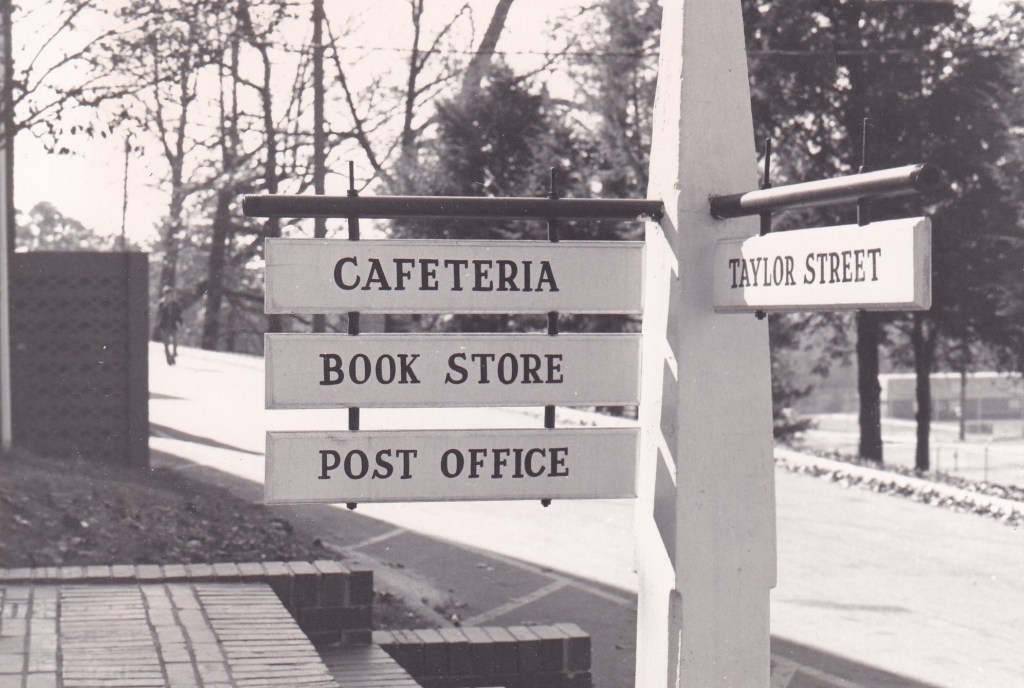
Directional sign behind Neves 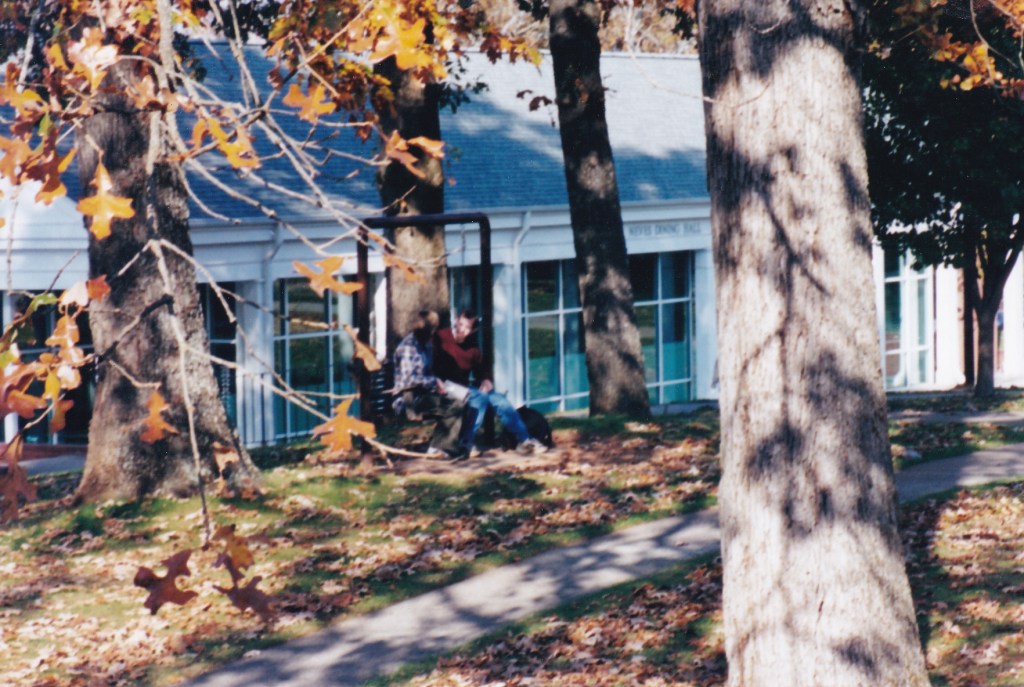
Neves after the 1990s renovations 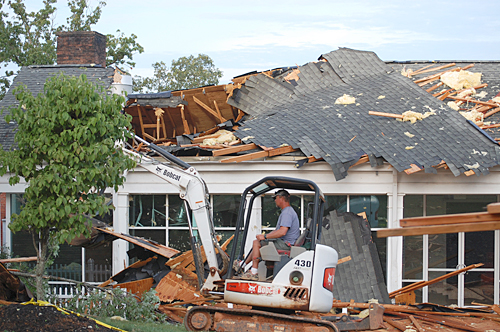
Neves after the storm damage in 2008 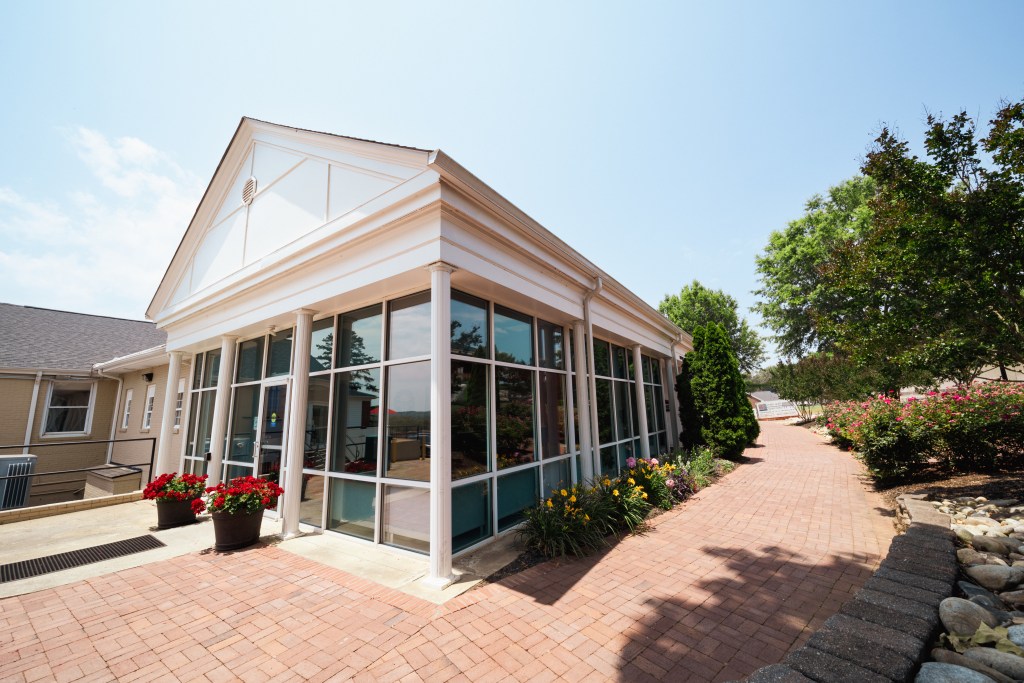
Neves today 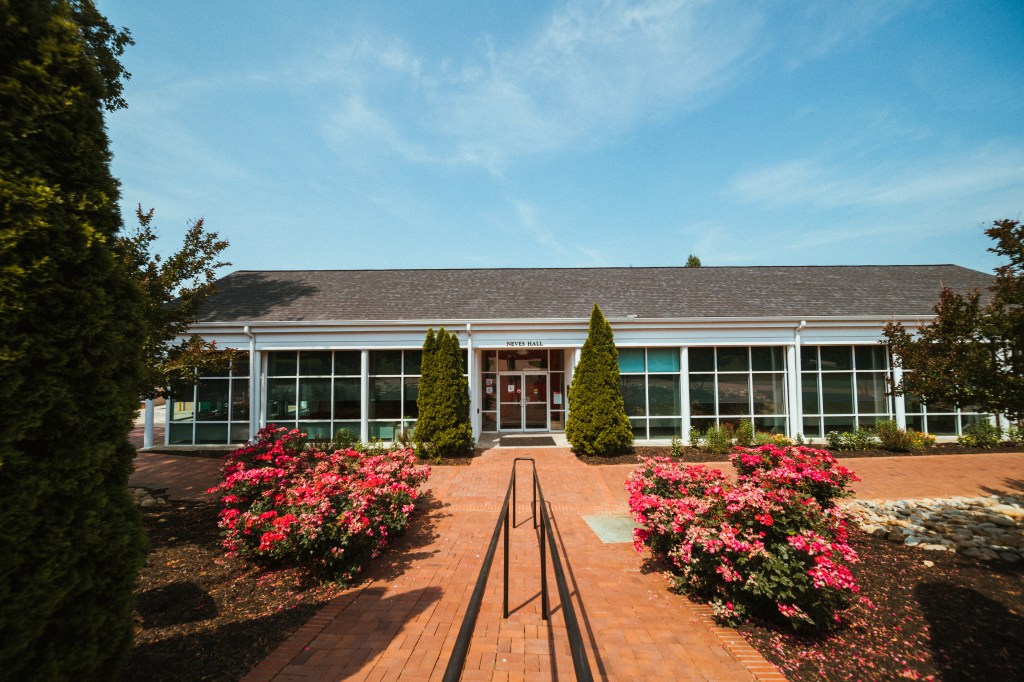
Neves today
 From These Roots
Leave a comment