
“Thirty years is a lot of life, especially so when they have been lived for others. We are indebted to you for many things. That you made these walls sacred by pouring into them a life that is dedicated to the task of lifting the feet of poor struggling youth and placing them in the way of life. Born of such sacrifice, our school will never die. During these many years that you have served among us, we have been made to realize that while you walked with us, you were walking with God. Thank you for your great faith, your belief in prayer, your kind and sympathetic heart that never turned a worthy one from your door.” – Rev. R.L. Pinson’s remarks about Dr. Donnan at the Donnan Administration Building Dedication ceremony.
In 1892, the same year North Greenville was founded, Murphree Claude Donnan was born on January 11th to parents Hugh Donnan and Lula Burnett. Hugh and Lula’s parents were against their marriage. Hugh’s mother was against it because she had dreams of her son becoming a doctor. Lula’s father was against the marriage because Hugh had not settled down yet. So, the couple eloped to Georgia in 1891. That same year, Hugh moved to what is now known as Oklahoma to find work. Lula stayed behind, pregnant, on her parents’ farm. Hugh was successful in finding work in Oklahoma and became a land lawyer where he signed out claims from the United States to settlers who would agree to live there. Once he was settled with work, he sent for Lula to join him. However, Lula’s father would not let Lula and baby Murphree go because the trip was long and very dangerous. Eventually, Hugh asked Lula for a divorce since she would not join him in Oklahoma. Lula told Hugh that he could have the divorce if that was what he wanted, but that she would never marry anyone else. Shortly after he moved to Oklahoma, Hugh’s father and two sisters joined him there.
Dr. Donnan grew up on his maternal grandparents’ farm which was located between Greer and Pelham. His grandparents were devout Christians, and he grew up going with them and his mother to Pleasant Grove Baptist Church. As soon as he was old enough, he was put to work on the farm with his two youngest uncles. By the time he was eleven, his youngest uncle had started his own farm, so Dr. Donnan became a fulltime plow hand on his grandfather’s farm. The main crop for the family was cotton, but they also grew wheat, corn, potatoes, and a sorghum patch for syrup. In addition to crops, they also raised cows for milk and butter and chickens for eggs. Lula would take the crops, milk, eggs, and butter into Pelham, and eventually to Victor Mill in Greer, to sell or exchange for items that could not be grown on the farm.
As was typical in the days of Dr. Donnan’s childhood, the only education available for most rural kids was a one teacher school that only met from December to March. Dr. Donnan attended until he was about sixteen years old and then he quit school to focus on his farming. By the time he was twenty-two, Dr. Donnan owned a thirty-five-acre farm and was doing well. However, it was around this same time that he felt God calling him into Christian service. So, the next year, Dr. Donnan entered the eighth grade at Spartan Academy in Lyman, South Carolina. He attended Spartan Academy for three years with a short interruption in 1918 while he served in WWI.
After finishing the tenth grade at Spartan Academy, Dr. Donnan enrolled at Furman University. He graduated from Furman in 1924 and entered the Southern Baptist Seminary in Louisville, Kentucky in the fall of that year. While he was in school at Furman and the Southern Baptist Seminary, Dr. Donnan rented his farm to a tenant and came home during the summers to work his cotton crop. Doing this enabled him to pay his way through school without any aid.
On August 4, 1924, just before he left for Kentucky, Dr. Donnan married Ernestine Hawkins. Ernestine grew up in the Pleasant Hill community and attended Spartan Academy before graduating from Winthrop with a teacher’s certificate. The couple was married in a small ceremony held at Holly Springs Baptist Church with Rev. Orr as the officiating minister. After the wedding, they went to the mountains of North Carolina for their honeymoon. On August 16, 1926, the couple welcomed their first child into the world while living in Louisville. They named their first son Murphree Yates Donnan. The Donnans would go on to have two more children. Their daughter, Lois Elizabeth, was born on June 1, 1930, and their second son, Hugh Hawkins, was born on December 28, 1933.
Dr. Donnan graduated from Southern Baptist Seminary with a Th.M. in 1928. That same year, he accepted a position as principal of North Greenville Baptist Academy. Ernestine’s brother, Ansel Hawkins, was a prominent attorney and alumnus of North Greenville who suggested Dr. Donnan to the trustees during their search for the next principal. Dr. Donnan later wrote of the job offer, “In the Spring of 1928, as we were finishing our work at the Southern Baptist Seminary in Louisville, Kentucky and praying that the Lord would open a field of service, a telegram came from the trustees asking that I accept the place as principal of the academy. I had not solicited the place; in fact, I had not given a thought to any type of schoolwork. At the age of twenty-three I had entered the eighth grade at Spartan Academy and was very grateful for having had the privilege of attending a Baptist academy. Without making a study of the facts as to the future of North Greenville, I accepted the place believing and trusting that the Lord was leading.”
When Dr. Donnan first stepped foot on the North Greenville campus, there were only three buildings- the main administration building, a girl’s dorm, and a boy’s dorm. He had arrived just in time to attend the 1928 graduation ceremony of the largest class North Greenville had seen. However, the younger grades were much smaller and the outlook for fall enrollment was not good. Mountain View High School was now in place as a part of a system of high schools and it seemed like North Greenville was no longer needed. The other South Carolina Baptist academies had either already closed or were in the process of closing. North Greenville only remained open through the support of the Home Mission Board and the North Greenville Baptist Association. However, the 1928-1929 school year would be the last year the Home Mission Board sent their $500 in aid to the school. In addition to this, North Greenville was $16,000 in debt. As soon as he came, he was bombarded with questions regarding the future of North Greenville. With this bleak outlook, Dr. Donnan went to Beauford Crain, an alumnus and trustee of the school, and told him that people kept asking him if the school was even going to open again. Beauford Crain replied, “Brother Donnan, don’t let that bother you. The school has been dying ever since I knew it.”
The first year at North Greenville was a difficult one. The buildings were all in need of paint and repair. The water, heat, and electrical systems were very insufficient and the two roads that led to North Greenville remained unpaved. The telephone was also on a party line system that was usually not working. Dr. Donnan credited the faculty for keeping the school running during this time. “Without Mr. W.D. Mitchell, teacher of science and dean of boys, I would have been almost helpless until I had time to get acquainted with the entire system. Also, as has been true throughout the history of the institution, we were blessed with a good faculty. All teachers were efficient, cooperative, loyal, sacrificial, and true to what is known as the North Greenville spirit. After having worked with this group for a school year, also having received much free advice from Mother Essie Taylor which was appreciated, I felt better prepared for the next session.”
Dr. Donnan’s background in farming made him uniquely capable of leading North Greenville in the time he came. Most of the funds from the North Greenville Baptist Association had to be put towards the school debt so funds were very tight. The school farm, originally purchased by the Home Mission Board, was the only way the school had to feed the students and faculty. The first building project Dr. Donnan undertook on campus was to build a barn for a dairy farm. He persuaded people to pitch in and donate materials and the barn that would have normally cost the school $2,000 ended up costing less than $300. Dr. Donnan took on the dairy project as a hobby and this allowed the school to also have milk and butter. A former North Greenville Baptist Academy student and writer for the Greenville News, James W. Crocker, later wrote, “In selecting Dr. Donnan as principal of N.G.B.A the trustees wisely selected his qualifications, a farmer, teacher, and minister. In his early days, he was in direct charge of the farming operations and spent many days in the fields. His versatility and physical energy have meant the difference between continuing the school or closing it.”
The school farm and dairy also helped Dr. Donnan accomplish something that had long been a priority of the school- providing students with an education despite their ability to pay. Students were able to earn scholarship money by working on the farm and dairy. For two years, through an agreement Dr. Donnan made with Furman University, North Greenville provided Furman with dairy products in exchange for scholarships for North Greenville alumni. These students would wake up early, milk the cows, and then drive to Furman with the milk and dairy products. They would then attend class before driving back to North Greenville.
In addition to having no funds for food, the faculty had to be hired on the understanding that they may not always get paid on time. Salaries frequently had to be cut or delayed. At times, Dr. Donnan and the faculty had to go without pay because the money was just not there. Dr. Donnan was able to support his family through his farm in Greer. Throughout his time at North Greenville, Dr. Donnan continued to rent his land to sharecroppers which supplemented his meager income from the school.
Some of the first campus problems tackled by Dr. Donnan were those of water, heat, and electricity. He set out to get a good electrical system in place by asking The Duke Power Company to run a line out to the school. Duke said they would do so, but it would cost $12,000-$15,000. Dr. Donnan tried to get surrounding landowners to pitch in for the line, but they turned him down because they felt Duke should pay for their own line. Eventually, Duke agreed to run the line to the school if Dr. Donnan could sell twenty stoves for $120 each and get the three cotton gins in the area to switch to electricity. By 1930, Dr. Donnan had sold enough stoves and convinced the cotton gin owners to switch over to electricity. The campus finally had reliable electricity. To tackle the water problem, Dr. Donnan built a pond and eventually had three deep wells and a storage tank built. The heat problem was solved in 1933 when Dr. Donnan built a central heating system himself using used parts.
The 1930s were a decade of family change for Dr. Donnan. His mother, who was living with him in Tigerville at the time, passed away in 1935. Then, in the late 1930s, Dr. Donnan received a letter from his father’s family who he had not heard from since he was a child. His first cousin, a daughter of his Aunt Estelle, wrote to tell Dr. Donnan that his father, Hugh, had remarried many years ago and moved to Colorado. Hugh had two daughters through this marriage named LaRue and LaVern. LaRue and LaVern were now adults who lived in New York City and had never been told they had an older brother in South Carolina. LaRue and LaVern’s mother, Lilla, had passed away in a car accident in 1928 and Hugh was now married to a woman named Elsie. Hugh and Elsie had a daughter together named Eileen who was born in 1930, making her the same age as Dr. Donnan’s daughter, Lois.
A few months after he received the letter from his cousin, Dr. Donnan went to a school convention near New York. While he was there, he went to the office where his half-sister, LaRue, worked. He went up to her and asked, “Are you Miss LaRue Donnan?” When she confirmed who she was, Dr. Donnan told her, “My name is Murphree Donnan, I am from South Carolina, and I happen to be your brother!” LaRue contacted LaVern, who worked a few blocks away, and she came to meet her previously unknown brother. Dr. Donnan looked so much like their father that they did not doubt who he was and excitedly got to know him during his visit. The sisters, along with LaVern’s husband, came down to Tigerville a few months later to meet Dr. Donnan’s family. While they were in town, they planned a trip to Colorado for Dr. Donnan to reconnect with the father he’d never known.
In the summer of 1939, the Donnans stopped by Ponce City, Oklahoma to meet some of Dr. Donnan’s cousins before heading to Colorado. Once in Colorado, Dr. Donnan met his father, Hugh, for the first time. Dr. Donnan and his family spent a week in Colorado getting to know Hugh, Elsie, and their daughter, Eileen. Hugh was in failing health by that time and would die just a few months later on December 22, 1939.
The year Dr. Donnan came to North Greenville, the North Greenville trustees started considering the idea of making North Greenville into a junior college. Dr. Donnan agreed with the idea that, in order to survive, North Greenville needed to become more than just a high school. Despite the South Carolina Baptist Convention and the Home Mission Board being against the idea, Dr. Donnan and the trustees continued to plan for the change. By 1934, the trustees tasked Dr. Donnan and Dr. Sam Lawton with working out the details of adding college work to the school. On April 28, 1934, Dr. Lawton presented to the board his report and recommendation that the school become a junior college. The trustees unanimously agreed and decided to start the first year of college work that fall. In 1935, Dr. Donnan convinced the trustees to add on the second year of college work and to change the school charter to reflect a new name for the school. Dr. Donnan had officially become President of North Greenville Baptist Academy and Junior College, making him the last principal and the first president.
In 1932, Dr. Donnan began a program of building and repair on campus that would last throughout his career. The first need that Dr. Donnan identified was the need the school had for a large gathering space. The school could not even afford the nails for this project, but Dobson Lumber Company in Greer agreed to send all of the needed materials with the understanding that the school would pay once funds were available. The labor for the project was provided by local churches and an auditorium for the school was built onto the back of the second administration building.
In 1936, the Donnans built a brick house on a lot of land they owned right next to the college. The house sat next to where Crain Science Building is today and had mountain views from most of its windows at the time. The Donnans lived in this house until Dr. Donnan retired and sold the property and the home to North Greenville.
As the college portion of North Greenville grew, so did the need for additional buildings. In 1937, a new girl’s dorm was built on campus which would eventually be named White Hall. Again, Dr. Donnan was able to enlist the help of friends and neighbors to provide the materials and labor needed. By the early 1940s, it was clear the school needed new dining facilities. The student population had outgrown the dining hall under the older girl’s dorm, Wingo Hall. In 1944, Neves Hall was built, giving the school a new kitchen and sufficient dining space.
Before the 1946 meeting of the South Carolina Baptist Convention (SCBC), the North Greenville board of trustees had asked the General Board of the SCBC for funds to build a gymnasium on campus, but the General Board declined the request. During the convention meeting, the Chairman of the Board of Trustees appealed the decision and a pastor moved that $20,000 be allocated to North Greenville from the emergency fund. When others argued that it was not an emergency, Dr. Donnan took to the floor and stated, “If we had had a building and it had burned last night, you would consider that an emergency. But since we have never had a physical education building, you say we have no emergency.” Dr. Donnan’s argument prevailed, the motion passed, and the funds were given to the school. However, after receiving the money, the trustees decided that faculty homes were a more pressing need, and three faculty homes were built instead. The gymnasium was pushed back to 1950 when alumni and friends raised the needed funds for its construction.
Dr. Donnan never pursued a degree after his master’s degree. However, in 1948, Furman University awarded Dr. Donnan with an honorary Doctor of Divinity degree. He was now officially Dr. Donnan and would carry this title throughout the rest of his career.
The late 1940s and early 1950s brought a unique opportunity to Dr. Donnan and North Greenville. WWII veterans were coming home from war with opportunities like the G.I. Bill, but many of them had not finished high school. North Greenville was able to secure some former army barracks and convert them into apartments for these veterans and their families. These veterans were able to come to North Greenville, take enough high school courses to be able to pass the high school exam, and then immediately start work on their first two years of college. After graduating from North Greenville, many of these men transferred to schools like Furman University and Carson Newman College to complete a bachelor’s degree in order to become pastors.
The small-scale dairy work on campus had been productive, so in 1951, a larger dairy farm was built on Chinquapin Road behind campus. The new dairy farm included a hay shed, a cattle barn, a milking barn, and a house for the dairy manager. The new dairy farm continued the work of giving students scholarship opportunities on campus while providing the school with milk. In that same year, a roughly three-acre lake was built just north of campus and stocked with fish to provide recreational activities for the community.
By 1953, it was clear the school needed a new administration building if the school was going to become accredited. While some believed the current administration building should be renovated and expanded to save money, Dr. Donnan pushed for a brand-new fire-proof building. He stated to the North Greenville Baptist Association, “I can readily see that our physical equipment has little appeal to the average high school graduate. I realize that the physical plant does not mean everything, but outmoded, inadequate buildings, in addition to having no appeal to prospective students, may be an economic drain on the financial budget. For example, I drove the same car for about ten years. After it got to the point where I had to park it on a hill so that I could be pushed off, then buy a battery, starter, spark plugs, and a multitude of other things to get me home, it ceased to be a source of economy. Although I had to pay all the money I had, then sign an agreement to pay fifty dollars per month, it was still a matter of economy to ride in a new car. Now I am not advocating that we go into debt but having spent twenty years patching and repairing old buildings and paying high insurance rates, I am beginning to visualize something of the economic advantage of new fire-proof buildings. In addition to the up-keep and insurance, the matter of saving in heating, lighting, and cleaning is important. In addition to the economy, I had just rather ride in a new car.”
The trustees ended up agreeing with Dr. Donnan and in 1954, work began to build a new administration building. Before the new building could be built, the old one had to be torn down. The demolition was to be completed by Dr. Donnan, several students, and Mr. Reece, the school carpenter. Once the work got to the point where dynamite was needed, Dr. Donnan took the lead. When they set off the first fuses, the students ran as fast as they could for cover, but Dr. Donnan, according to a 1954 article in The Skyliner, “just walked away as unconcerned as a frog on a log.” The new administration building was built in the same location as the old one and was opened for classes in the fall of 1955. The dedication service was held in 1957, and the building was officially named “The Donnan Administration Building” in honor of Dr. Donnan. The new administration building with its improved library led to North Greenville Junior College being fully accredited by the Southern Association of Colleges for the first time in 1957.
Dr. Donnan led the school in major growth throughout the 1950s. In 1957, Turner Auditorium was built because the student body could no longer fit in the old auditorium at one time. There was also a need for an additional men’s dormitory on campus so Dr. Donnan drew up some preliminary plans for a motel type building that would later be named Lawton Hall. Dr. Donnan also directed the construction himself, which began in 1959 and was completed in 1960.
With the major growth of the college in the 1950s came the end of the academy. The Southern Association of Schools and Colleges had recommended that the high school courses end. By this time, most of the students taking high school courses were not doing so to finish a degree. They were non-traditional students taking enough courses so that they could pass the high school exam. So, in 1957, North Greenville graduated the last of its high school students, making Dr. Donnan the last principal of the academy.
On November 12, 1959, Dr. Donnan was elected as President of the South Carolina Baptist Convention. When he was nominated, he humbly rose and suggested that in the interest of efficiency and timesaving, he would withdraw and let the other nominee have it without the necessity of a vote. Cries of “No!” ensued, a vote was conducted despite Dr. Donnan’s suggestion, and he was elected to the position. Unfortunately, Dr. Donnan was unable to attend the convention the next year. He had been suffering from double vision for several weeks, and his doctor advised him not to travel.
From the time the Donnans came to Tigerville, they attended Tigerville Baptist Church. Tigerville Baptist was originally named North Greenville Baptist Church and began as a campus church and was officially organized in 1918 so students would not have to go a mile down the road to Tyger Baptist Church. For many decades, most students, faculty, and staff at North Greenville attended Tigerville Baptist Church. The church met in the school’s auditorium until 1948 when the first church building was completed. On Christmas Eve, 1960, disaster struck when the church building caught fire and was completely destroyed. Dr. Donnan was the church treasurer at the time and became a member of the new building committee. A groundbreaking took place in July 1962, and the first service was held in the new building on February 24, 1963.
The last of the building projects Dr. Donnan undertook while president were the Crain Science Building and Simpson Hall in 1961. The Crain Science Building was a needed addition to the campus in order to maintain accreditation. Simpson Hall replaced Wingo Hall due to Dr. Donnan’s continued desire to replace the older buildings with fire-proof designs.
In January 1962, Dr. Donnan submitted a request to be relieved of his duties as president. The trustees accepted with “much reluctance and regret” and his last day was set for August 15, 1962. The trustees also voted at this meeting to name Dr. Donnan President-emeritus at his retirement. Later that year, the trustees asked Dr. Donnan to continue working for North Greenville as the director of development for a short time after he stepped down as president. He agreed and kept the position until January 1964. While serving as the director of development, Dr. Donnan again oversaw construction on campus with the completion of Howard Hall.
In 1963, the trustees voted and approved for the name of North Greenville to be changed to “Donnan College” to honor Dr. Donnan. They even submitted the request to the South Carolina Baptist Convention. When Dr. Donnan found out about the request, he asked the trustees not to change the name of the school. So, the trustees rescinded their request and the school remained North Greenville Junior College.
Dr. Donnan, throughout this time, still owned his farm in the Pleasant Grove community. However, in 1960, he was forced to sell the farm to The Greenville-Spartanburg Airport. He took the money from the sale and purchased a smaller farm in the Fairview community of Greer where they also built a new house. In 1963, Dr. Donnan and Mrs. Donnan moved into their new home in Greer. During his retirement years, Dr. Donnan kept busy with gardening and raising cattle.
Dr. Murphree Claude Donnan passed away at the age of eighty-four on August 1, 1976. He is buried in the Tigerville Baptist Church cemetery where his gravestone faces the school to which he dedicated his entire career. His daughter, Lois, wrote about her father after his death, “His relationship with his family was one of warmth and love, for he was not a self-centered person but was always concerned with the needs of others. His love for his family, college students, and North Greenville College could not be expressed in words.”
Dr. Donnan’s motto at North Greenville was, “Keep busy, Work! Work! Work!” and it is a motto he exemplified throughout his life. He never shied away from work, and it was his hardworking personality that God used to save North Greenville and to help the school grow. From working the farm and dairy himself, overseeing and pitching in with building construction, and working well past the age when most people would have retired, Dr. Donnan showed his students what it meant to work hard. Through it all, he remained humble and devoted to God. He once told a school official, “With our increased responsibilities, we must remember to increase our praying.” In 1995, Dr. Donnan was once again honored by the school when one of the main campus roads was named “Donnan Boulevard”.
“For North Greenville Junior College, and for all the young people who pass through its doors, the dreams of one man are still being fulfilled. The quality of the man who dreamed them is shown in the fact that he always rejoiced in what others have done to aid North Greenville and make here a great Christian college just as much as he did in those things, he himself was able to do. Let me conclude this look at a man who did what he did because he was who he was by recalling a recollection of many times seeing him stand out there on the hill in front of the administration building. Not knowing he was observed he would gaze for long periods across the valley upon Glassy Mountain. I have wondered if he was testing his faith to see if he could move that mountain (for in his lifetime by faith he did indeed move many a mountain). Or was he being reminded of wherein his strength lay? ‘I will lift up mine eyes unto the hills from whence cometh my help; my help cometh from the Lord who made heaven and earth.’ A man may not be a giant among men but let him use his capacities as honestly and faithful as did President M.C. Donnan of North Greenville and countless individuals made better because of him will consider him truly great.” – Rev. Dr. Lloyd Batson
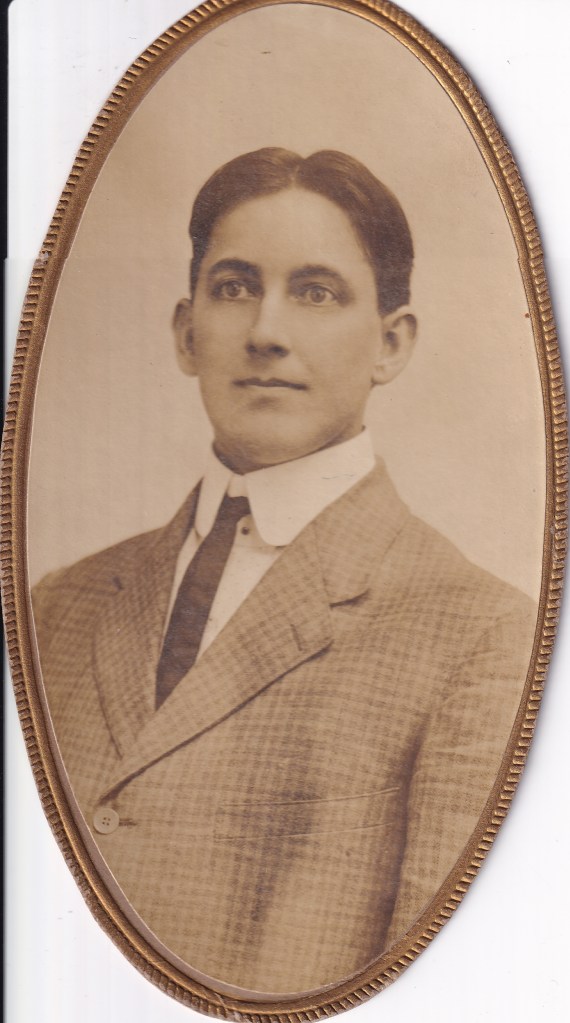
A Young Dr. Donnan 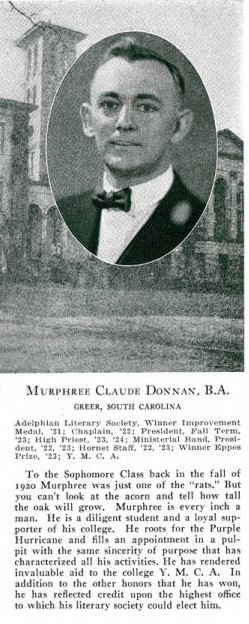
Dr. Donnan’s 1924 Senior Yearbook Page from Furman University 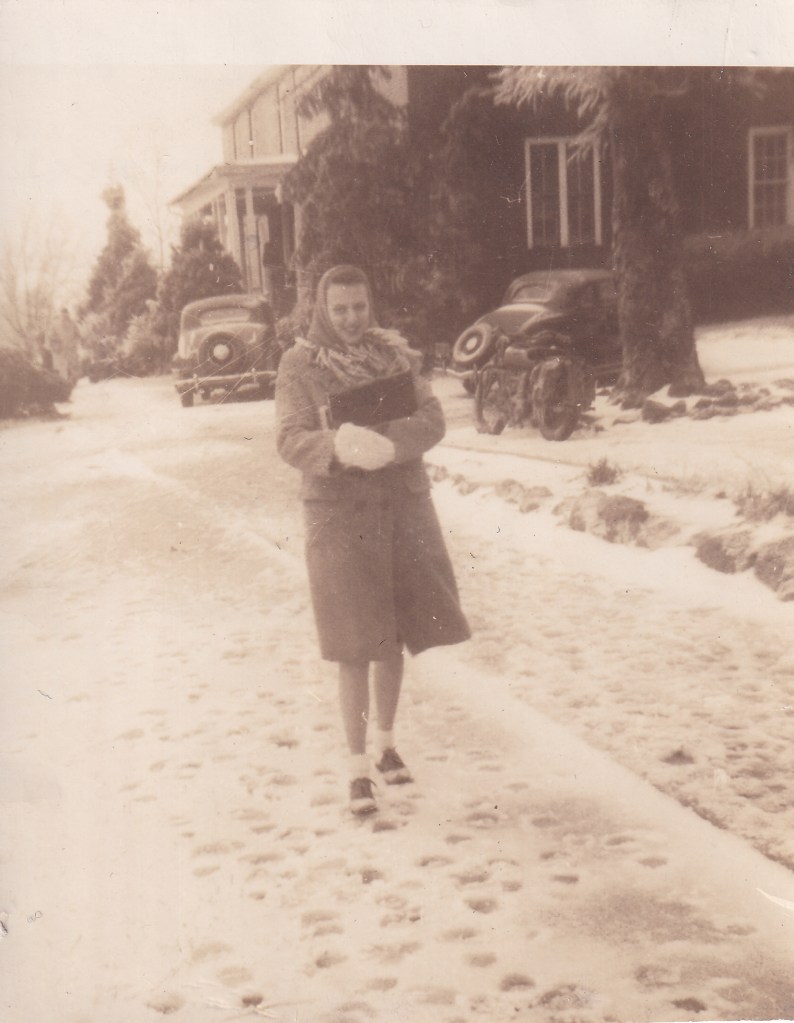
Ernestine Hawkins Donnan 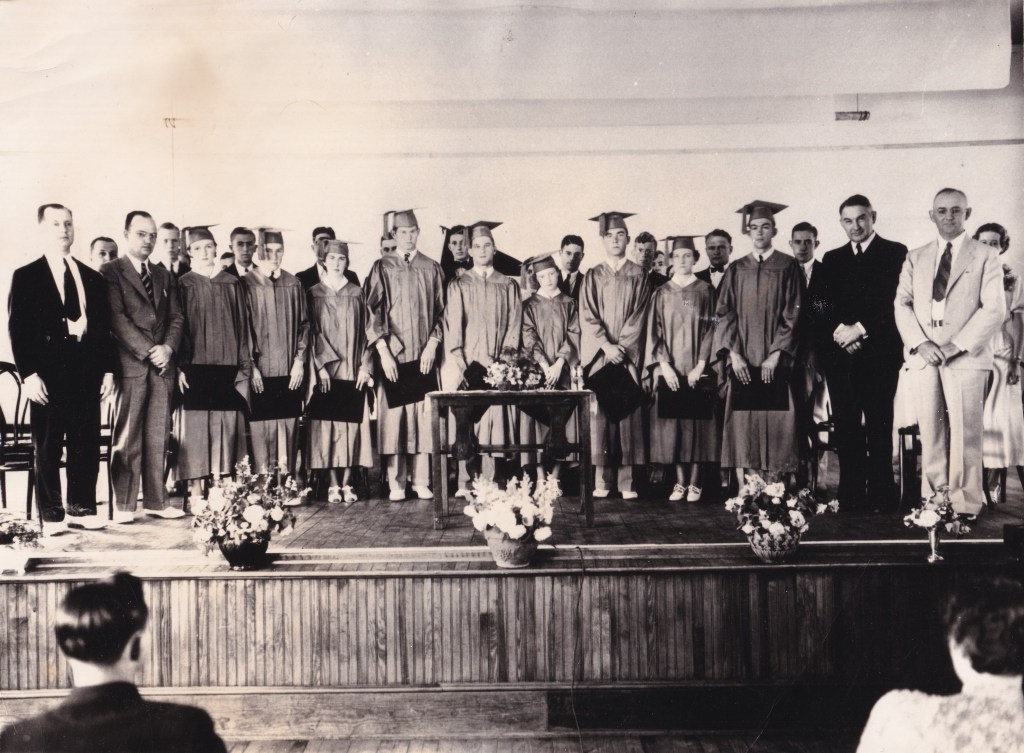
Dr. Donnan with the first graduating class form North Greenville Junior College in 1936 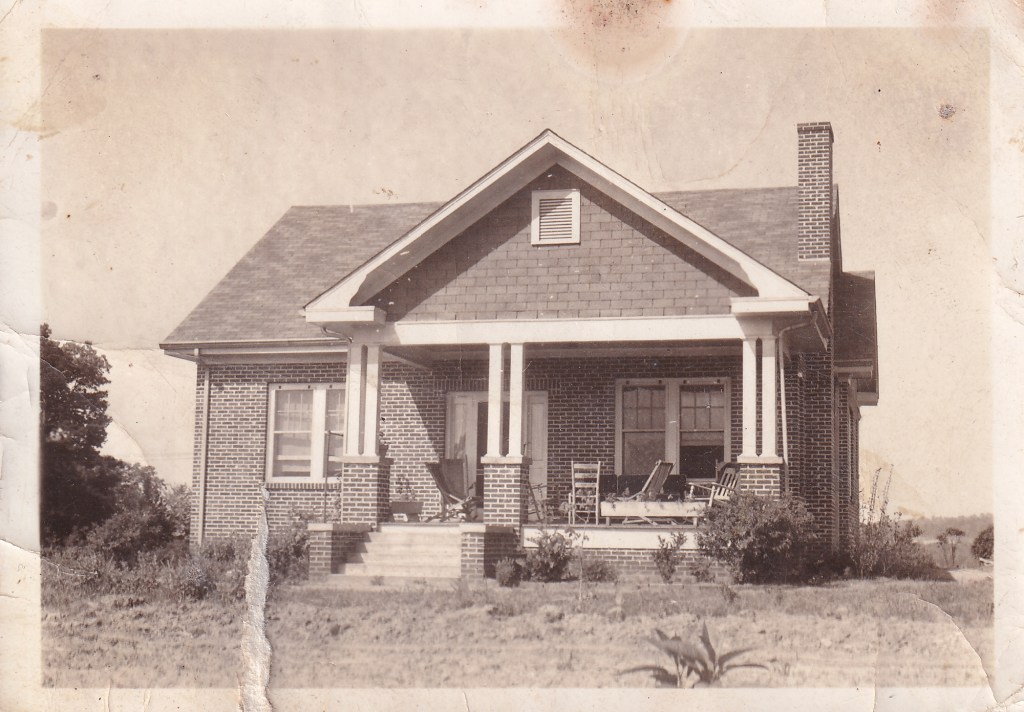
The Donnan Home at North Greenville 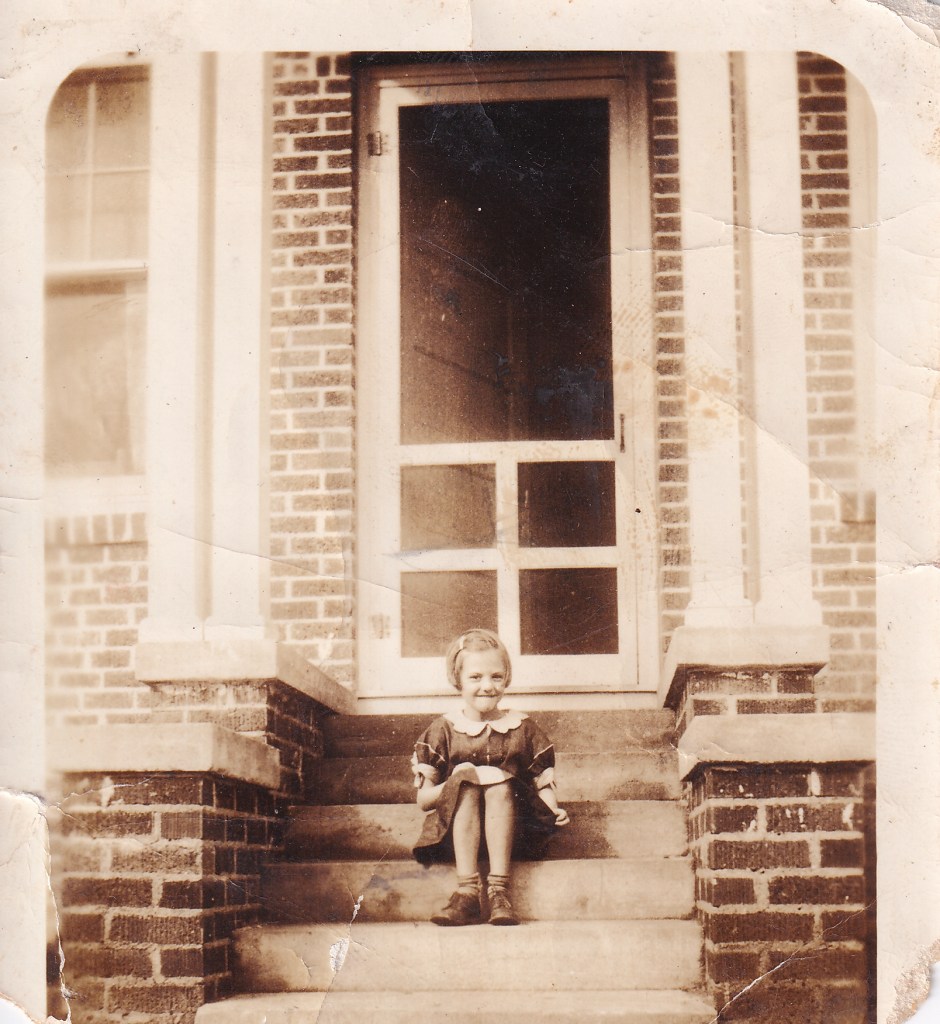
Lois Donnan on her front porch 
The Donnan Children- Yates, Lois, and Hugh 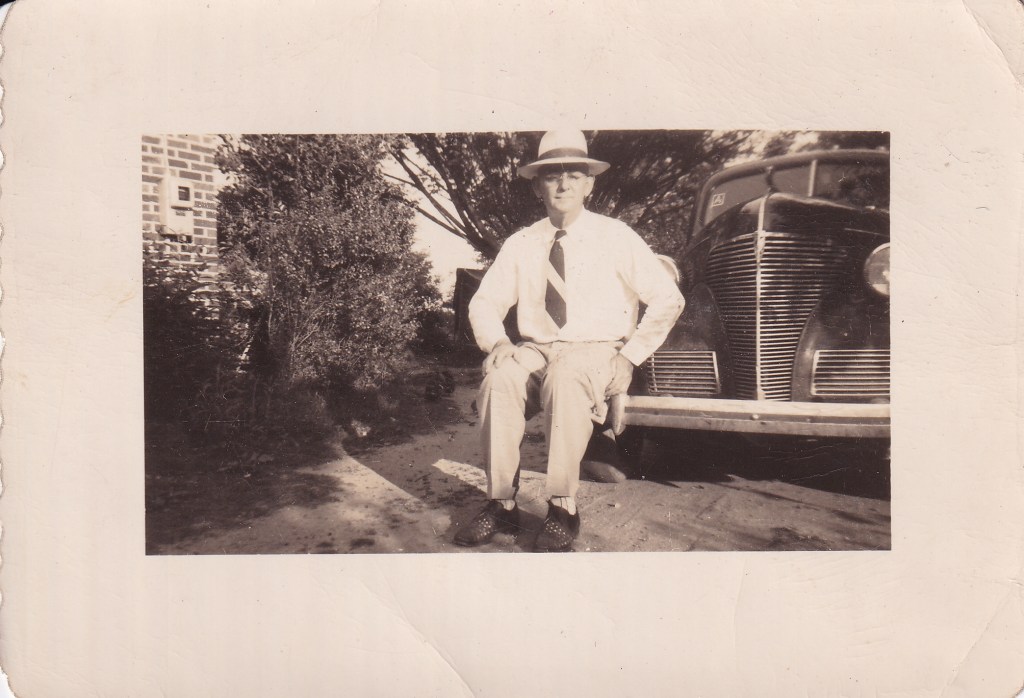
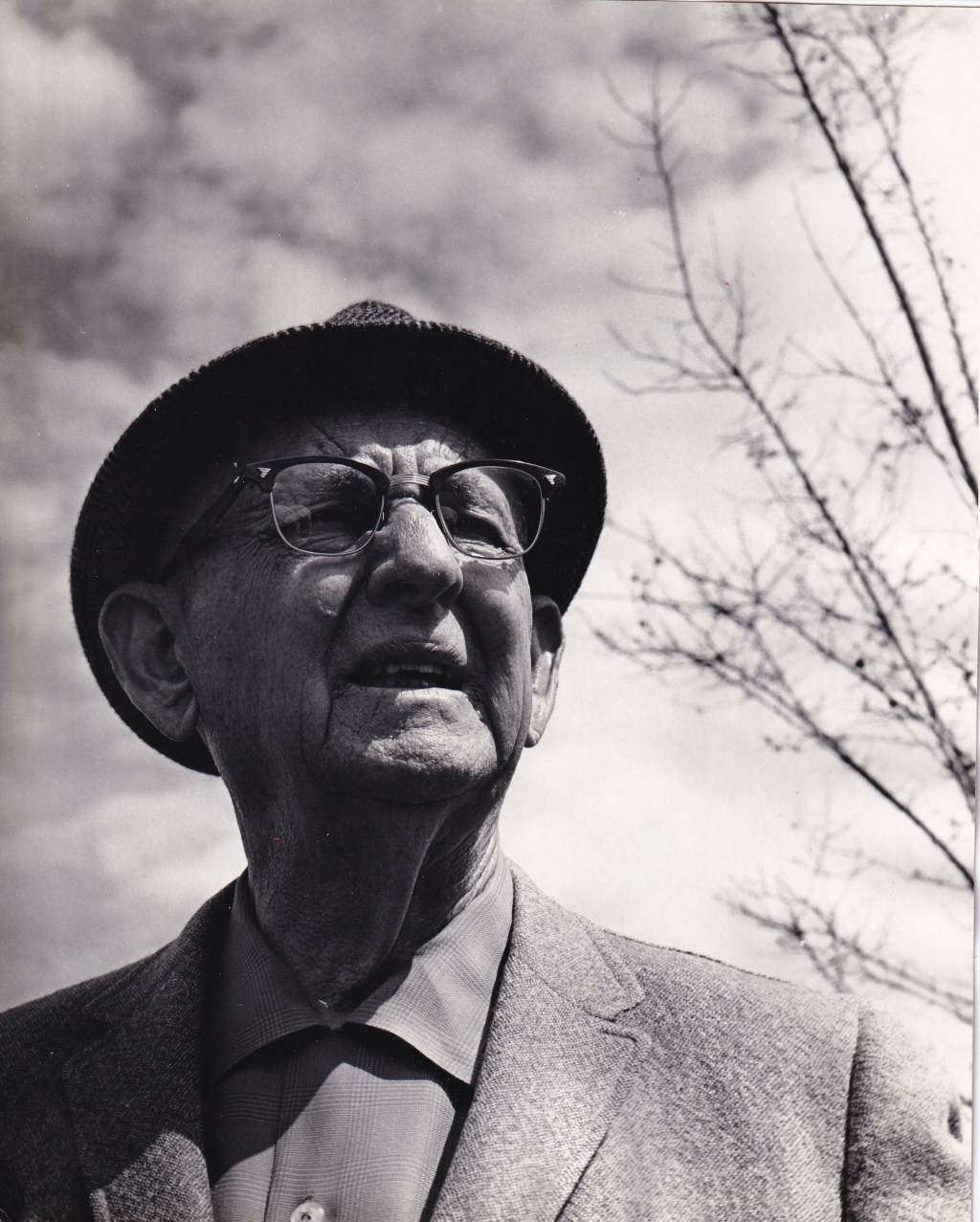
Dr. Donnan 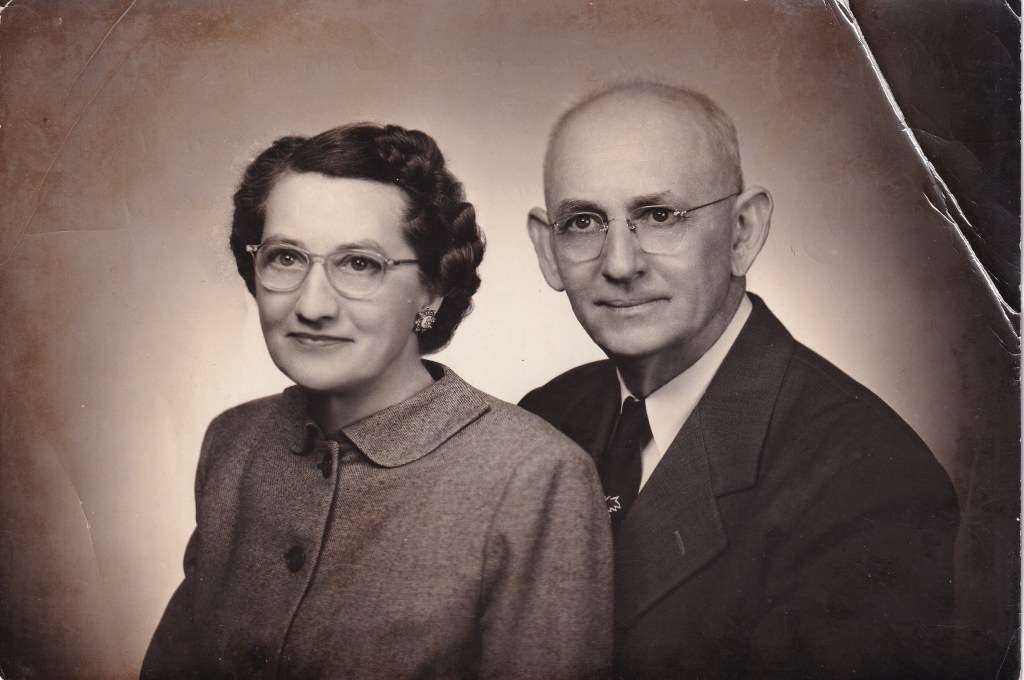
Dr. Donnan and Mrs. Ernestine Donnan 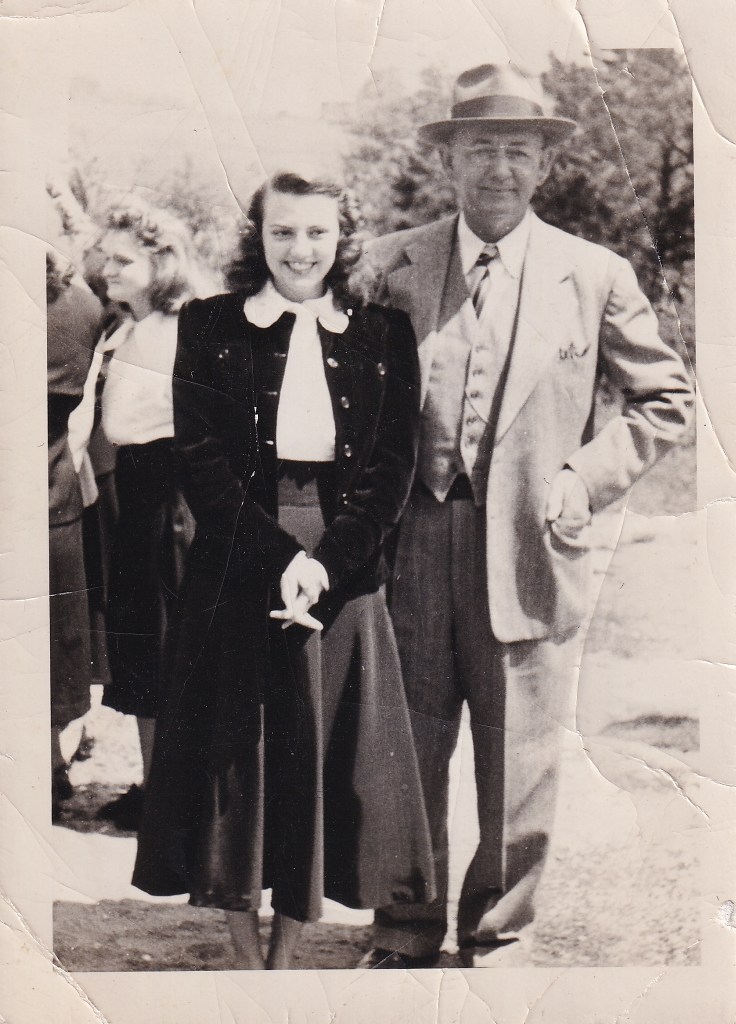
Dr. Donnan with Lois 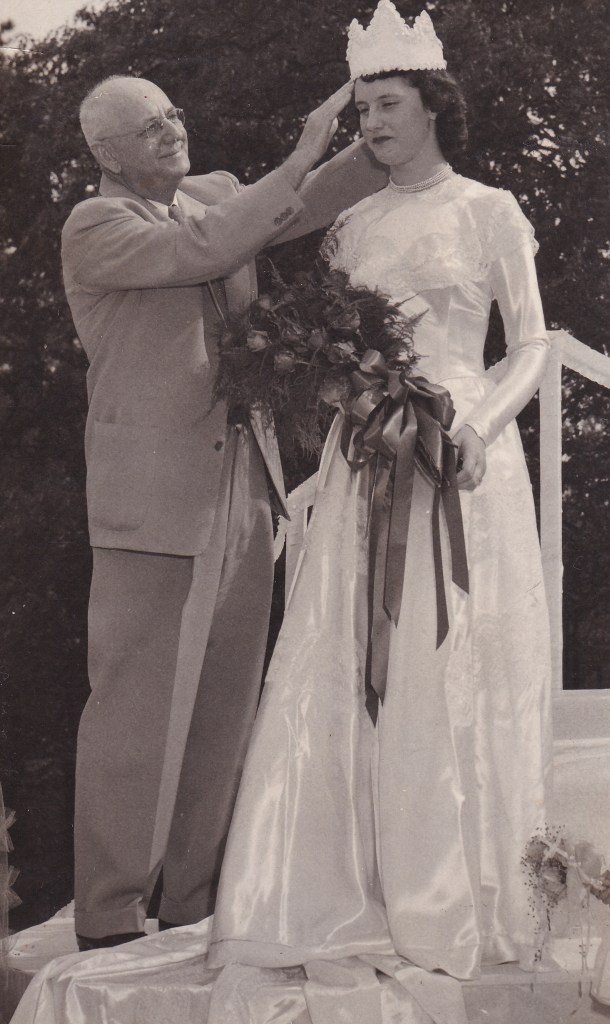
Dr. Donnan crowning the 1954 May Queen- June Plyler 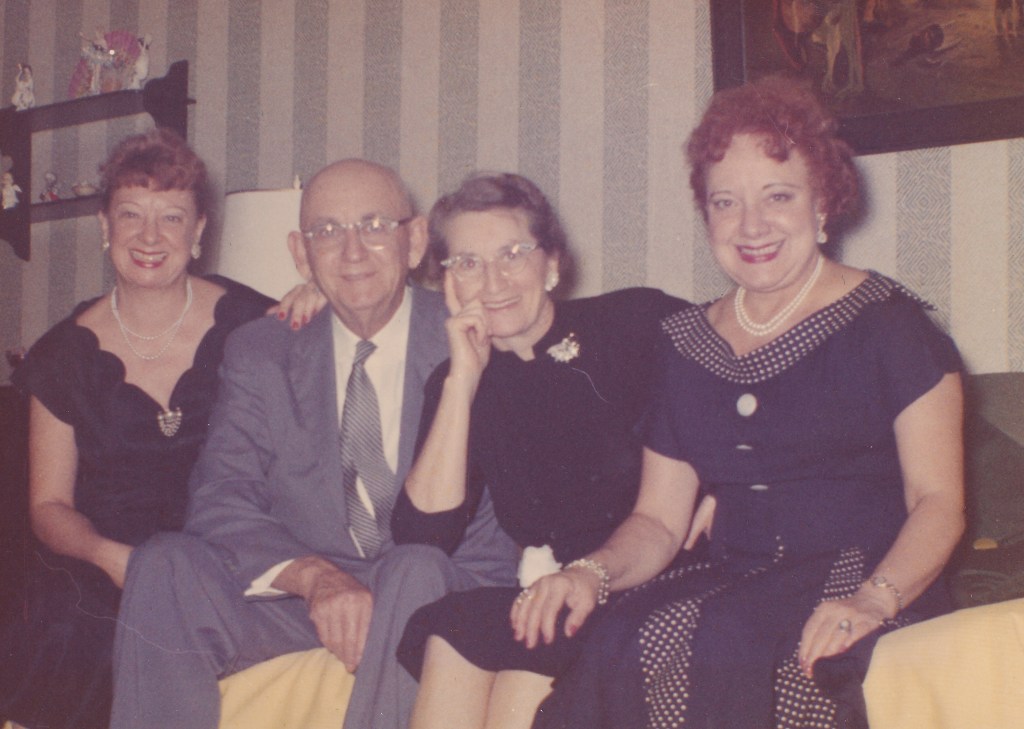
Dr. Donnan and Ernestine Donnan with Dr. Donnan’s half-sisters, LaRue and LaVerne 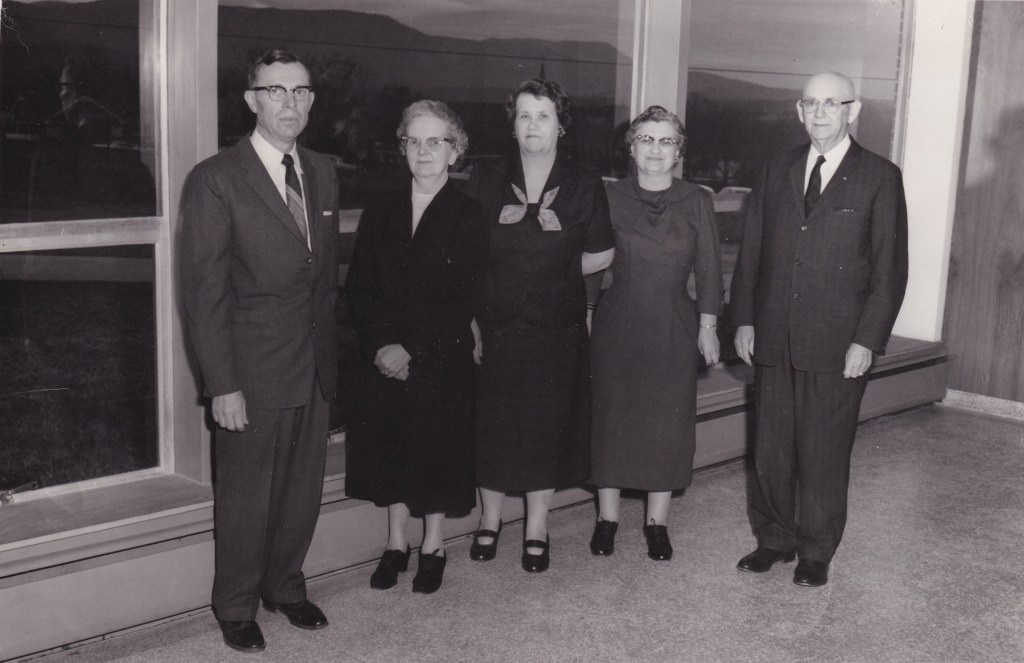
Dr. Donnan with some of his long-serving faculty and staff- Fess Blackwell, Harlee Cooper, Glennie Cook Dill, and Elsie Tuttle 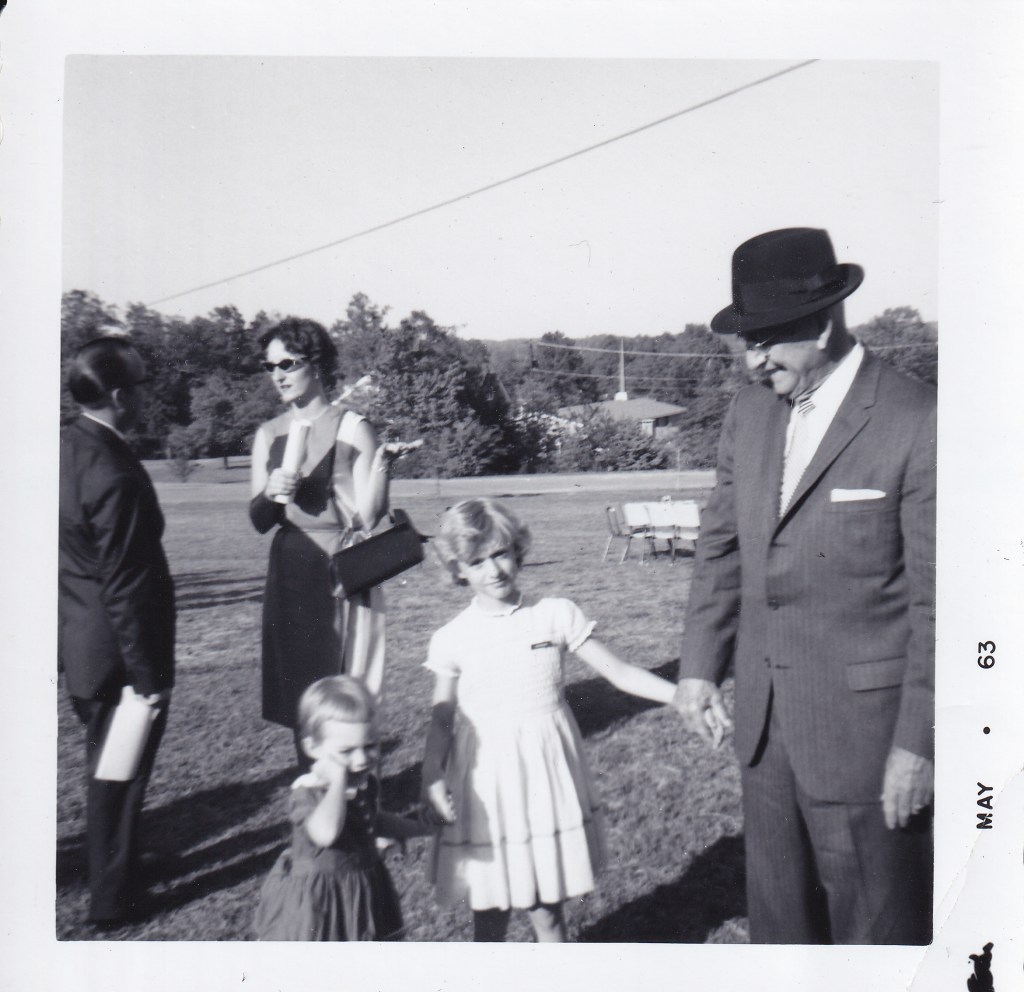
Dr. Donnan on Campus with his granddaughters Donna and Alice 
Dr. Donnan in front of the Donnan Administration Building 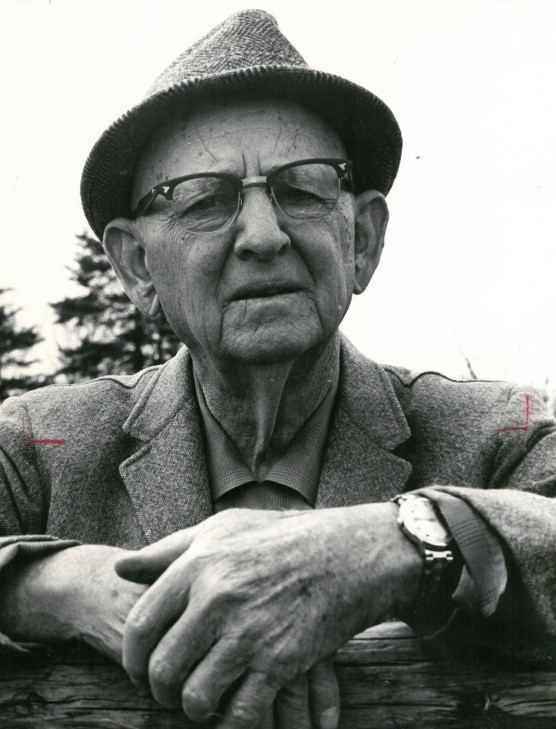
Dr. Donnan 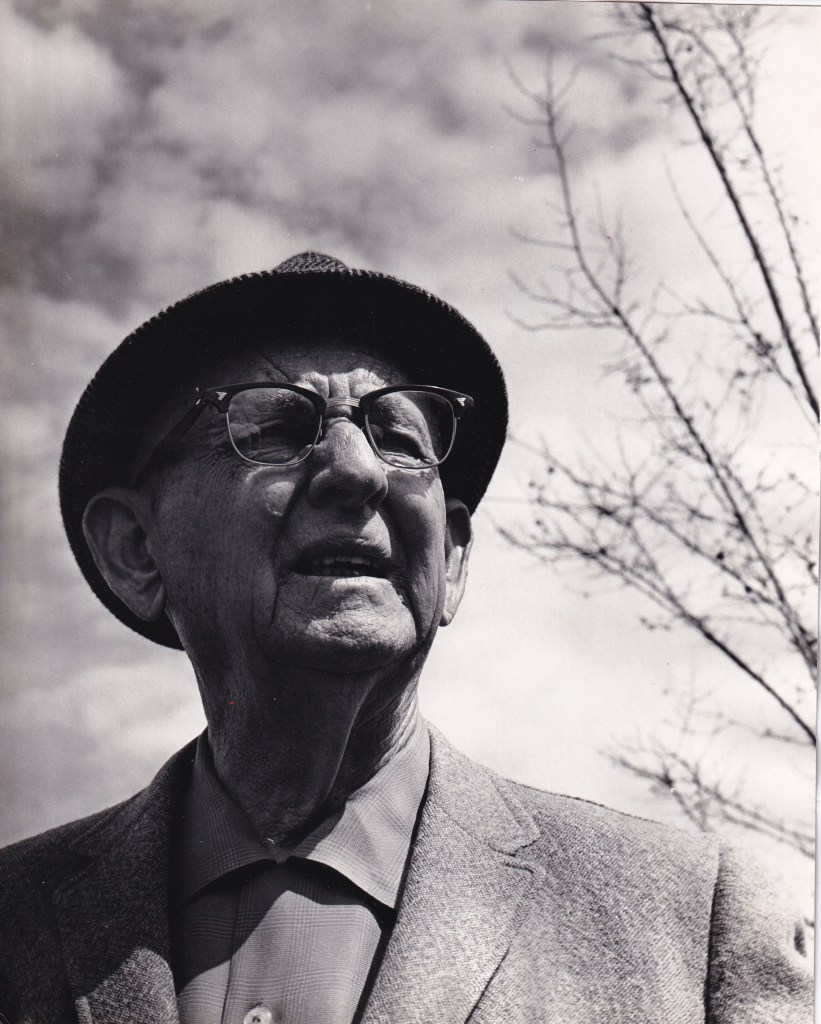
Dr. Donnan 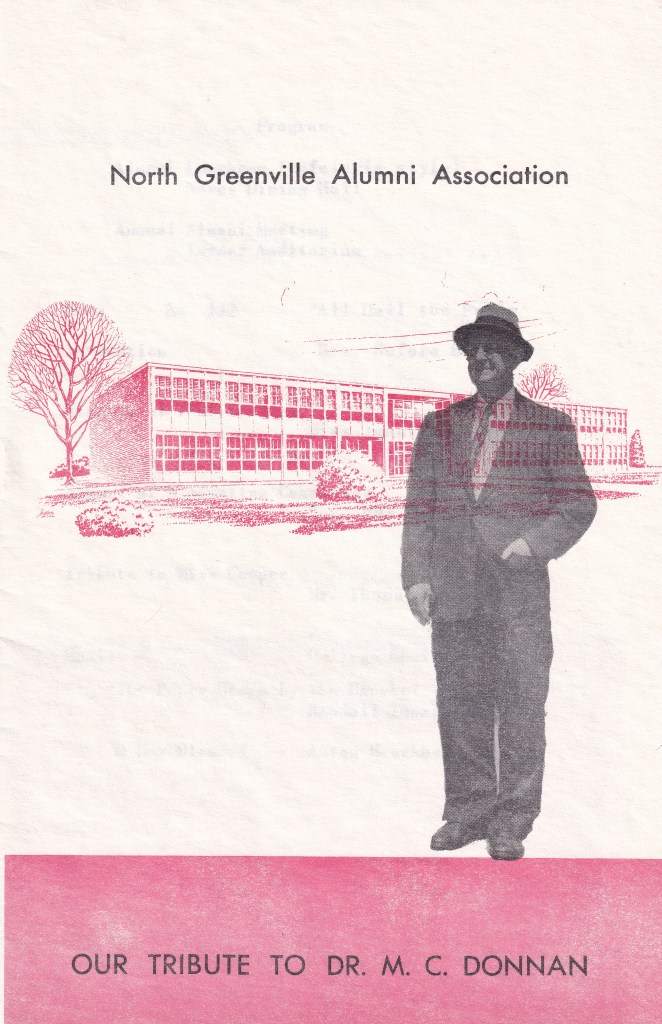
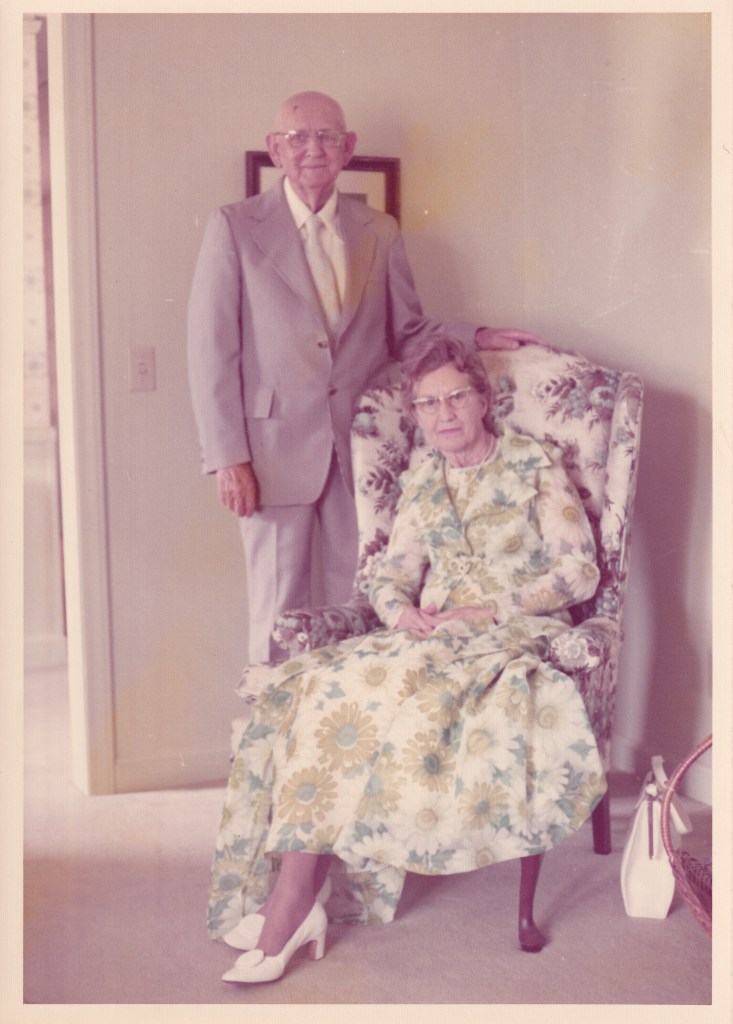
Dr. Donnan and Mrs. Donnan at their 50th Anniversary Party 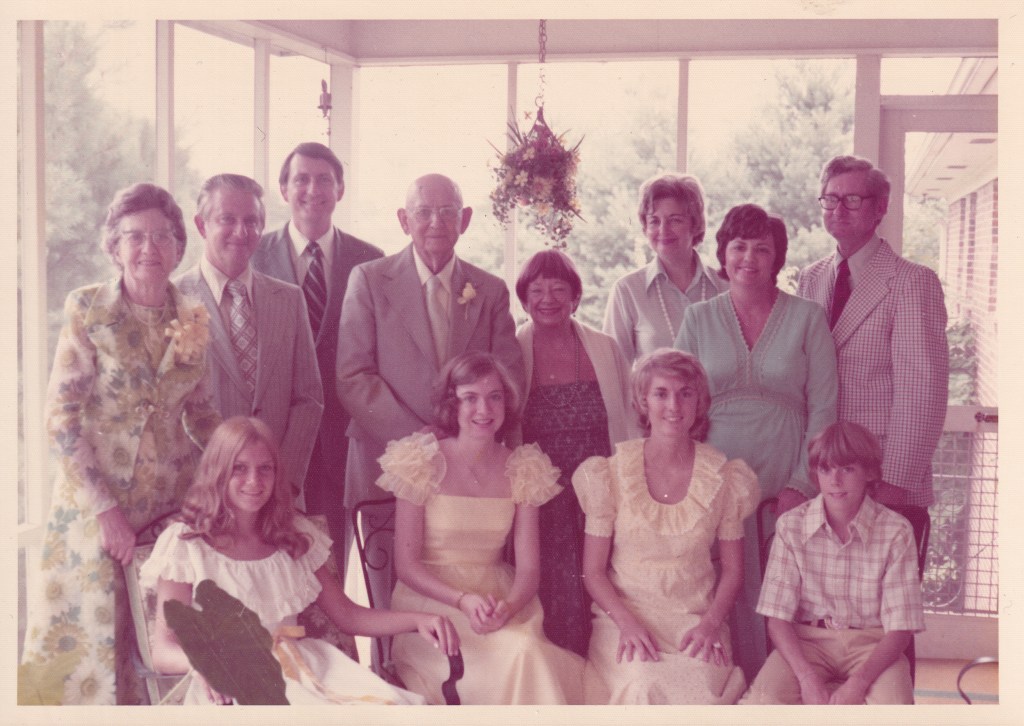
The Donnan Family at Dr. Donnan and Mrs. Ernestine Donnan’s 50th Wedding Anniversary. Standing Left to Right: Mrs. Donnan, Yates Donnan, Hugh Donnan, Dr. Donnan, LaVerne Donnan Huffman, Eileen Donnan Van Deinse, Lois Donnan Hinds, Joe Hinds. Seated Left to Right: Carole Donnan, Alice Hinds, Donna Hinds, Jody Hinds
 From These Roots
Leave a comment