
“This year, more than ever, North Greenville has taken its place among the colleges of the state and of the South because of, to a large extent, a book, ‘A History of North Greenville Junior College’, by Jean Martin Flynn. It is Miss Flynn’s interest in this school and in its students that has helped to make North Greenville what it is today.” – 1954 Aurora Yearbook Dedication Page
Jean Martin Flynn was born on July 11, 1917, to parents James Theron Flynn Sr. and Jennie Woodside Flynn. Her father owned a store in Easley, South Carolina named “J. Theron Flynn’s Store” where Wingard Jewelers is today on Main Street. Her mother was a school principal and teacher. Eventually, the family moved to the Chick Springs area of Taylors, South Carolina where Mr. Flynn was from originally. From a young age, Ms. Flynn excelled in school. Her mother taught Ms. Flynn and her siblings the body parts in Latin and education was a priority for the family. She attended Taylors High School before the family moved to Spartanburg and she then attended Spartanburg City High School. During her high school years, she won awards in writing and oration and participated in plays. She attended college at Winthrop where she was a member of both the Beta Pi Theta National Honorary Society for French students and the Eta Sigma Phi National Honorary Society for Latin students. She graduated with honors from Winthrop in 1938 and began a career in teaching that fall.
Ms. Flynn’s first teaching position was at Whitmire High School in Newberry County, South Carolina. She taught at Whitmire from 1938-1943 before moving back home to teach at Greer High School. After a year teaching in Greer, Ms. Flynn moved back to the midlands to attend the University of South Carolina where she earned her Master of Arts degree in 1946 and became a member of the Phi Beta Kappa Academic Honor Society. Her thesis was titled, “The Braggart Soldier and the Parasite in the E̲u̲n̲u̲c̲h̲u̲s̲ of Terence” and is still available to read at the University of South Carolina. While working on her degree, she taught summer sessions at Whitmore High School and accepted a full-time position there for a year after she graduated. In 1947, she accepted a position teaching French and English at Mountain View High School in Taylors, South Carolina. In addition to teaching, Ms. Flynn frequently served as the faculty advisor for the school newspapers at each of the three high schools where she worked.
World War II was a hard time for the Flynn family. Ms. Flynn’s brother, Ralph, was already fighting in Europe when her brother James T. Flynn, Jr., MD was shipped to Europe as well to serve as a doctor. Shortly after her second brother left for the war, her father died. Her mother was grieving her husband while worried about her sons overseas in a warzone. Thankfully, both Flynn brothers returned from the war. Ralph Flynn had entered the service from the ROTC as a 1st Lieutenant in the Third Division and by the age of twenty-six he was a Lieutenant Colonel and Battalion Commander. He earned a Silver Star, Bronze Star with Cluster, and a French Croix de Guerre. James T. Flynn Jr. had a career as an ENT doctor and served on the board of directors for the Crossroads Gospel Rescue Mission in Moultrie, Georgia, a place for homeless veterans. Ms. Flynn’s sister, Lou Alice, also served in WWII as a cryptologist in Washington D.C.
In 1949, Ms. Flynn resigned from Mountain View High School and became a member of the North Greenville Junior College faculty. At North Greenville, she continued to teach English and French and eventually taught speech and journalism as well. In addition to teaching, Ms. Flynn served as a faculty advisor for the school newspaper, The Skyliner, directed school plays, and advised the debate team. Under her guidance, The Skyliner received numerous All-American ratings from the Associated Collegiate Press. The first year The Skyliner received the All-American rating, it was the only junior college in the country to do so. Some of her students also went on to write for local newspapers.
Shortly after she began at North Greenville, Dr. Donnan, the college president, asked Ms. Flynn to write a play portraying the founding and history of North Greenville. This request began a historical writing journey for Ms. Flynn that would last the rest of her life. The North Greenville history play she wrote was performed by students at various churches during the 1950-1951 school year. After writing the play, Ms. Flynn decided to expand on her work and write the first history of North Greenville Junior College. She put out a request in the Alumni News and school newspaper for alumni to donate old catalogs, yearbooks, and other school publications to help her with her research. She also conducted interviews with alumni, faculty, trustees, and community members. “A History of North Greenville Junior College” was published in 1953 and sold for $5 a copy. In honor of her work on the school’s history and the interest she showed in her students, the 1954 Aurora yearbook was dedicated to her.
Throughout the 1950s, Jean Martin Flynn lived with her widowed mother, Jennie, in a house next to Taylors First Baptist Church. The ladies were active members of the church and Ms. Flynn was a fourth-generation member with ancestors buried in the church cemetery. Her great-grandfather, William Wiley Flynn, was the first person buried in the Taylors FBC Cemetery. Jennie passed away in 1959 and was buried next to her husband at Taylors FBC. Ms. Flynn was a momma’s girl and struggled to adjust after the death of her mother. So, in 1960 she traveled to Thailand where her brother, Ralph, and his family were stationed with the Army. She stayed for six months and on her way home went to see the pyramids in Egypt.
Ms. Flynn lived in the house next to Taylors FBC for the rest of her life and stayed a member there as well. In 1964, she published the church’s history, “A History of the First Baptist Church of Taylors, South Carolina” as a part of its 100th anniversary celebration. In 1979, she published an updated version of the church’s history in a book titled, “History of the First Baptist Church of Taylors, South Carolina with Fifteen Years of Century Two 1964-1979”. Her last update of the history of her church, “The Carswell Quarter Century, 1972-1997”, was published in 1997 and covered most of the years of Rev. Ernest Carswell, Jr. at Taylors FBC.
Jean Martin Flynn remained on the faculty at North Greenville Junior College until 1964. After leaving North Greenville, she taught at Greenville Technical College and wrote for The Greer Citizen. She never stopped writing and won several awards through the years for her short stories. She also continued to write non-fiction books with a focus on local history. Her books include, “How to Write Well”, “The Boy from Glassy Mountain”, “The Militia in Antebellum South Carolina Society”, “Campbell’s Covered Bridge: Greenville County, South Carolina”, “An Account of Taylors, South Carolina, 1817-1994”, “A History of Secona Baptist Church and the Pickens Area”, “A Short History of Chick Springs”, and “A History of the Barnwell First Baptist Church and Antebellum Barnwell”.
Throughout the mid-1980s, Ms. Flynn wrote several feature articles in The Greer Citizen for North Greenville College at the request of NGC President James Jordan and Mr. Payne, Director of Development. This series of articles was originally meant to show the longtime ties between North Greenville and Greer but eventually branched out to other North Greenville topics. Some of the articles featured various North Greenville alumni including Rose Neves Clayton, Ruth Howard, John Barnett, and Pralo Wood. Even though she was no longer a faculty member of North Greenville, she continued to preserve the school’s history through these interviews.
Jean Martin Flynn wrote her last book, “A History of the Barnwell First Baptist Church and Antebellum Barnwell” in 2002. On October 18, 2006, Ms. Flynn passed away at the age of 86. She is buried in the Taylors First Baptist Church Cemetery with her parents, grandparents, and great-grandparents. Her house has since been torn down, but her legacy remains in her writing, her former students, and the family members who continue to remember her and love her.
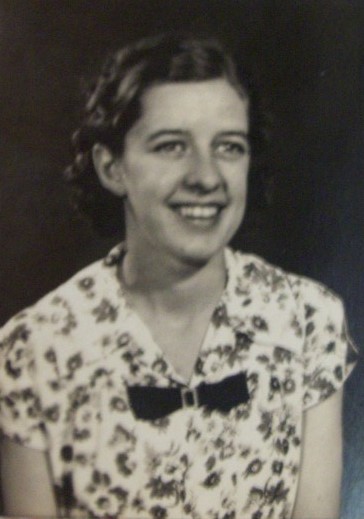
Jean Martin Flynn photo courtesy of her niece, Jean Martin Brown 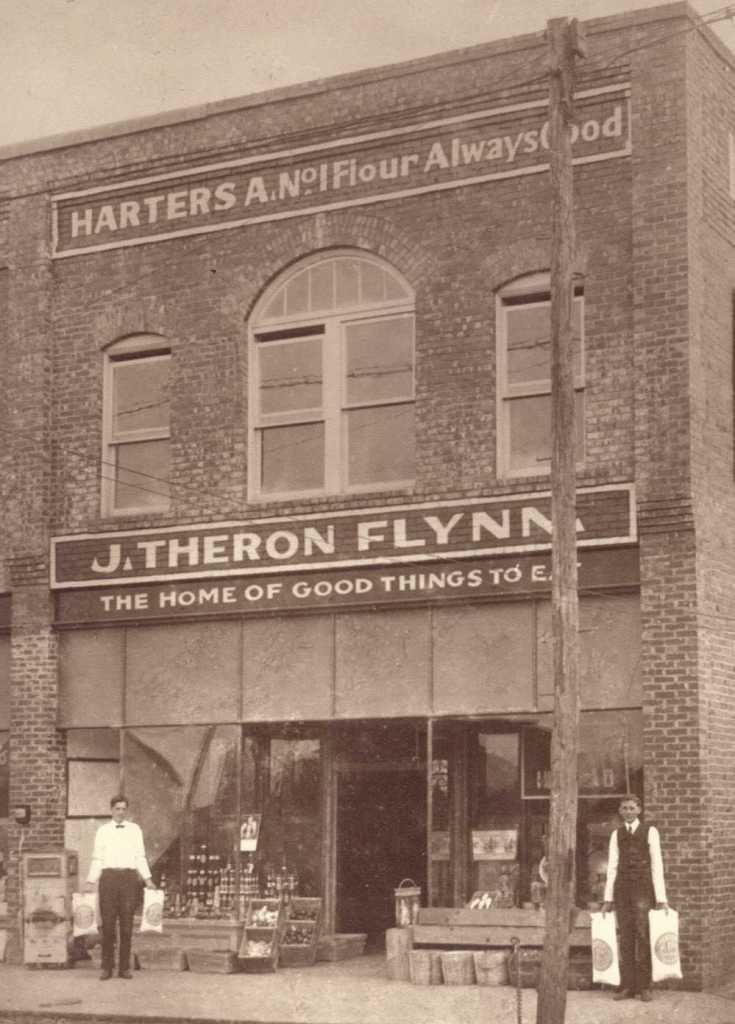
Jean Martin Flynn’s Father’s Store in Easley, SC 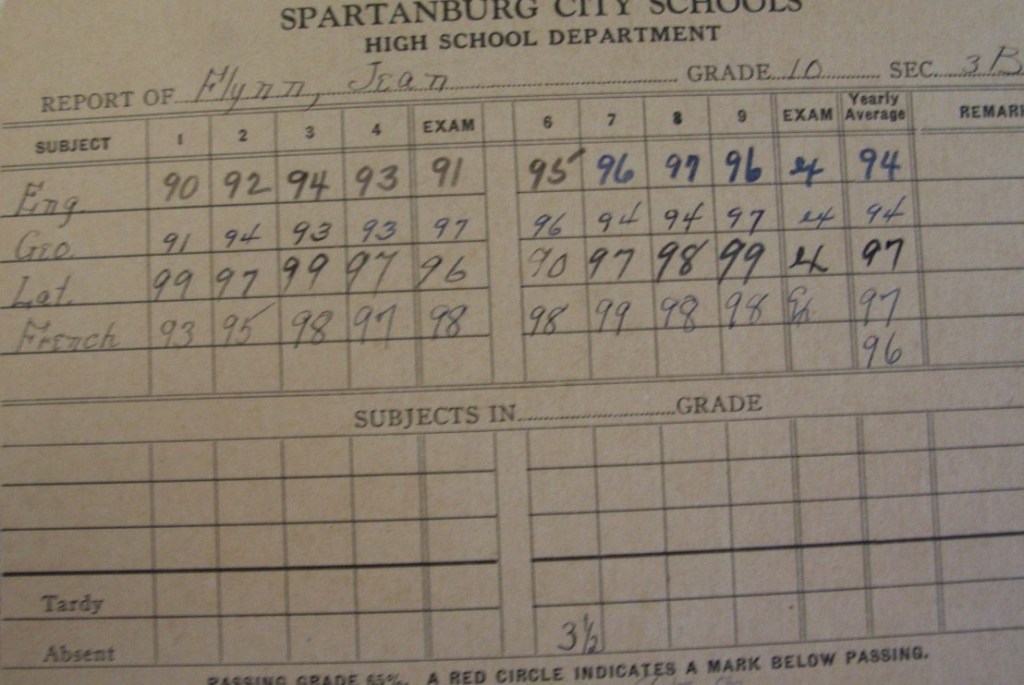
10th Grade Report Card from Spartanburg City Schools- Photo Courtesy of Her Niece, Jean Martin Brown 
Jean Martin Flynn photo courtesy of her niece, Jean Martin Brown 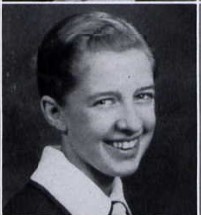
1937 Winthrop College Yearbook Picture 
Jean Martin Flynn photo courtesy of her niece, Jean Martin Brown 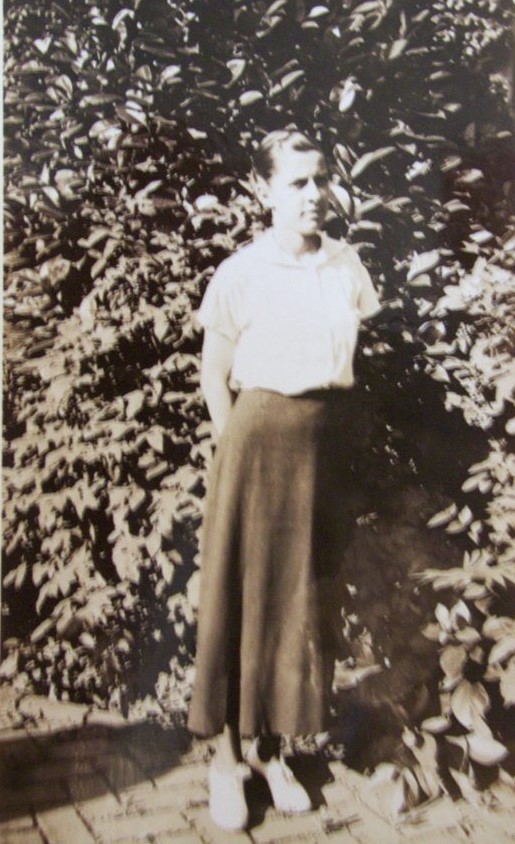
Jean Martin Flynn photo courtesy of her niece, Jean Martin Brown 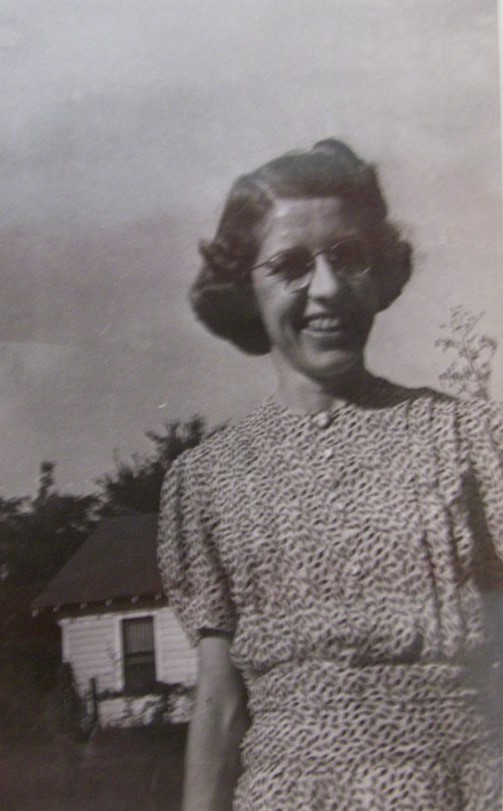
Jean Martin Flynn photo courtesy of her niece, Jean Martin Brown 
Jean Martin Flynn photo courtesy of her niece, Jean Martin Brown 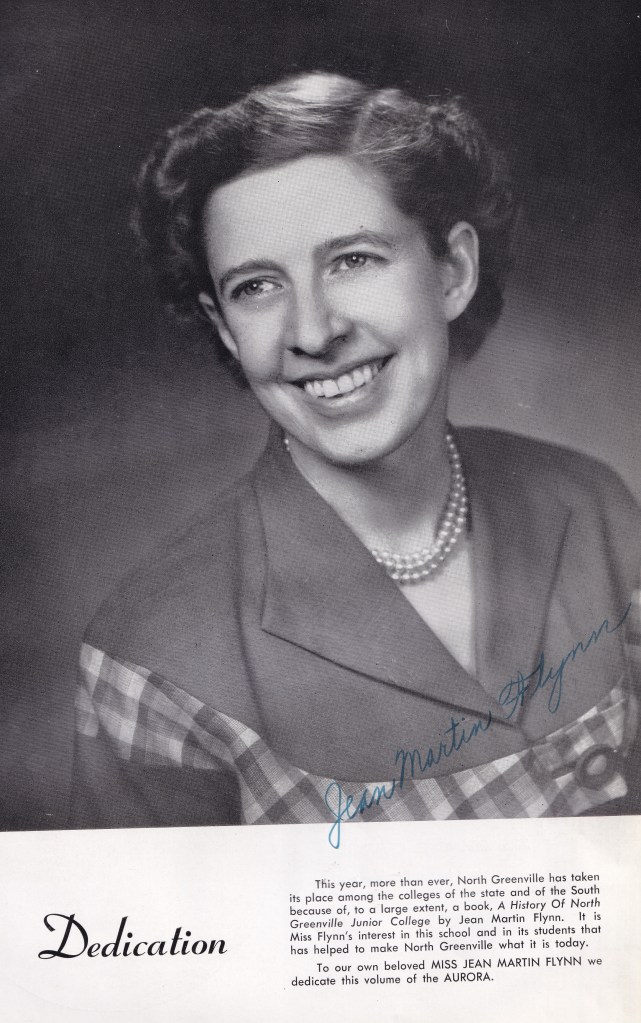
1954 Aurora Yearbook Dedication Page 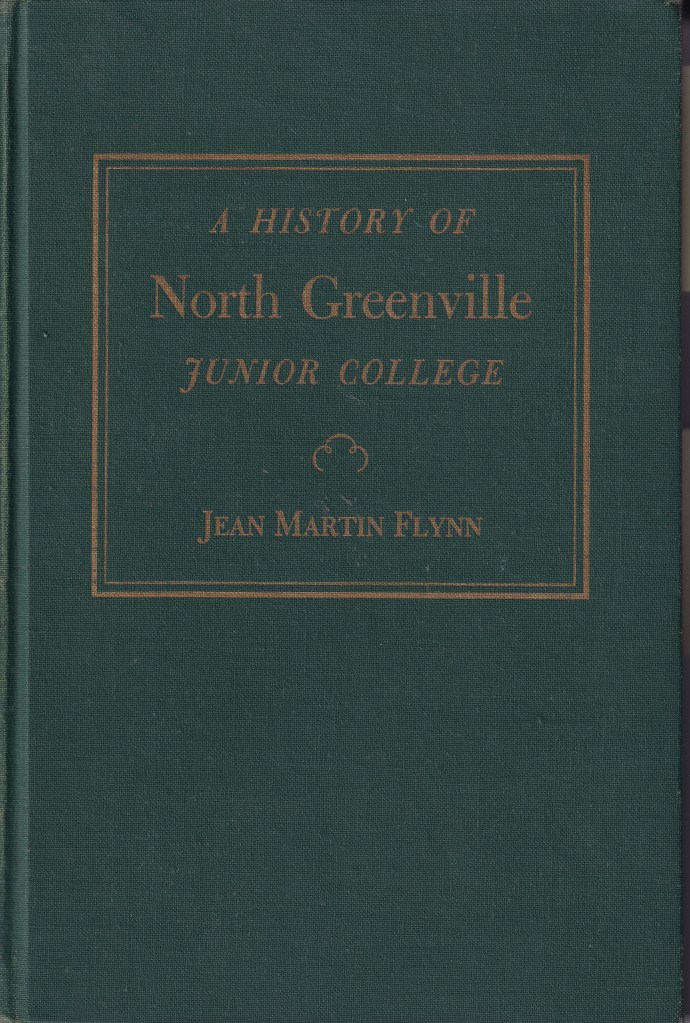
“A History of North Greenville Junior College” by Jean Martin Flynn 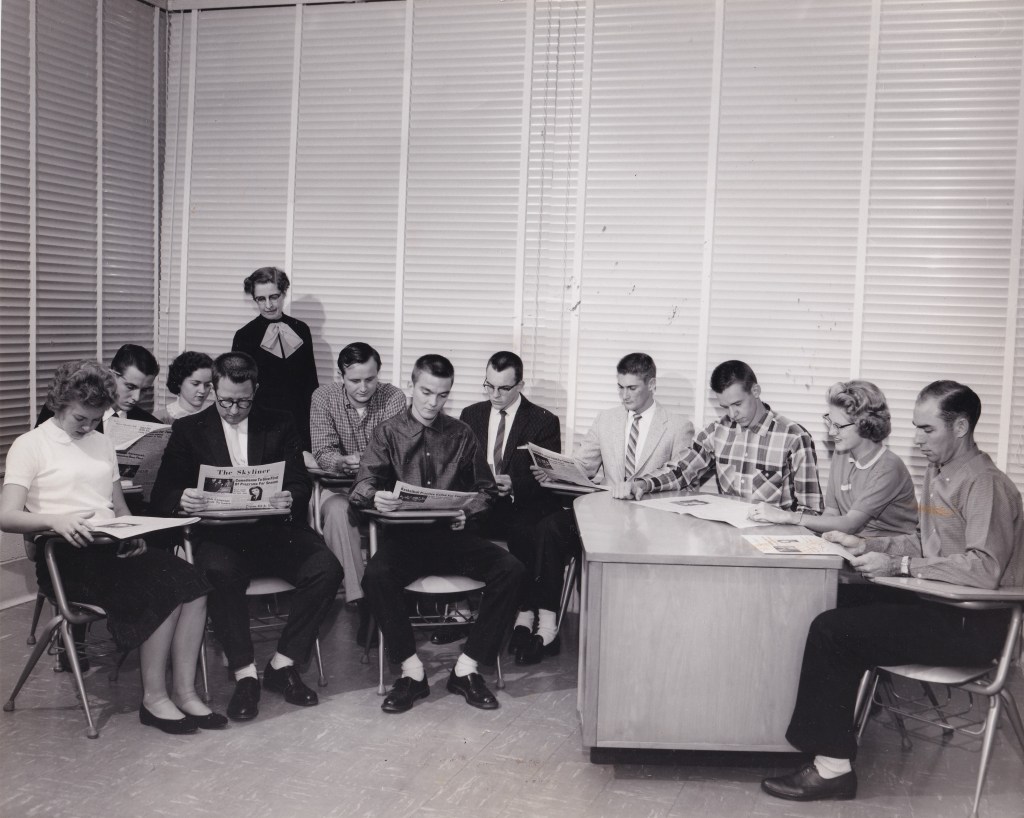
1959 Skyliner Staff with Jean Martin Flynn 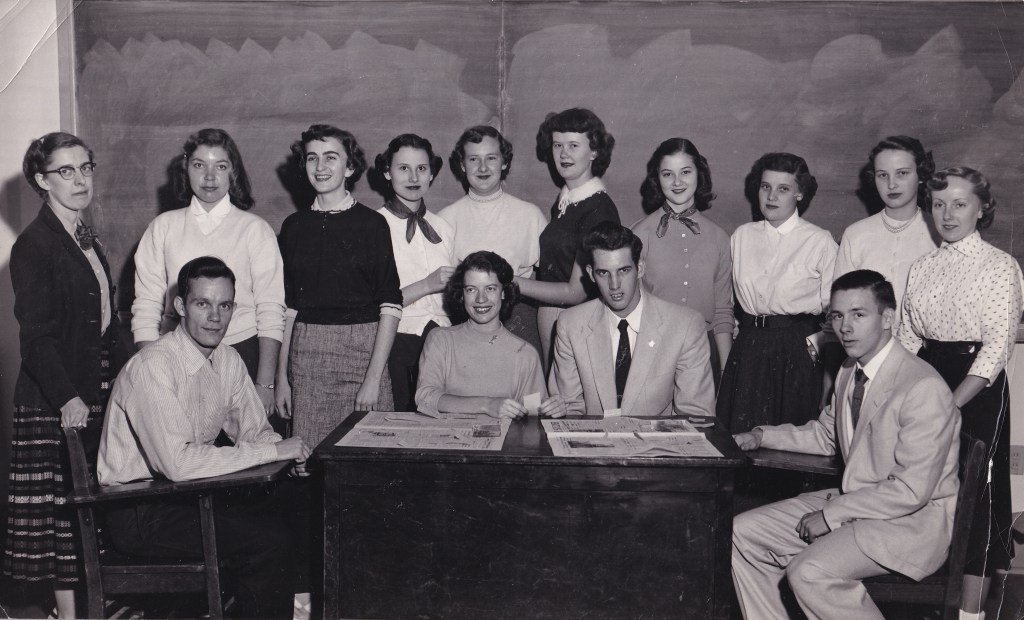
1955 Skyliner Staff with Jean Martin Flynn 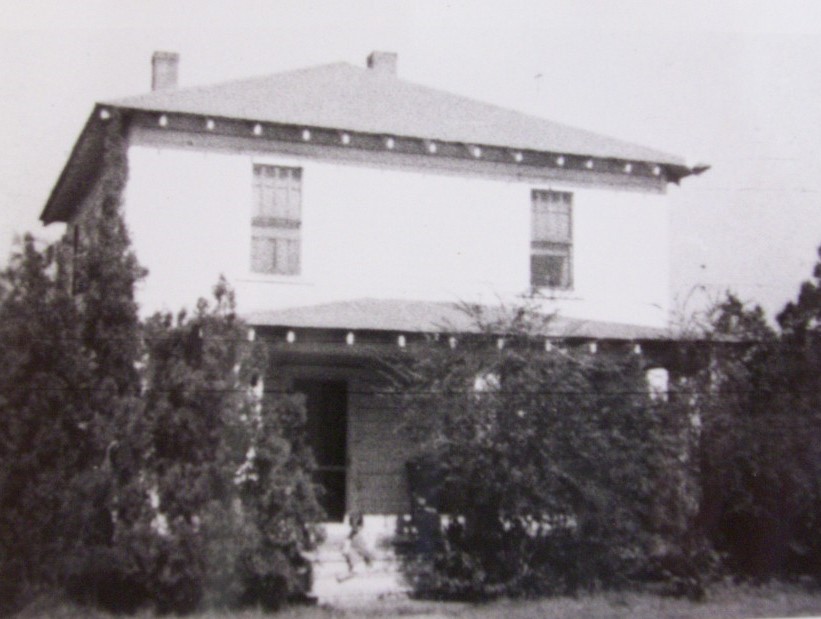
Jean Martin Flynn’s House- Photo Courtesy of her niece, Jean Martin Brown 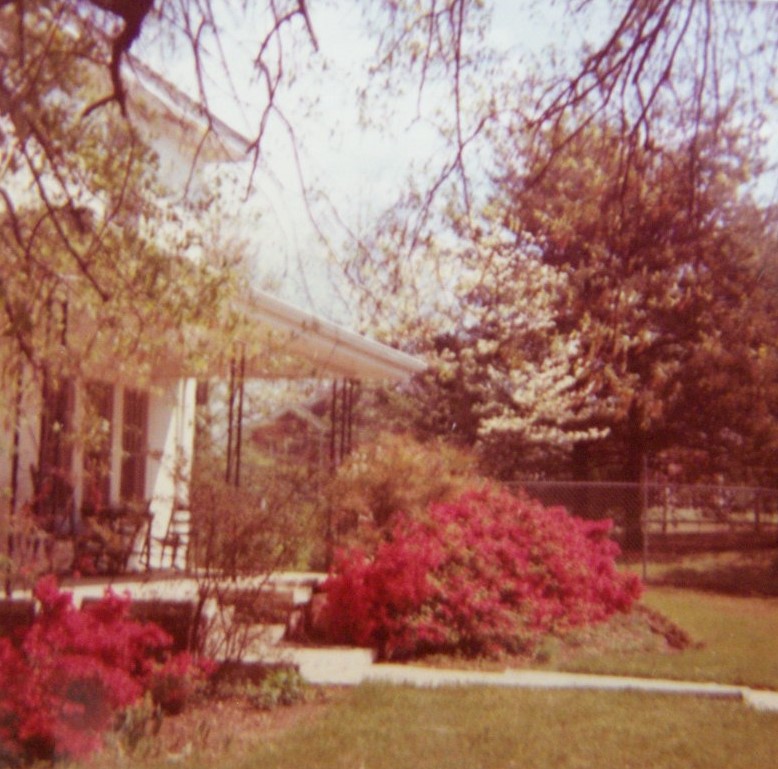
Jean Martin Flynn’s House- Photo Courtesy of Her Niece, Jean Martin Brown 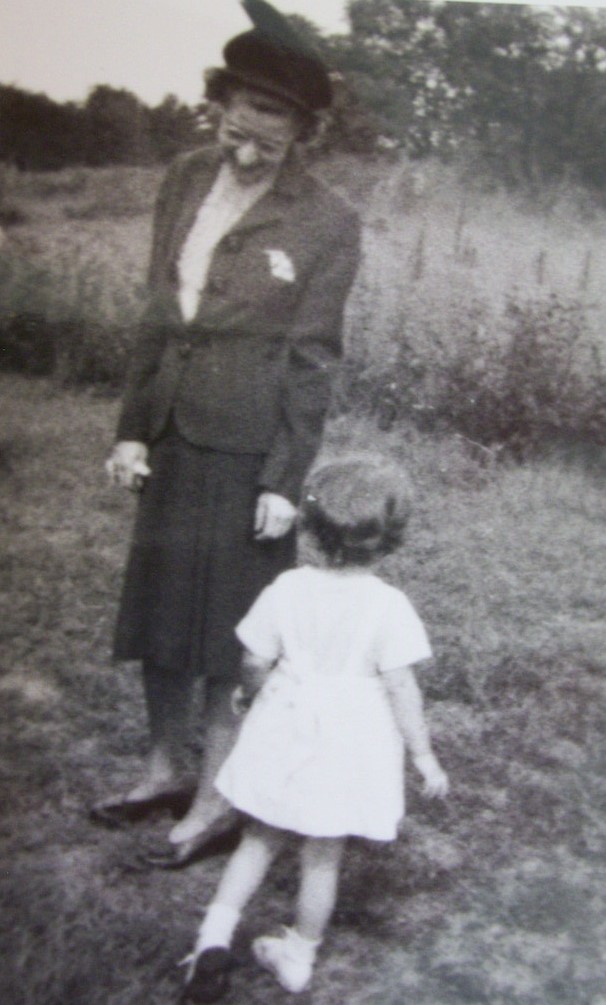
Jean Martin Flynn photo courtesy of her niece, Jean Martin Brown 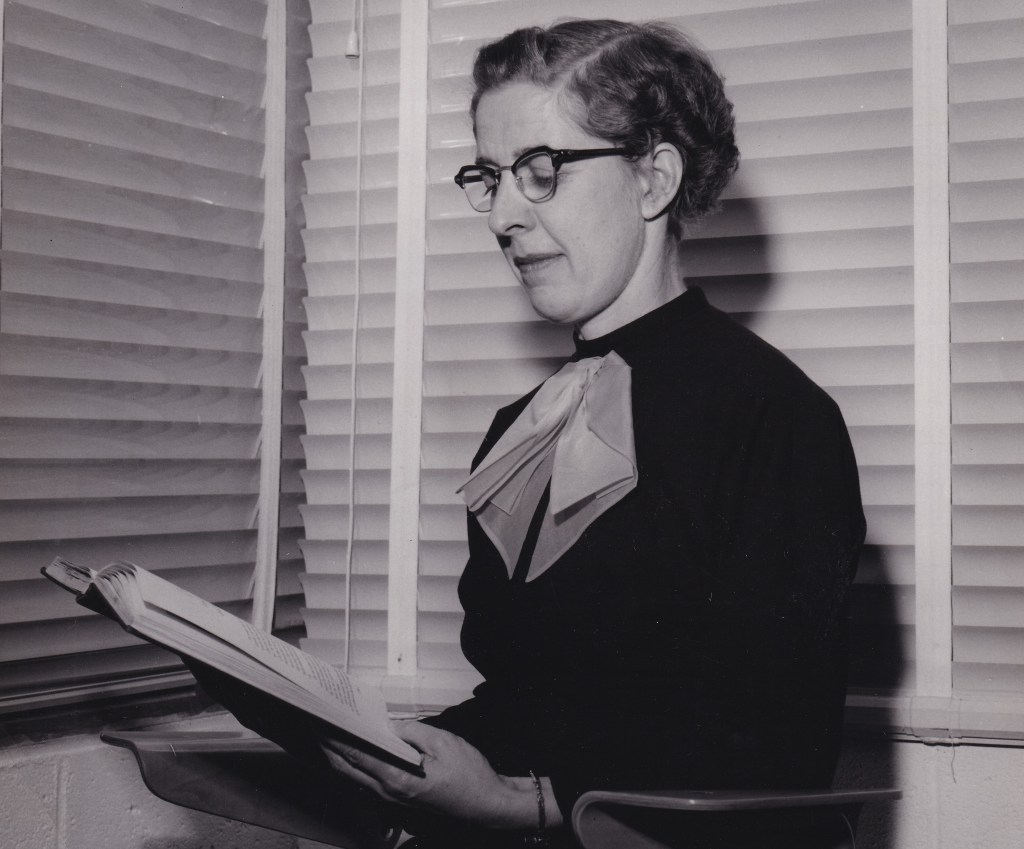
Jean Martin Flynn
 From These Roots
Leave a comment