
“A university is just a group of buildings gathered around a library.”
― Shelby Foote
When principal O.J. Peterson came to North Greenville, there was only one building on campus and a school library was just a dream. In the spring of 1901, Mr. Peterson organized the A.C.H. (Amicitia, Cultura, Humanitas) Literary Society. The group was organized down in the woods near campus and included students such as J. Dean Crain, Luther W. Courtney, and V.E. Rector. Eventually, they moved their meetings into a classroom with a bookcase and a small supply of donated books. Gradually, more books were donated to the school and the first library at North Greenville was created. When space on the bookshelves ran out, books were stacked on chairs. In those early years, the ACH ran the school library and appointed a member as the “librarian”. The ACH librarian kept a list of the books, checkouts, and fines.
Starting around 1925, the “librarian” title was tacked on to various other faculty and staff positions. For example, from 1925-1930 the librarian was also the matron of girls. The position did not require any library training and the main role was to build the collection. There was no cataloging system in place until 1936 when Azile Wofford, a missionary to Buenos Aires with a library science degree, spent several weeks at North Greenville cataloging the library for the first time.
Over the next few years, more shelving and tables were added as the library grew. In 1938, Marion Burts was hired as the librarian and English instructor. The library was still just one classroom and contained around 4,000-5,000 books. One of the first things Ms. Burts did was convert another small classroom into a study space. She had ten students on staff who helped her paint the two library rooms, put screens on the windows, and hang curtains. The new study space included three store-bought oblong tables, one big wide homemade table, and mismatched chairs. Book binding also took place for the first time under the leadership of Ms. Burts. The student workers completed the binding using pasteboard, colored cloth, and thread. In 1945, Ms. Burts resigned from North Greenville to take a position at Presbyterian College.
There were not many changes to the library over the next few years. The librarians remained employees who held other positions on campus until 1949 when Edith Sayer was hired as the first full-time librarian at North Greenville. When she first came to the library, there was a small workroom in addition to the two converted classrooms. The small workroom had at one time been the post office. The reserve section was blocked off my 2×4’s to keep the students out and magazines were scattered all over the floor. The entire library budget was only $300. Ms. Sayer was a trained librarian and immediately began creating a card catalog system with official cards from the Library of Congress.
Ms. Sayer made the small spaces work until the spring of 1954 when the library had to be moved for the second administration building to be torn down. To move the books, the students formed a “book brigade” line from the administration building down to the basement of Wingo Hall. Wingo Hall was a women’s dorm that sat next to White Hall. The students then passed books from one student to another until all the books had been relocated. The library stayed in the basement of Wingo Hall until the fall of 1955 when the Donnan Administration Building was completed. The Donnan Administration building included, for the first time in school history, a space designed to be a library. The new library was named “Hester Memorial Library” in honor of Rev. H.C. Hester who served as the principal of North Greenville from 1920-1928.
The new library consisted of a large reading room, a work room with a sink and cabinets, offices for the librarian, and a conference room. Edith Sayer was given a budget of $1,200 to expand the book collection and a magazine corner was created to house the sixty-five magazine subscriptions and the eight newspaper subscriptions. The floor space in the new library was larger than the entire floor space of the second administration building. It was designed to accommodate 500 students with a seating capacity for 20 percent of them. The shelf capacity was 15,000 volumes and the card catalog grew from 4 drawers to 40 drawers. The library began to transition from the Dewey Decimal classification system to the Library of Congress classification system in 1968.
By 1969, it was clear that the library needed more space. More than ten thousand volumes had been added in the few years prior. Partitions were removed from three of the upstairs classrooms in the Donnan Administration Building to accommodate the growing library. The back issues of periodicals, audio-visual materials, a listening area, and the general book collection were moved upstairs. Downstairs housed the card catalog, study carrels, tables, the reference collection, and a reading corner where the current periodicals were held.
As the college grew, a new library needed to be constructed. In 1971, the Health, Education, and Welfare Department granted a $644,000 loan to North Greenville on condition that the college provided $215,000 of the building cost. A fund-raising campaign was launched, and the funds were raised by that summer. Piedmont Engineers, Architects, and Planners served as the architects for the project, and Sherman Construction Company was selected to build. The groundbreaking ceremonies were held on May 3, 1972, and construction began immediately. The new building was originally supposed to be completed by the fall of 1973, but it was not finished until 1974. In October 1974, another student book brigade moved all of the books from the old library in the Donnan Administration Building into the new library building.
On Founders Day, January 16, 1975, a dedication ceremony was held for the new Edwin F. Averyt Learning Center. The building was named after a trustee of the school who donated funds towards the construction of the learning center. The new building was two and a half stories tall with the main floor and top floors housing the library and the bottom floor housing the mechanical room, an office, an art area with a dark room, storage space, and a multi-purpose room. The main level included the circulation desk, offices, small conference rooms, a large conference room, an art gallery, and a staff break room. The upstairs of the library included the main book stacks, offices, a workroom, a conference room, and a staff lounge.
On October 20, 1975, North Greenville College filed a lawsuit against Sherman Construction Company for $100,000. According to an article by Bill Jones in the May 4, 1977 edition of The Skyliner, “The suit charged that the Sherman Company had not provided quality materials or workmanship in building the Averyt Library and had not finished the job within the specified time.” In response, Sherman Construction filed a countersuit and claimed that North Greenville still owed them $86,899. The court ruled that North Greenville should pay Sherman Construction half of what they owed them.
A few changes and additions have taken place over the years. In 1985, North Greenville alumnus Lewie H. Miller, Jr. (’39) donated a portion of his rare Bible collection to the school, and “The Miller Bible Museum” was opened in the library. The collection includes a facsimile edition of the 1456 Gutenberg Bible, a leaf from the 1663 Up-Biblum God, and a first edition of the 1611 King James Bible.
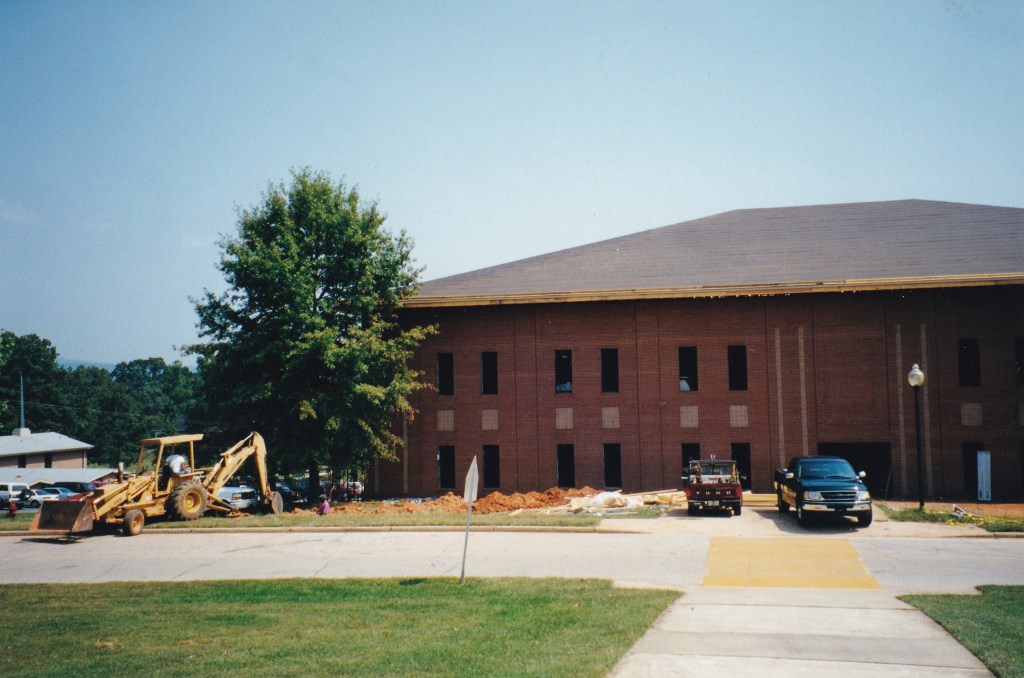
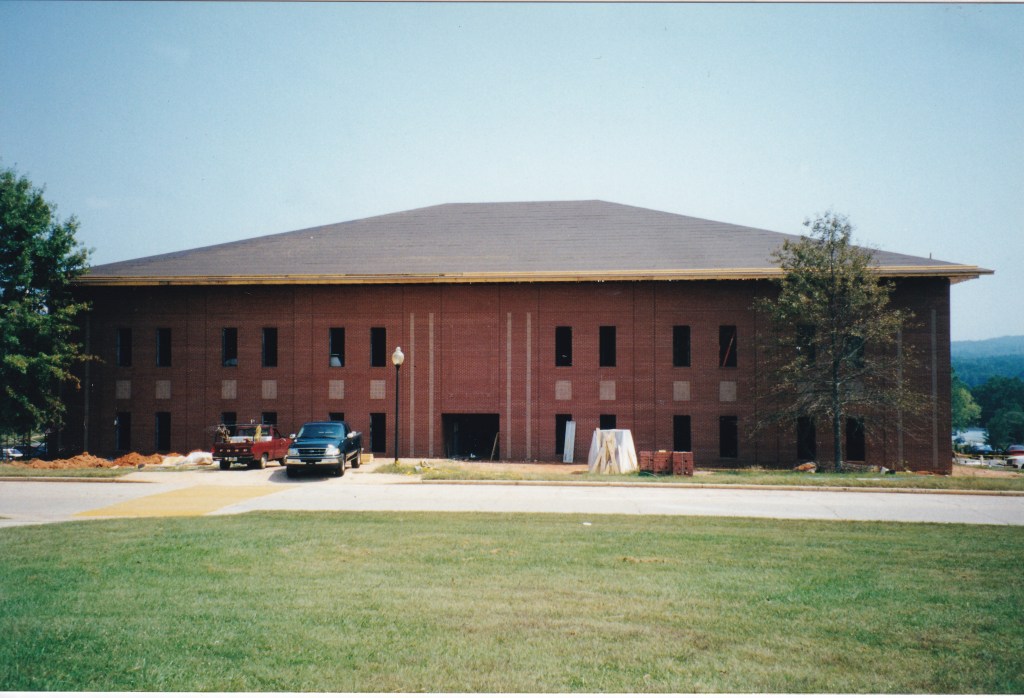
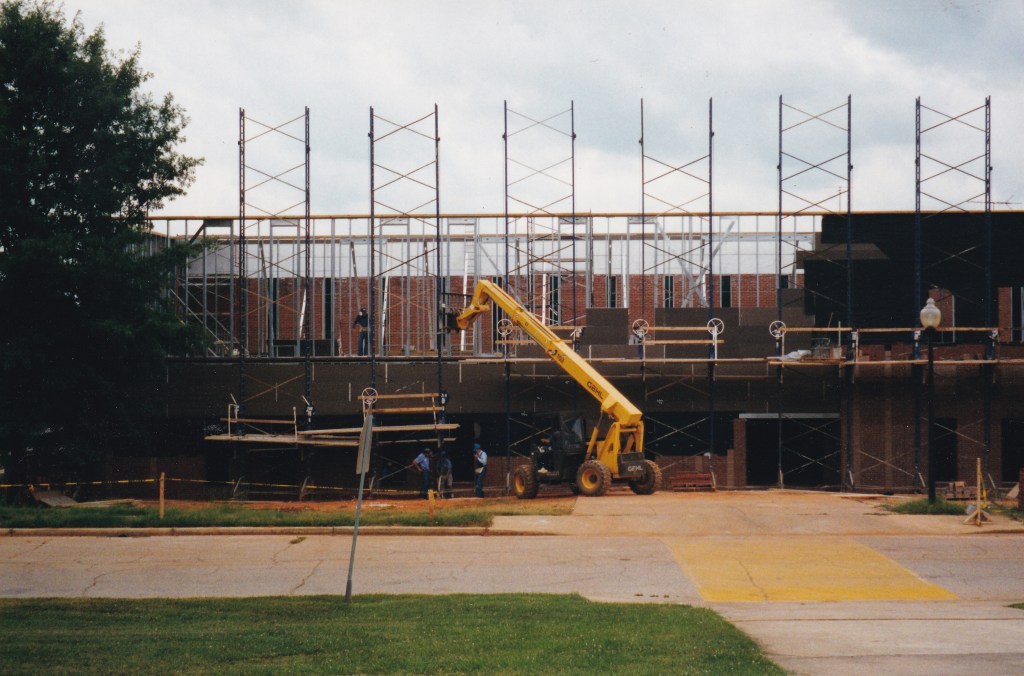
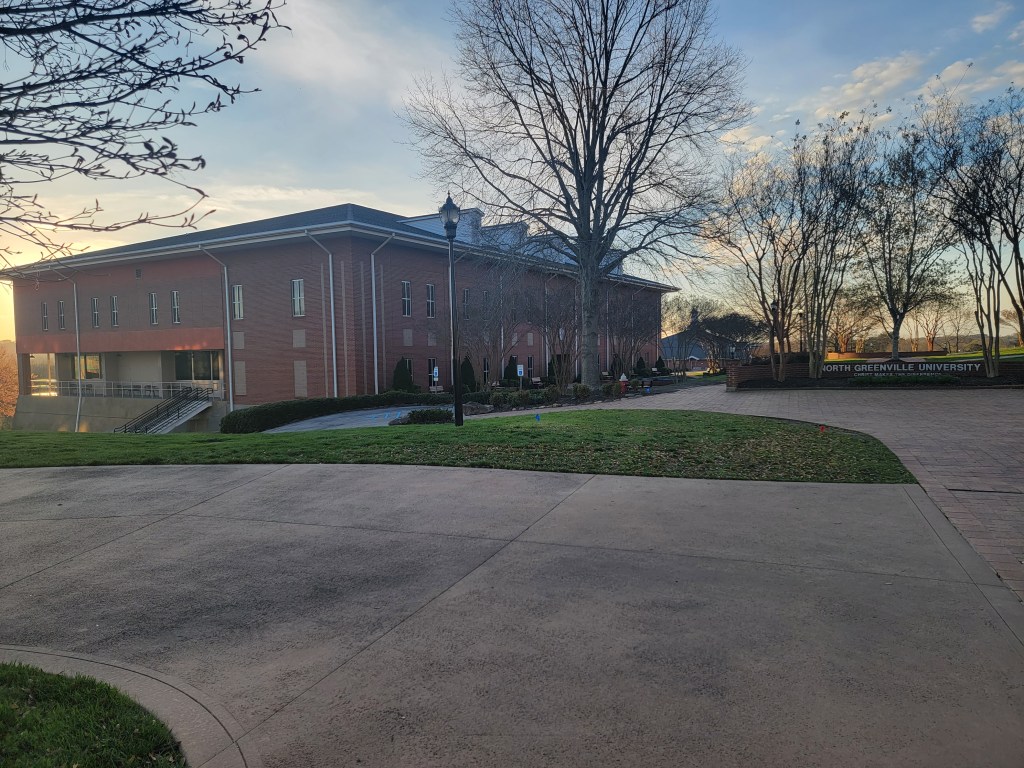
Updates to the building started in 1993 with the replacement of the orange carpet throughout most of the library. The most significant changes came in 1999 when an extension was built onto the front of the building and a new roof was put in place. The extension included twelve new classrooms and ten new faculty offices. During this process, some aesthetic updates were done inside of Hester Memorial Library as well. The 1999 addition and updates were largely funded by an alumnus named Paul Wood. A dedication ceremony was held on September 15, 1999, and the name of the building was changed to “The Averyt/Wood Learning Center” in honor of the Wood family. In 2003, a new archive was created by library director, Jonathan Bradsher, in the upstairs conference room of the library. The new archive won the “Archives Award of Merit” from the South Carolina State Historical Records Advisory Board in 2003.
Despite the rise in electronic resources, the Hester Memorial Library remains an important part of the university campus. Students gather in the library to study, print papers, research, work on group projects, and receive valuable help from the librarians. The archive continues to grow the school’s historical collection and will eventually host the archive of the South Carolina Baptist Convention which is currently housed in Columbia. The library is also available to the general public, faculty, staff, and alumni so if you have not visited in a while, we hope to see you soon.
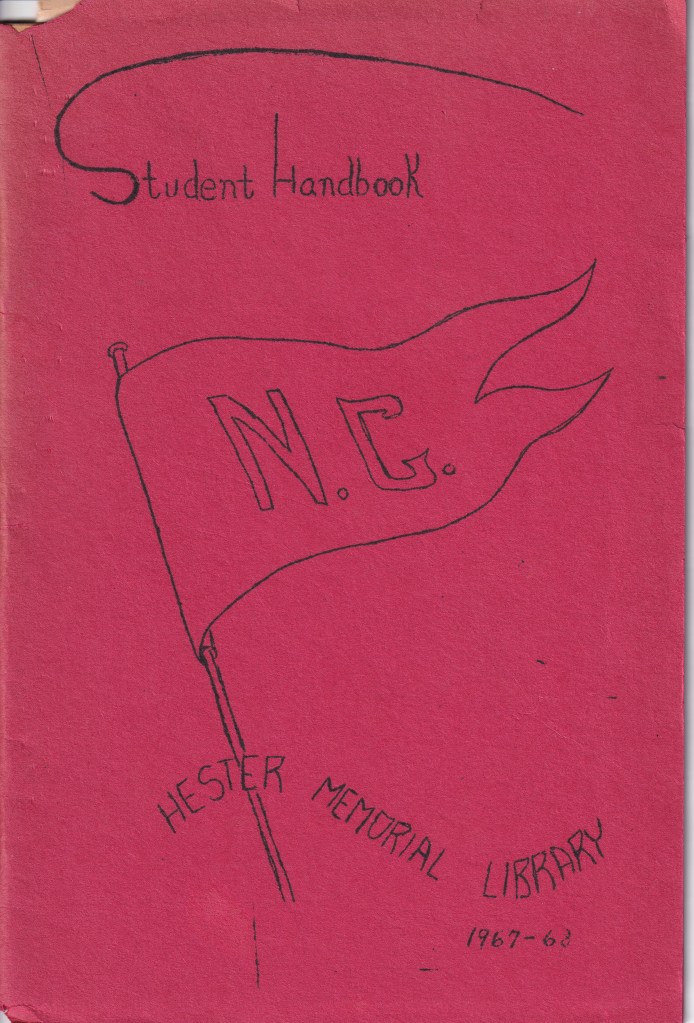
1967-1968 Library Handbook 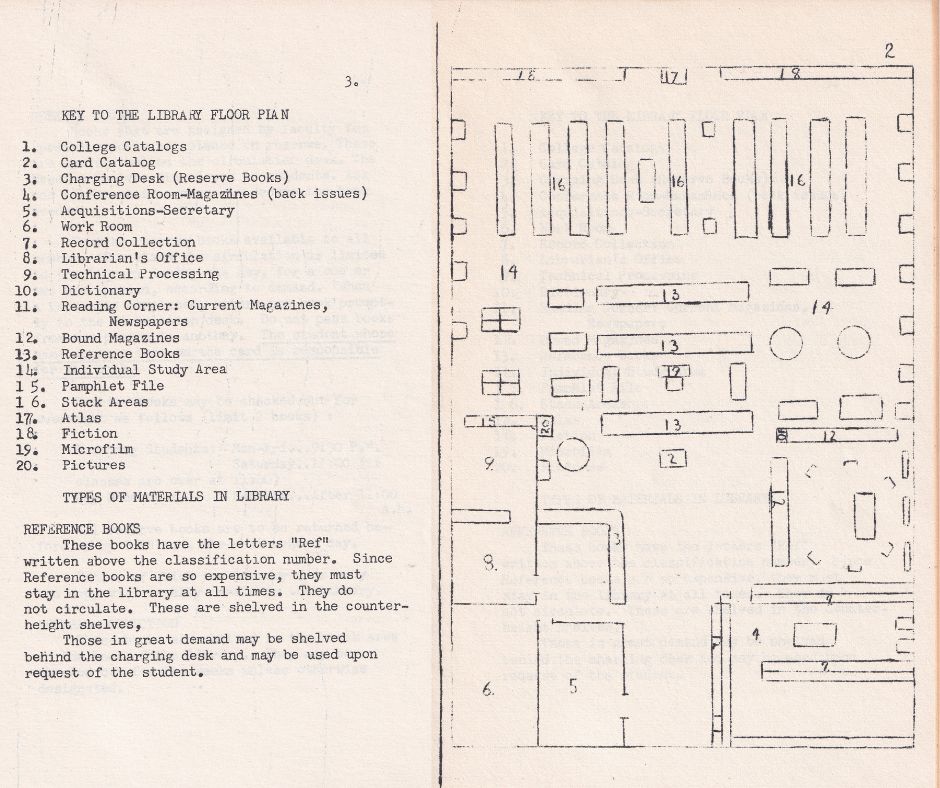
The 1967-1968 Layout of the Hester Memorial Library when it was on one floor of the Donnan Administration Building. 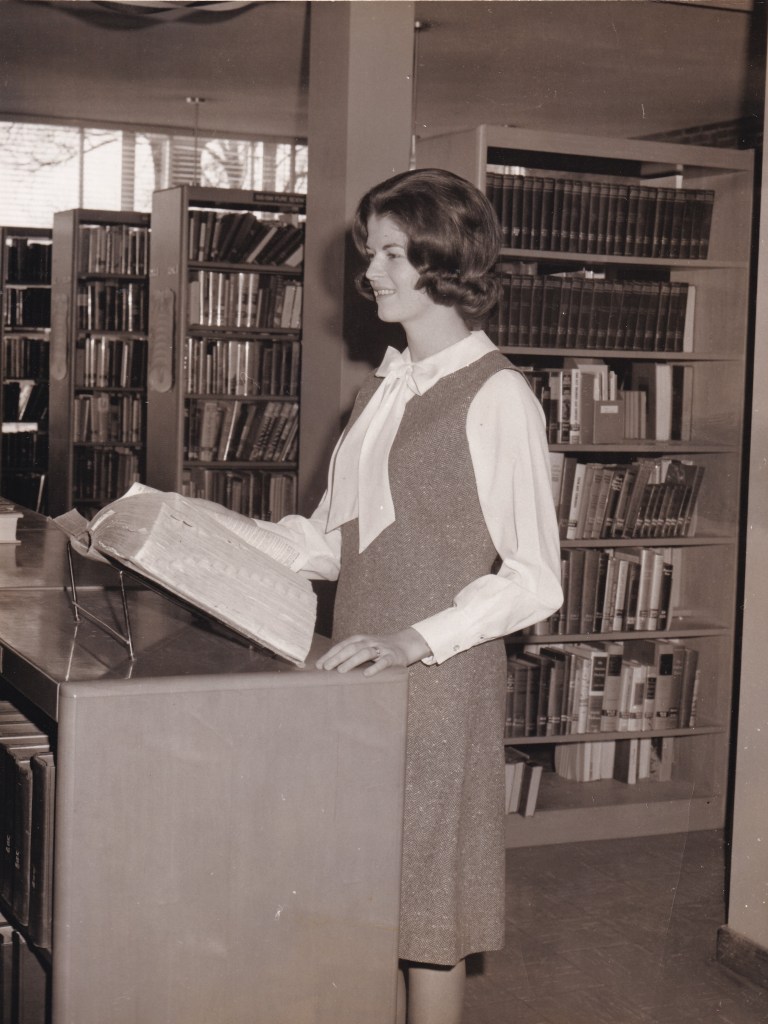
Linda Hammond in the Donnan Administration Building’s Hester Memorial Library 1964-1965 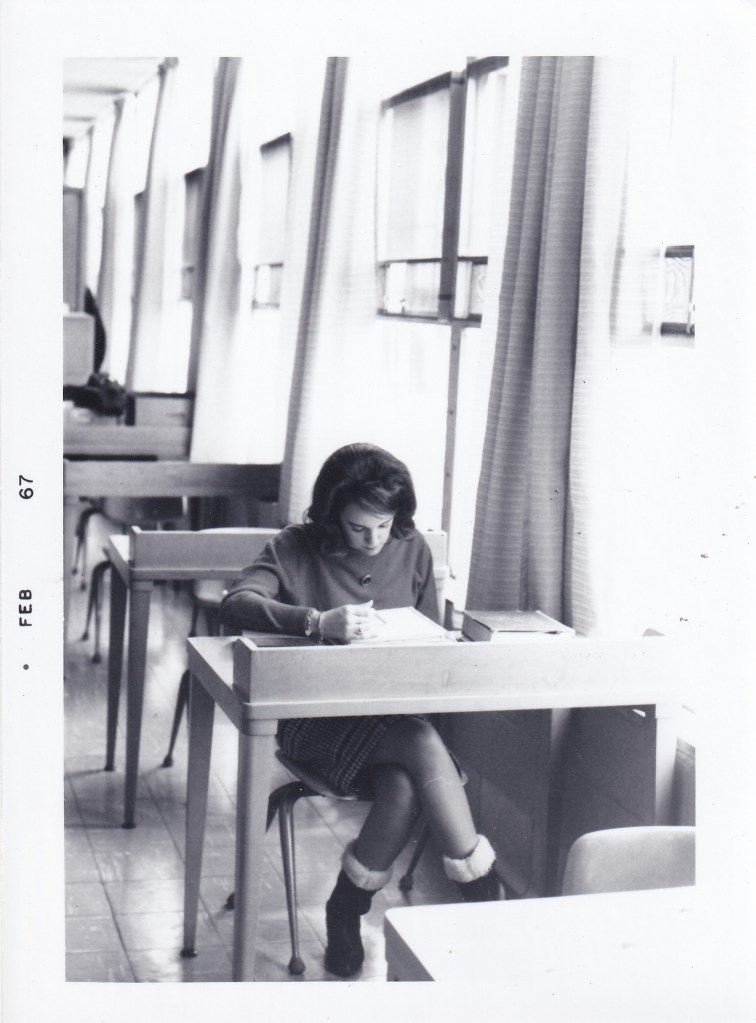
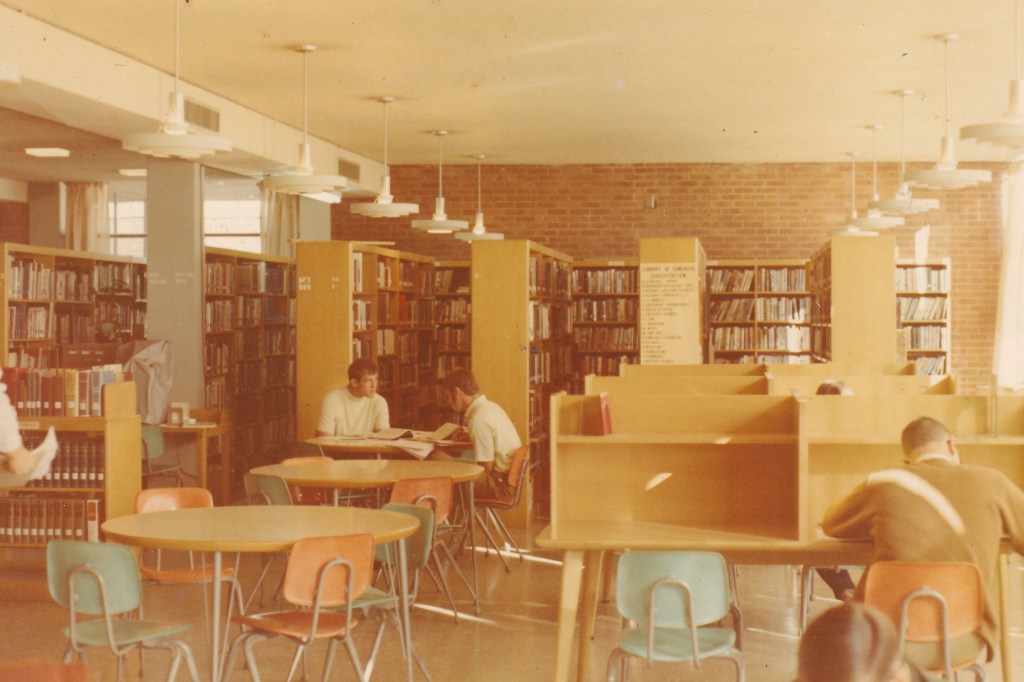
1967 view inside the old Hester Memorial Library 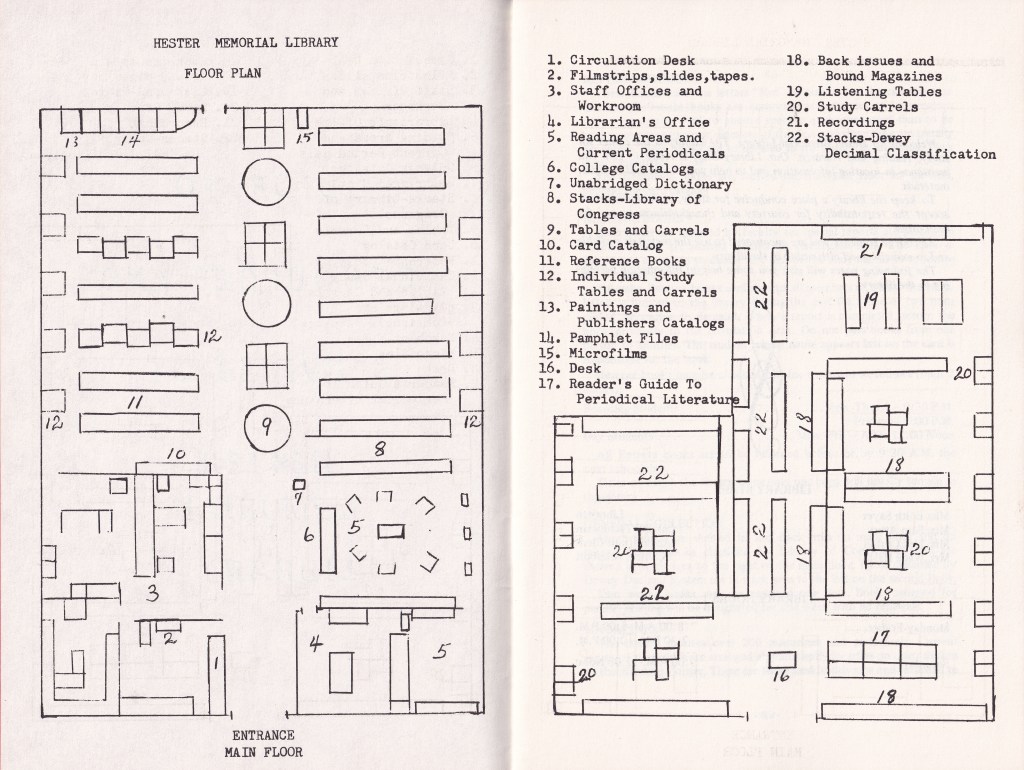
The 1971-1972 layout of the Hester Memorial Library inside the Donnan Administration Building after it expanded to two floors. 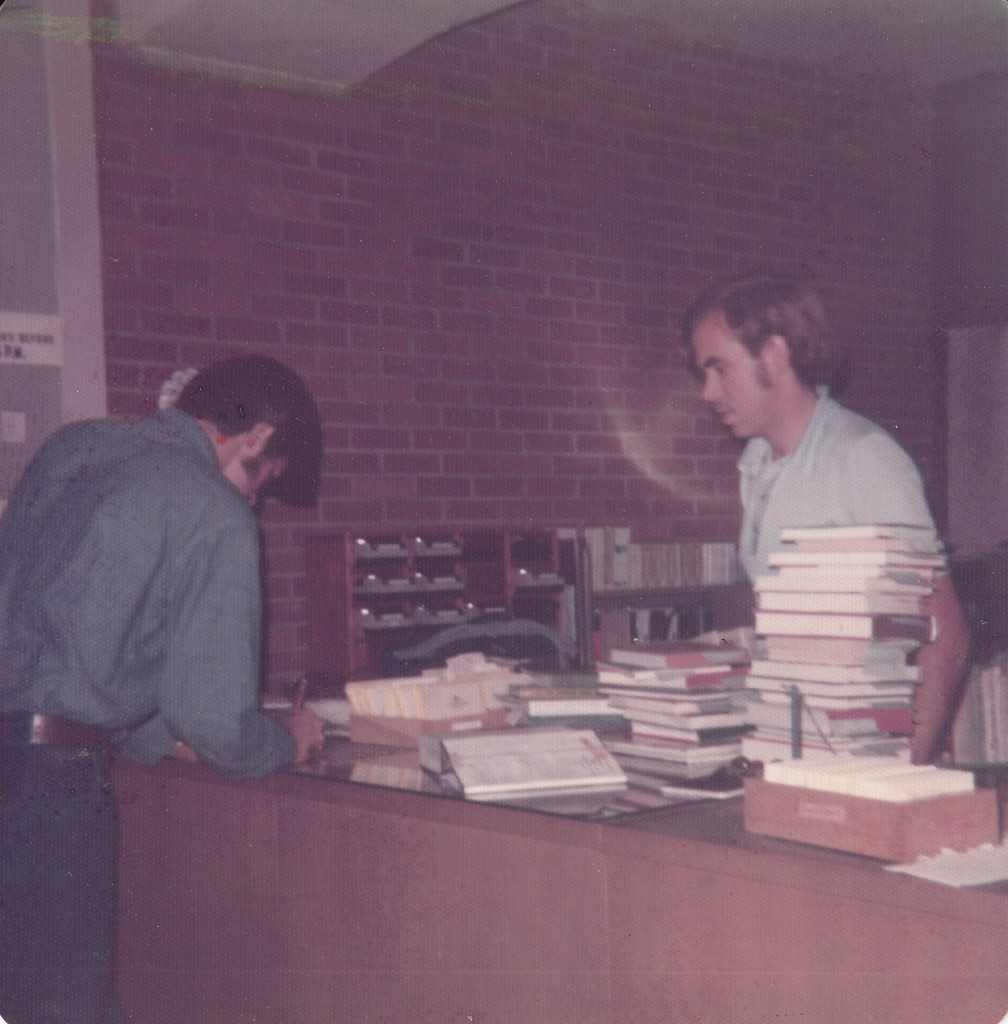
Joey Alewine at the library’s charging desk in 1973 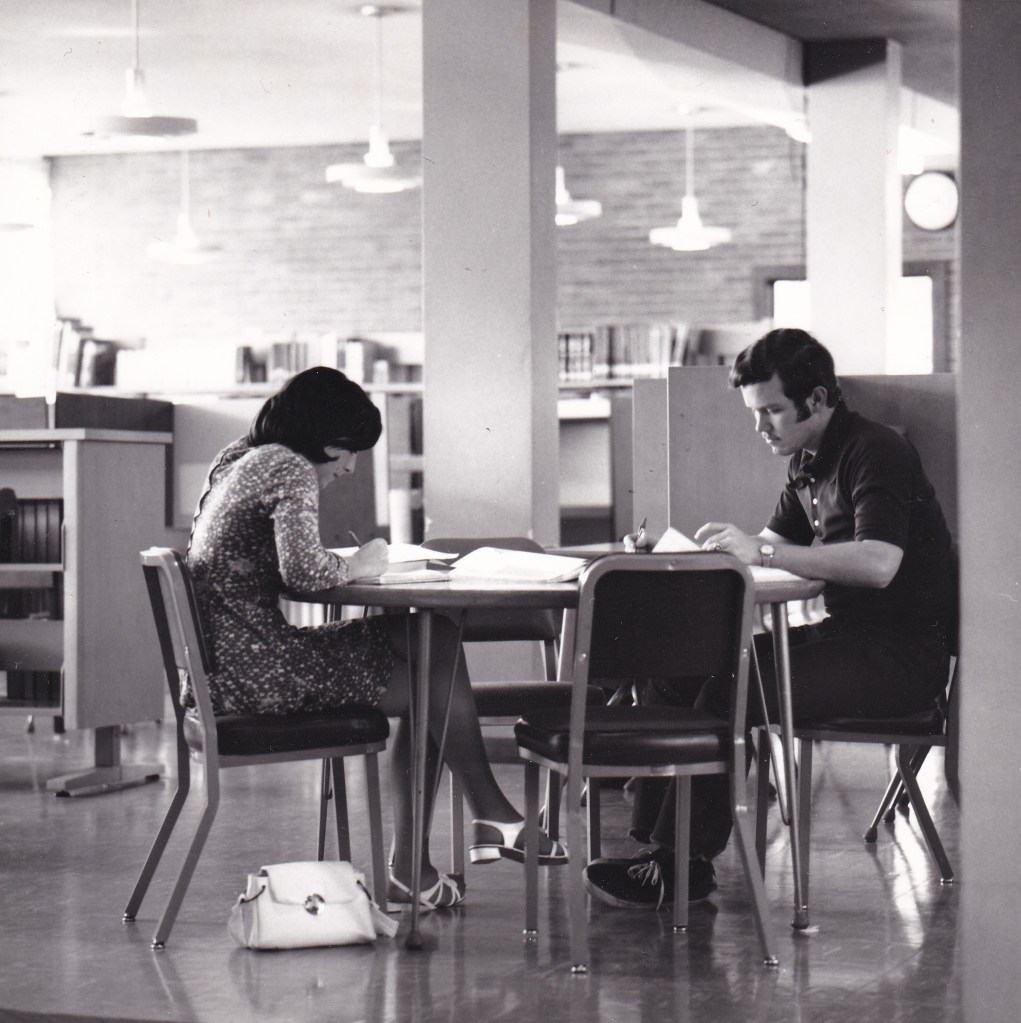
1973 view of students in the old Hester Memorial Library 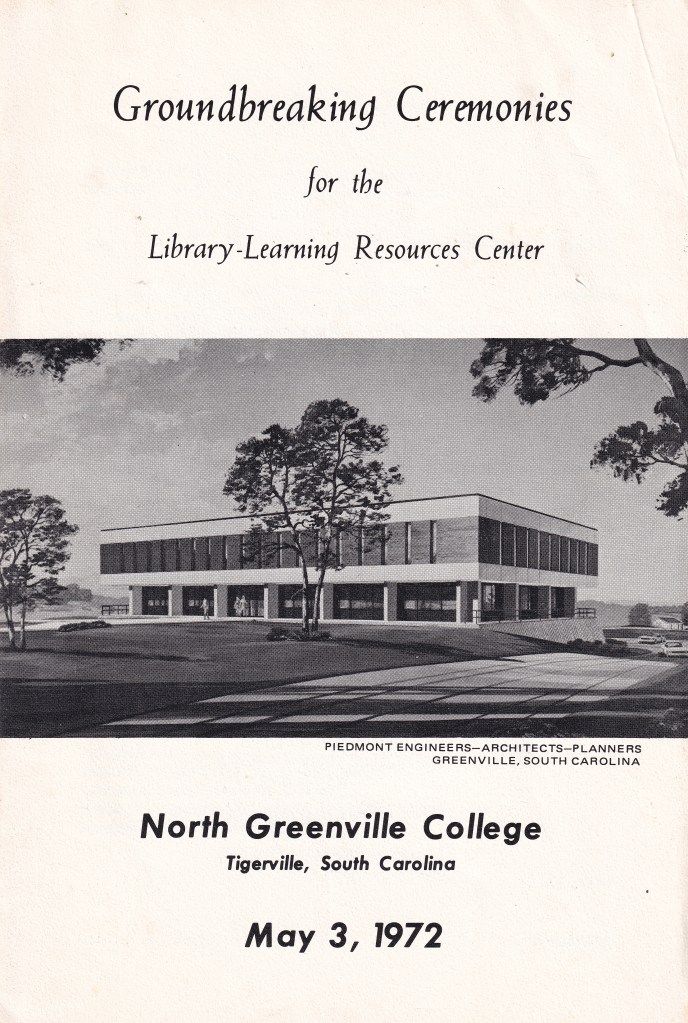
The Groundbreaking Program for the new library 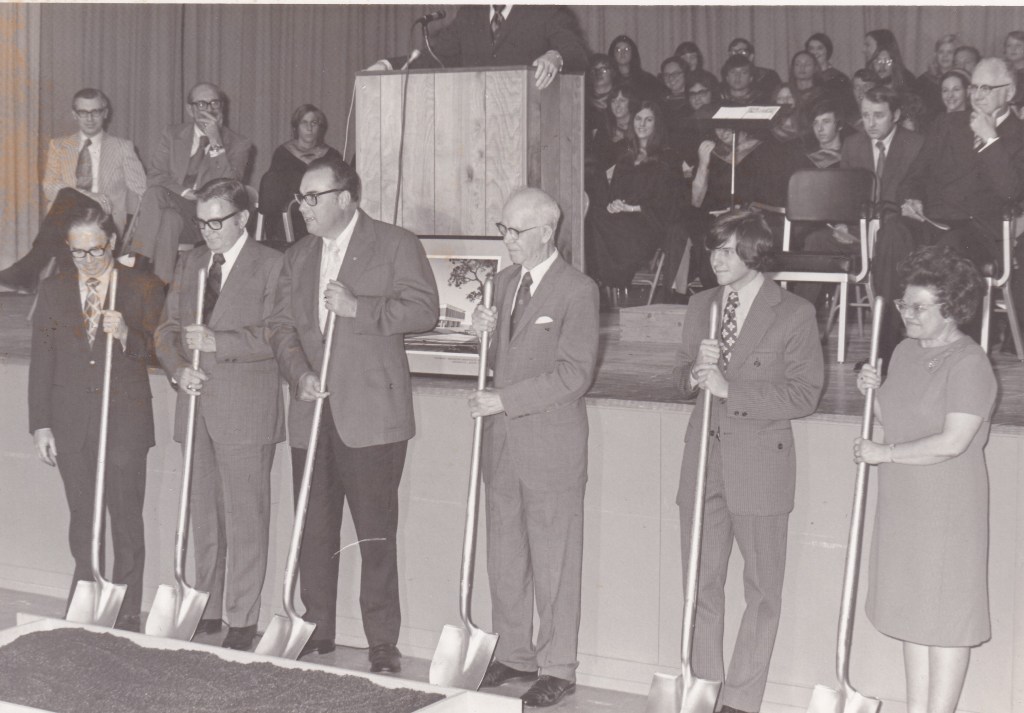
The groundbreaking ceremony for the new library 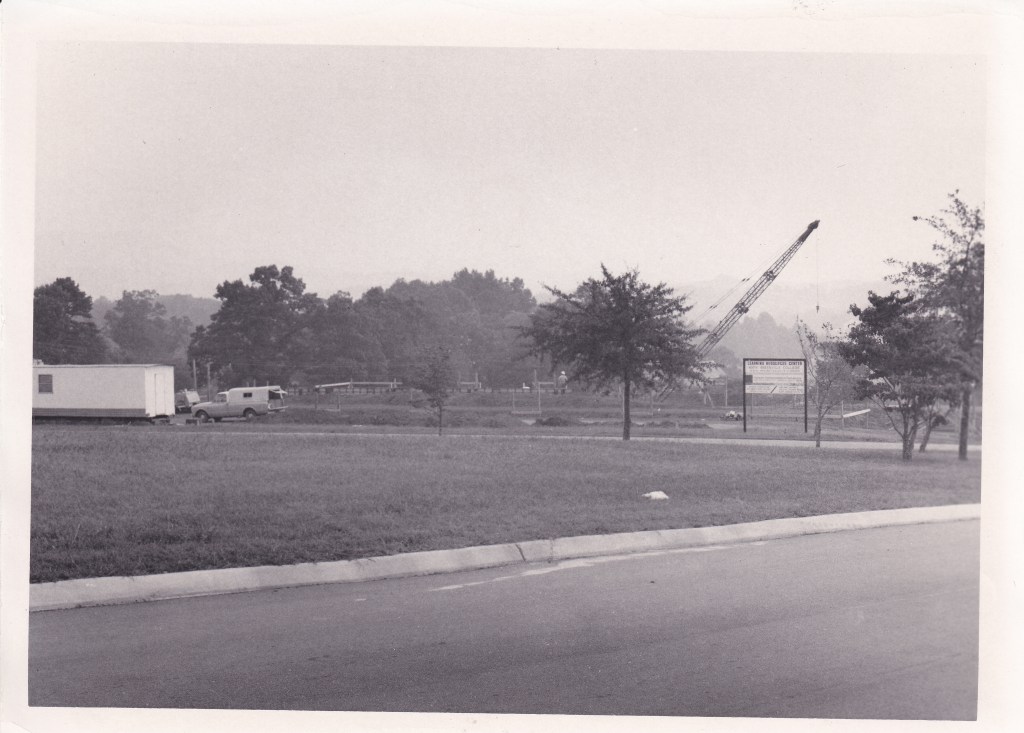
1972 Construction 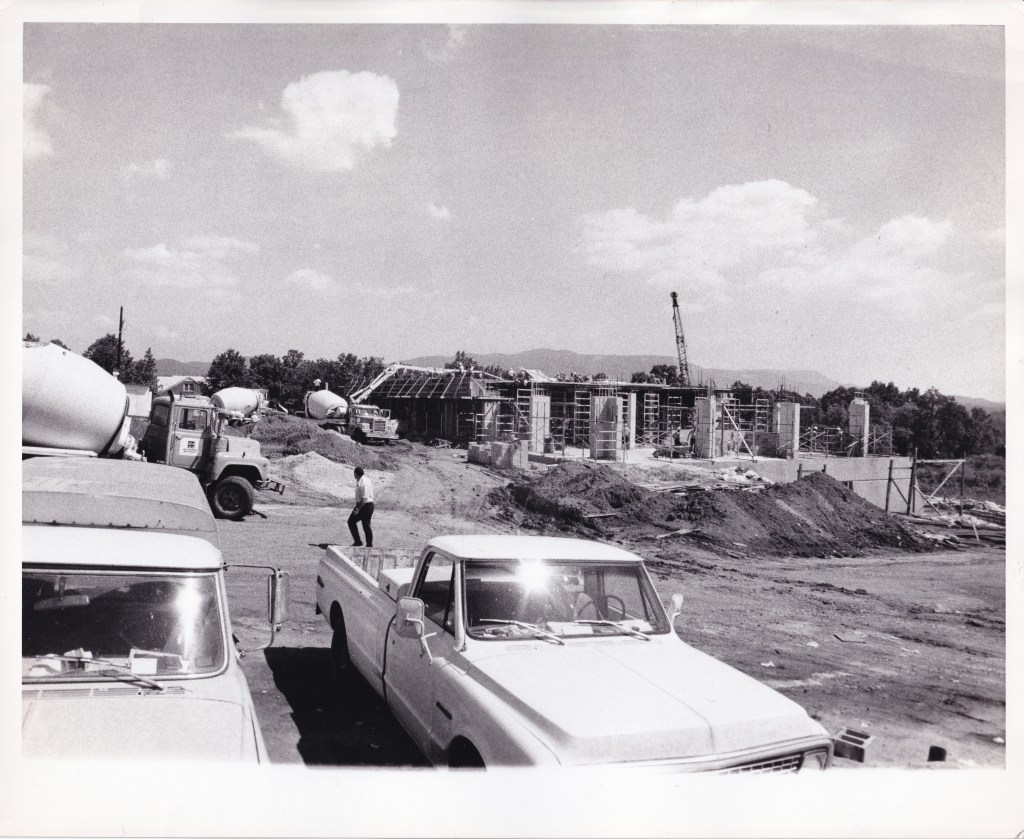
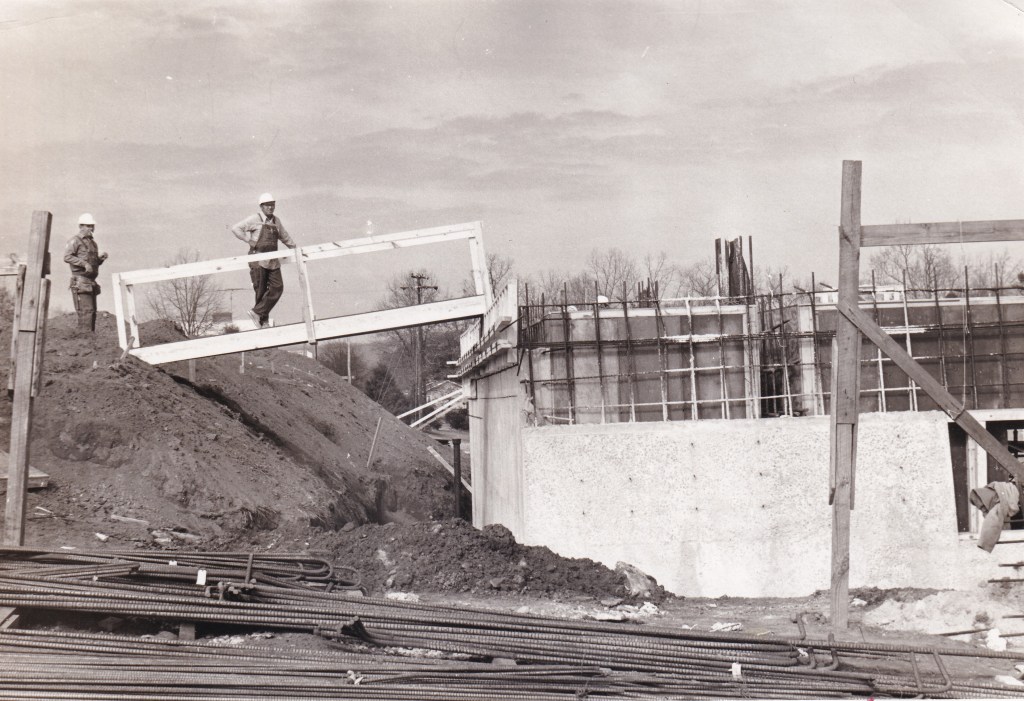
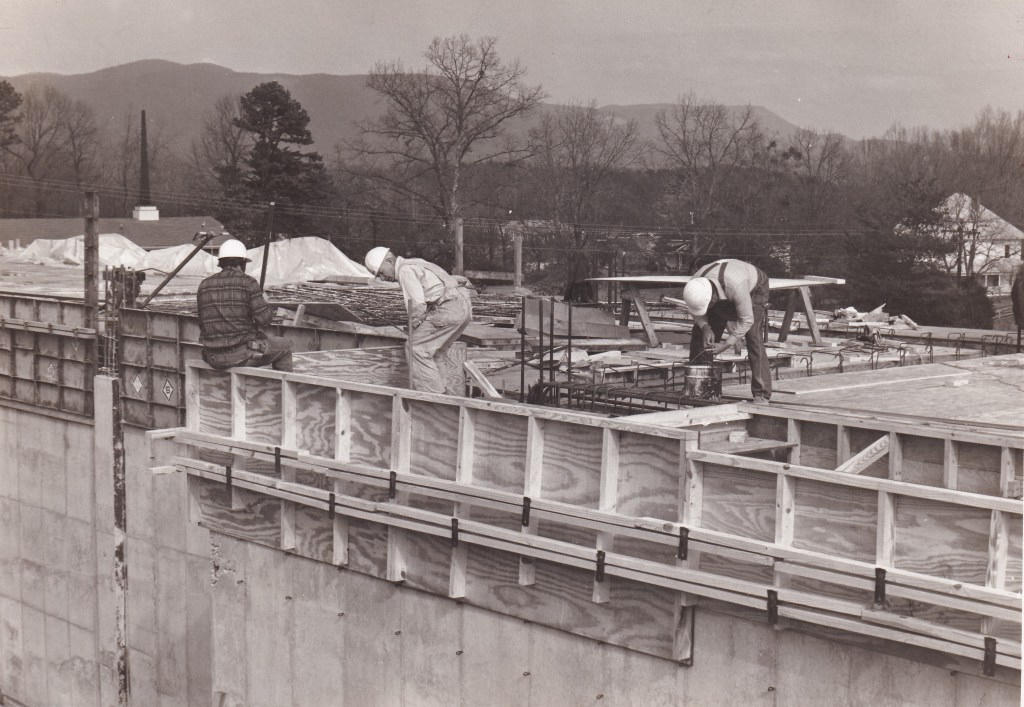
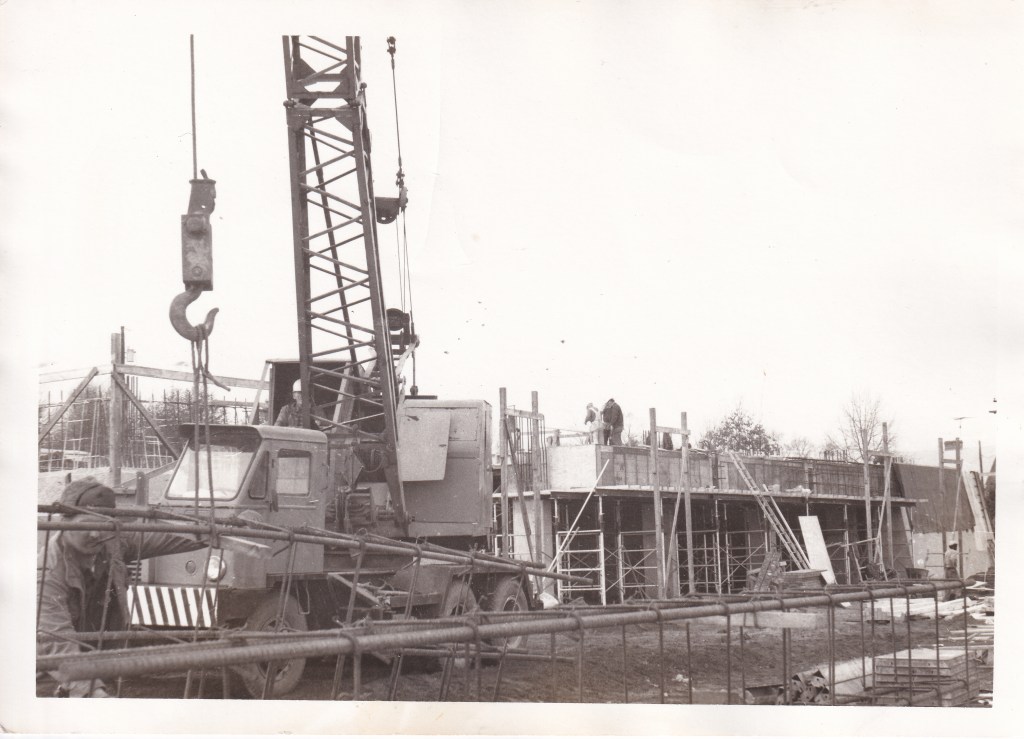
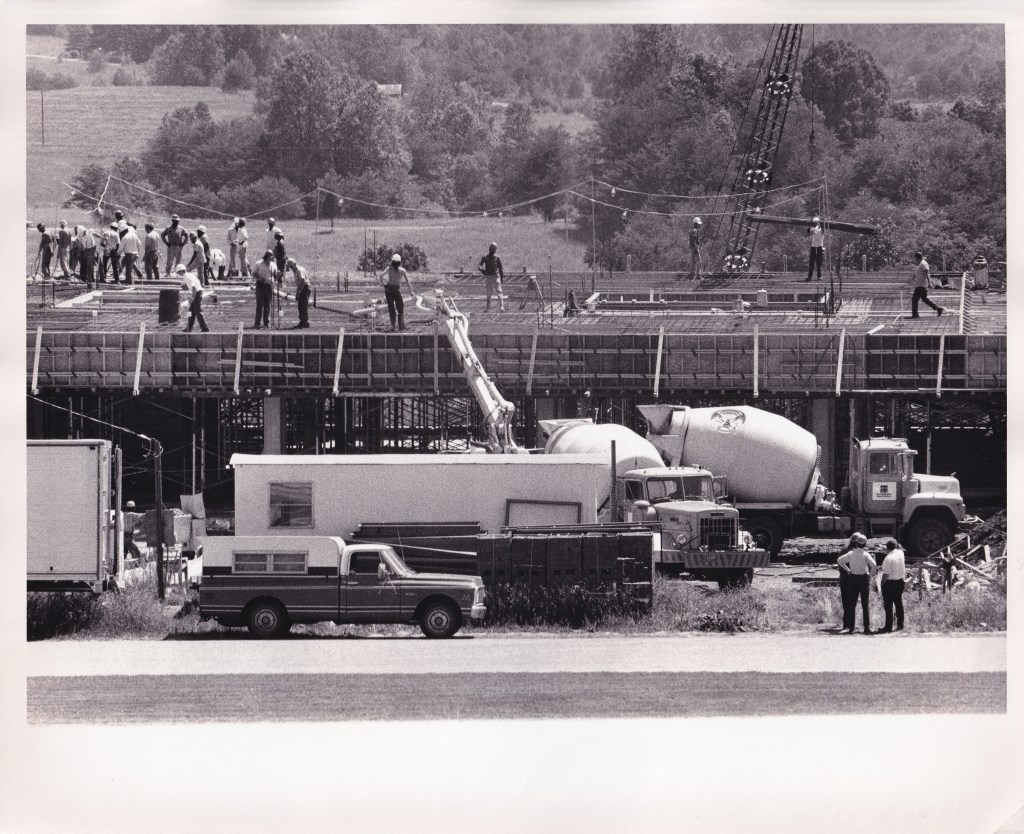
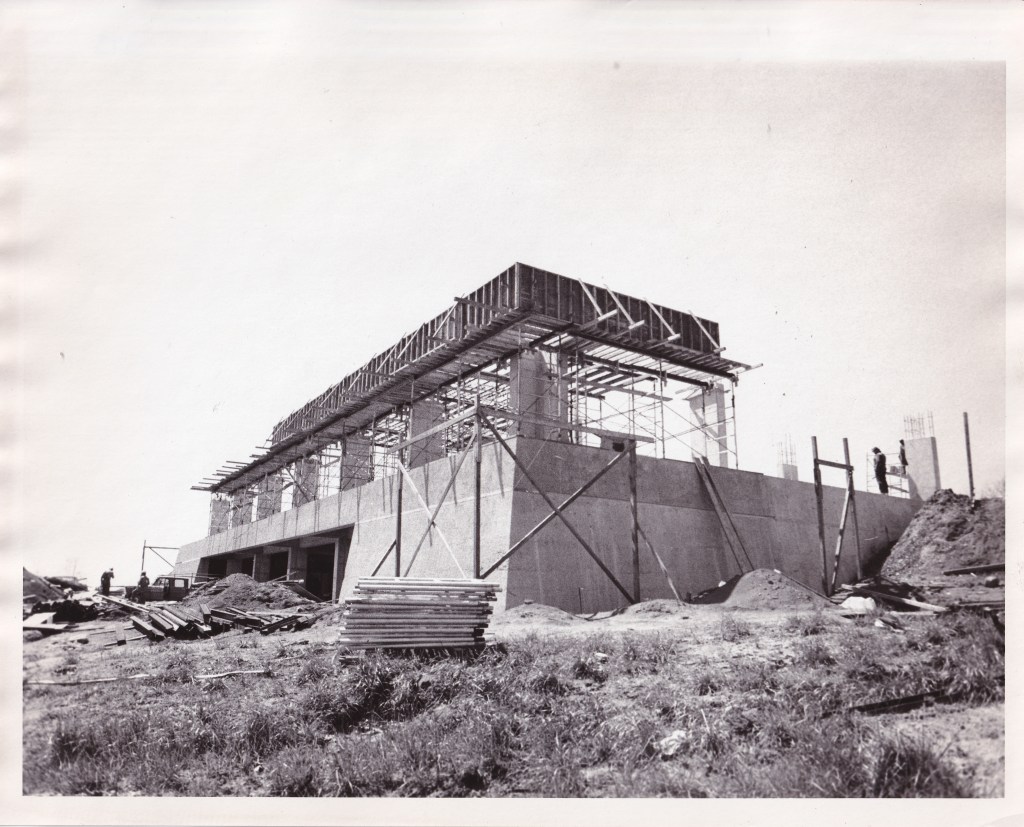
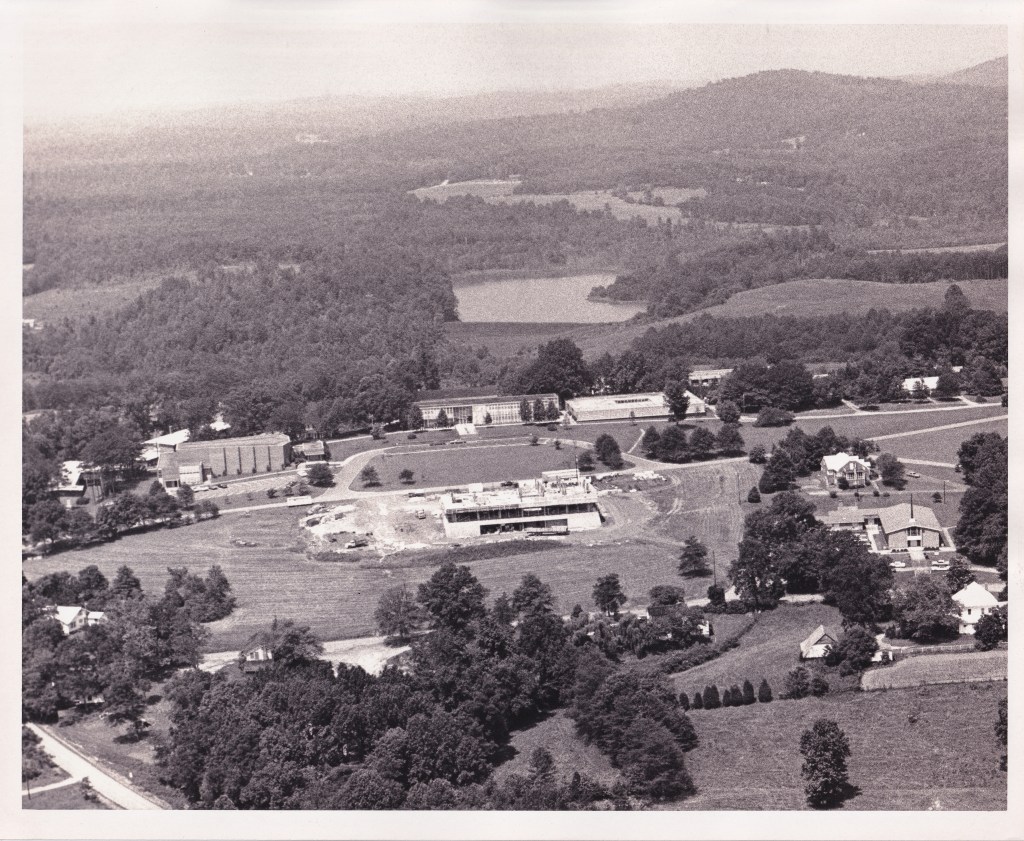
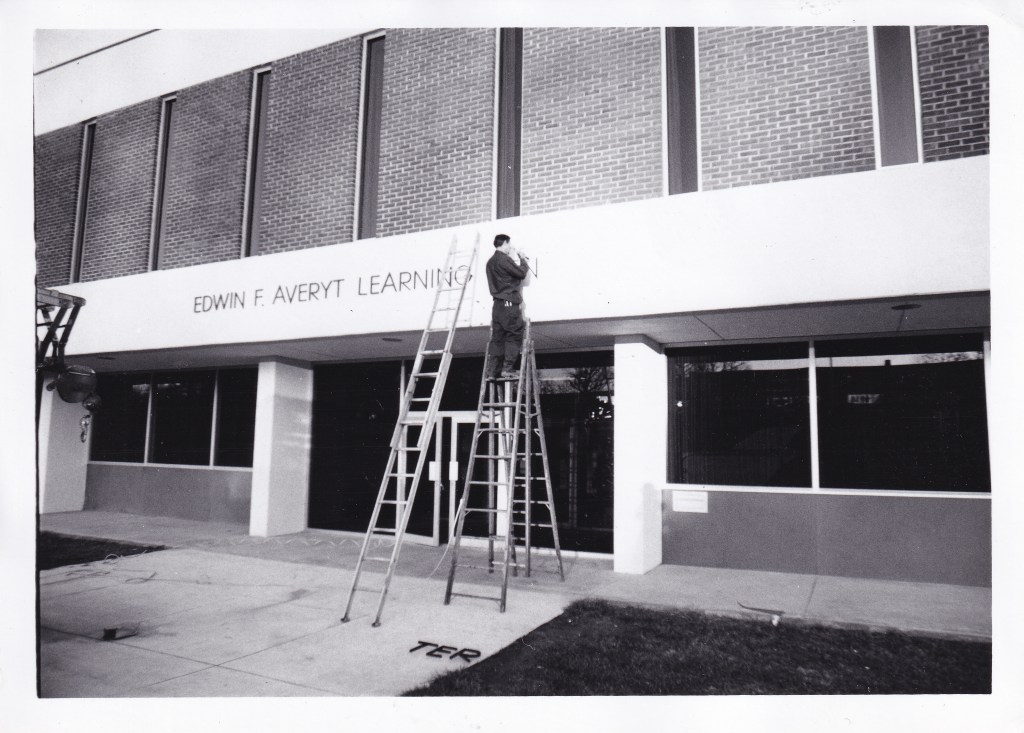
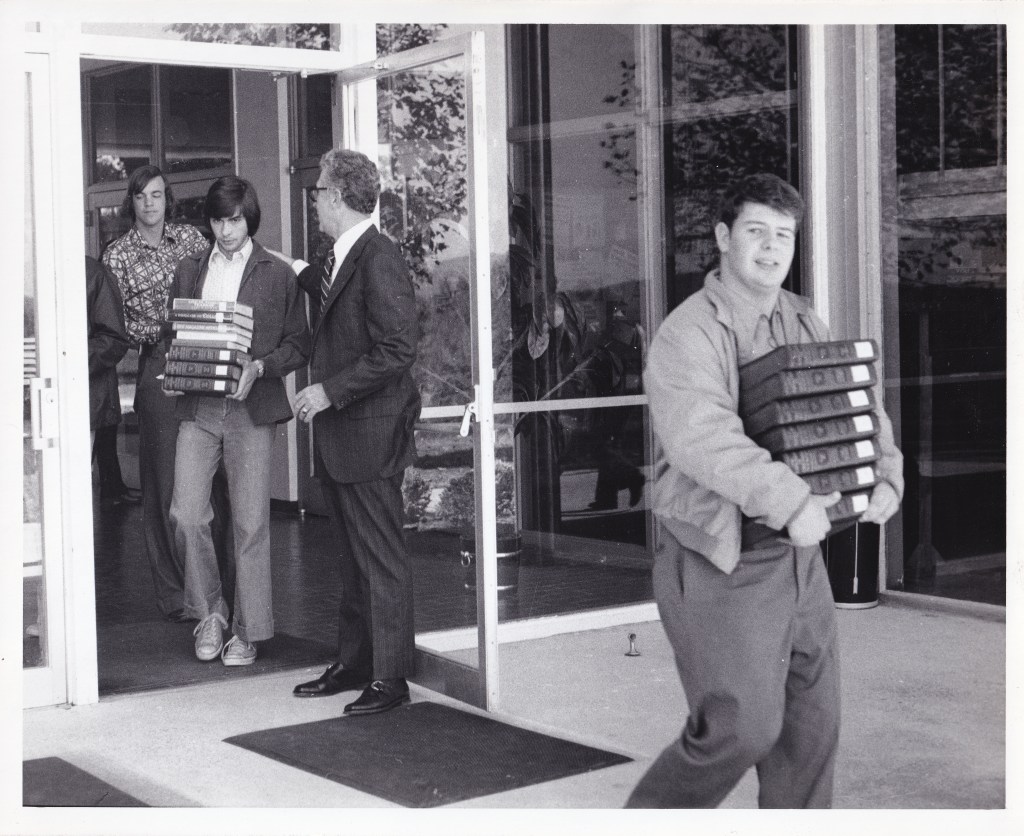
1974 Book Brigade from the Donnan Administration Building to the new Averyt Learning Center 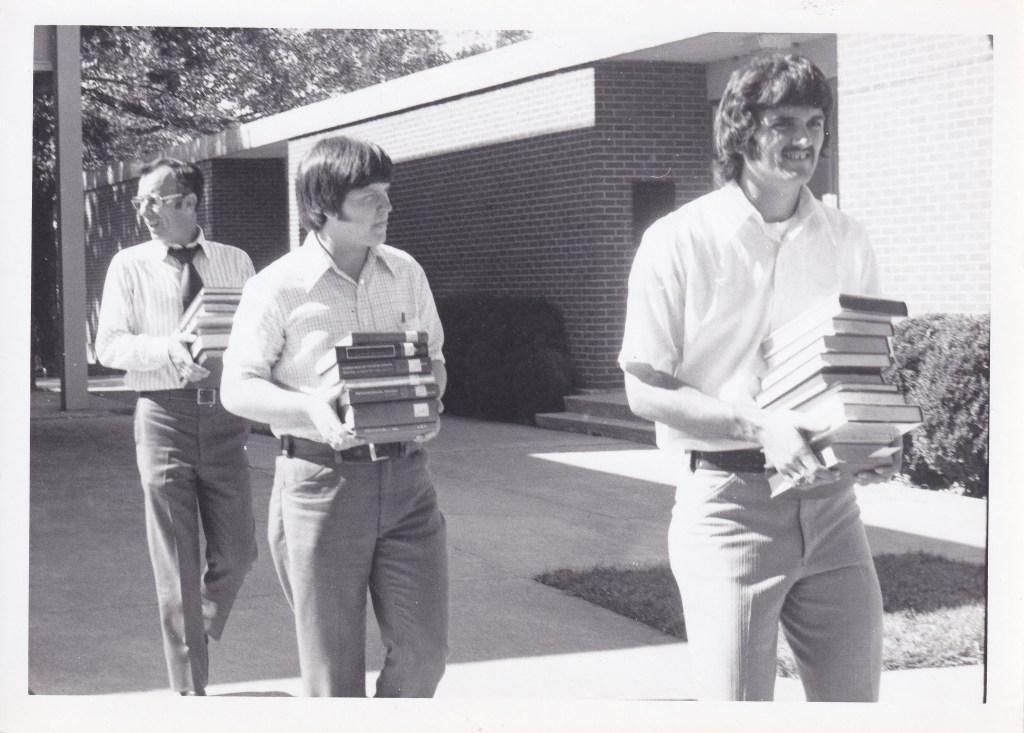
1974 Book Brigade from the Donnan Administration Building to the new Averyt Learning Center 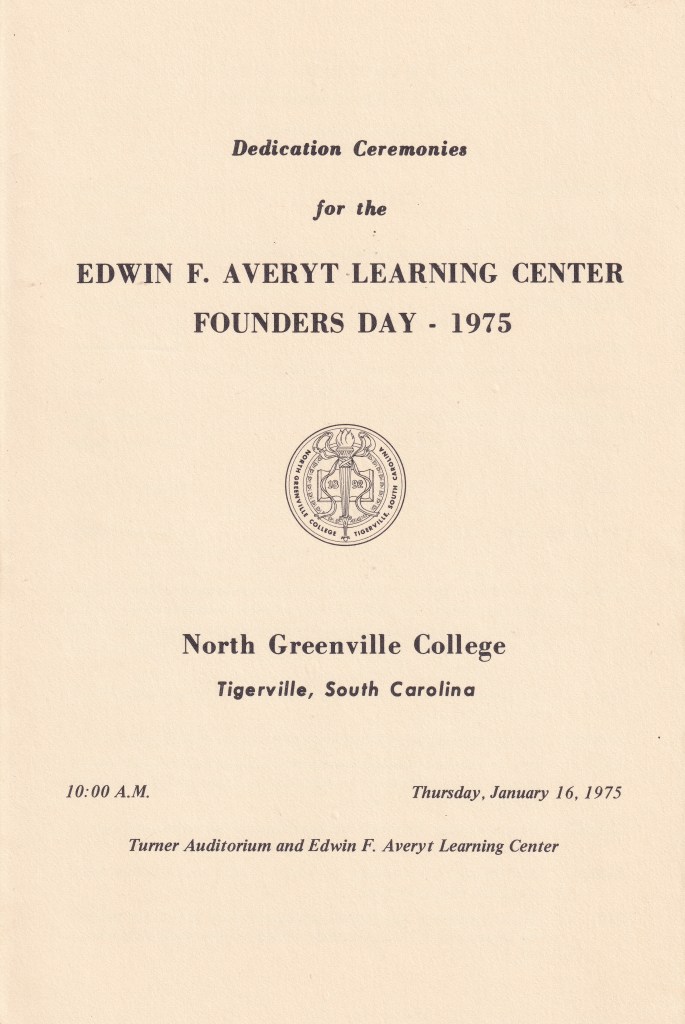
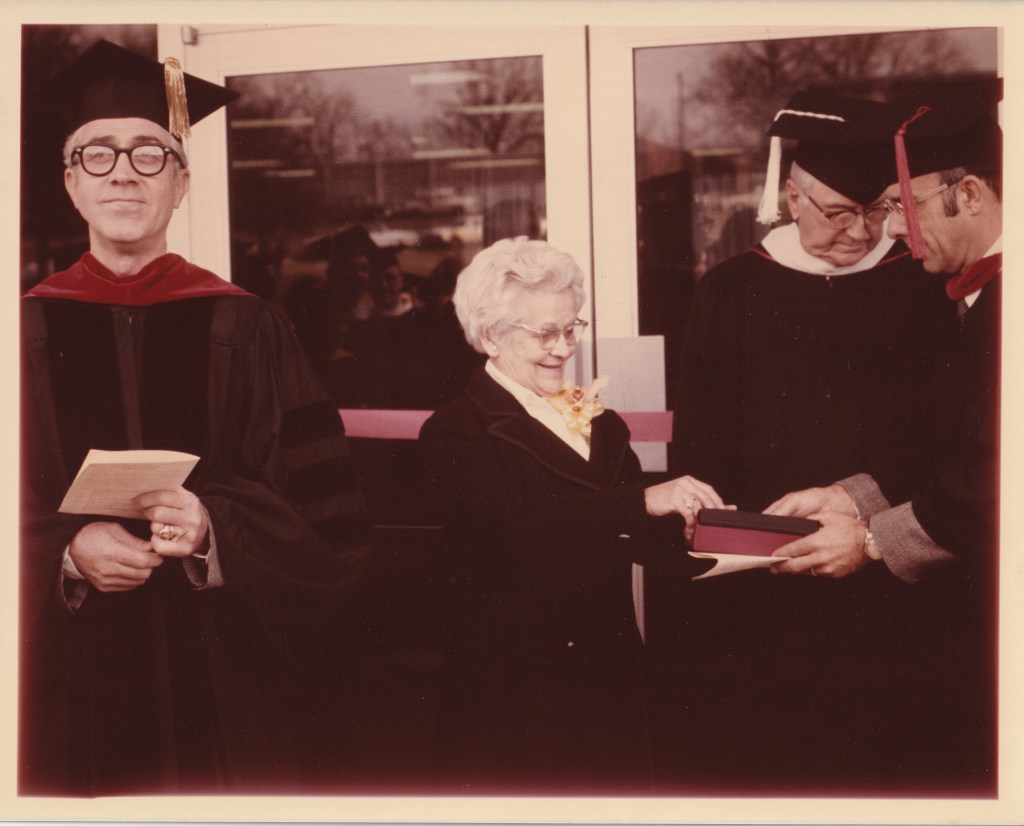
Averyt Ribbon Cutting with Dr. Lindsey and The Averyts 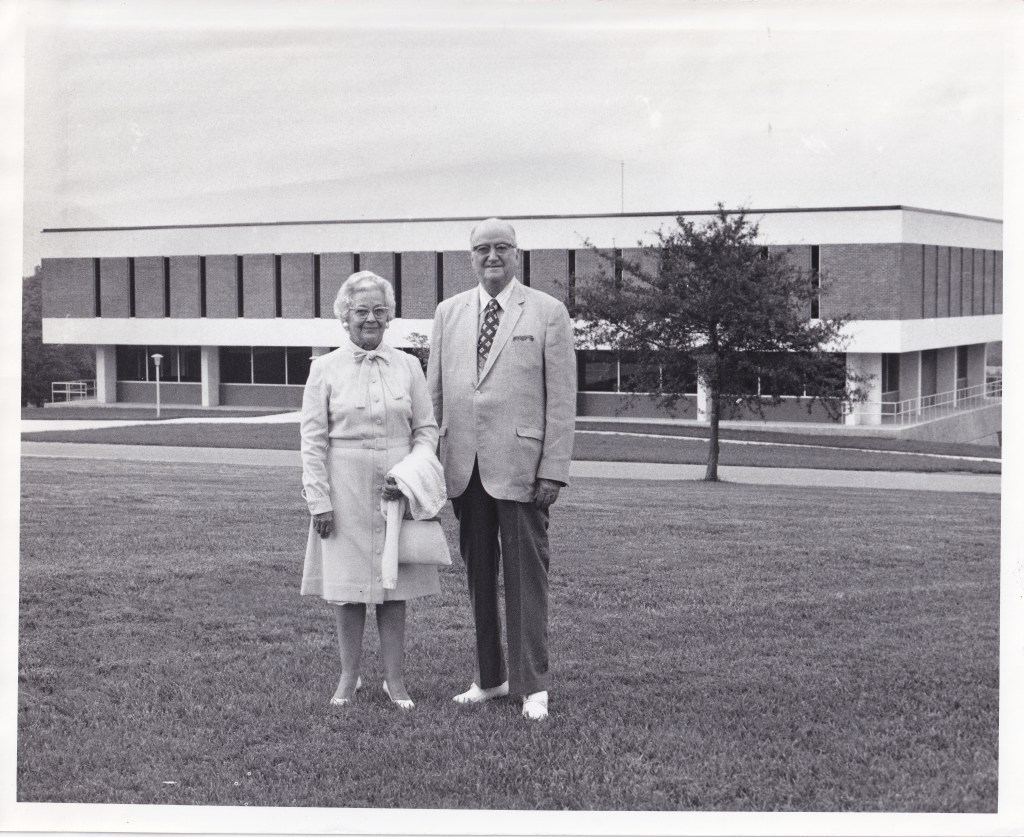
Edwin F. Averyt and Mrs. Averyt 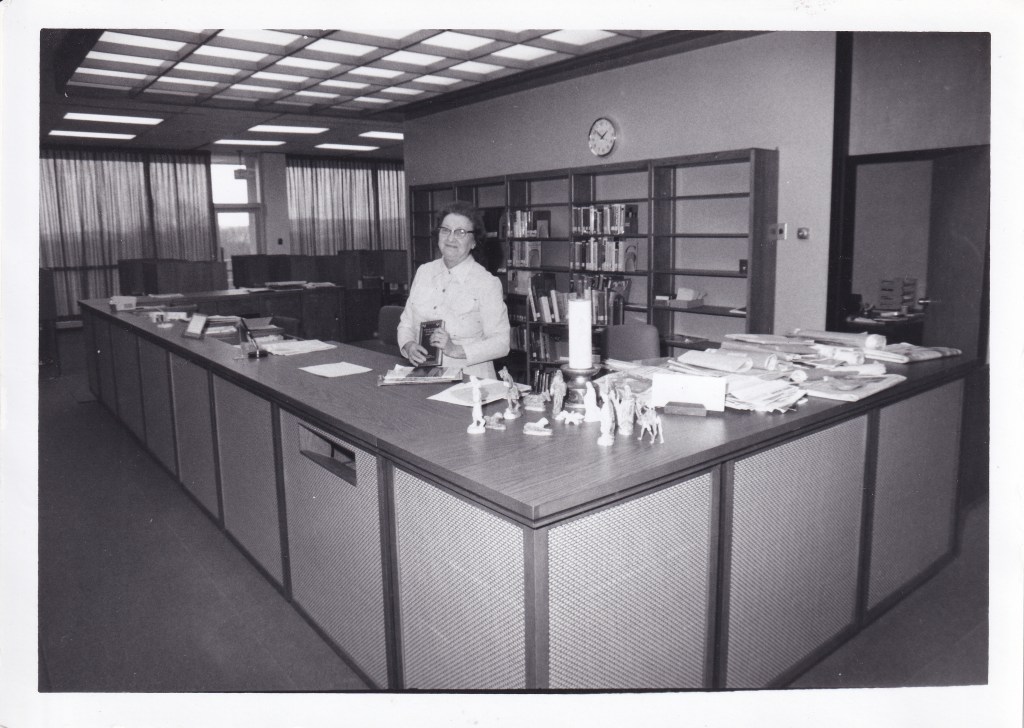
New circulation desk in the Averyt Learning Center 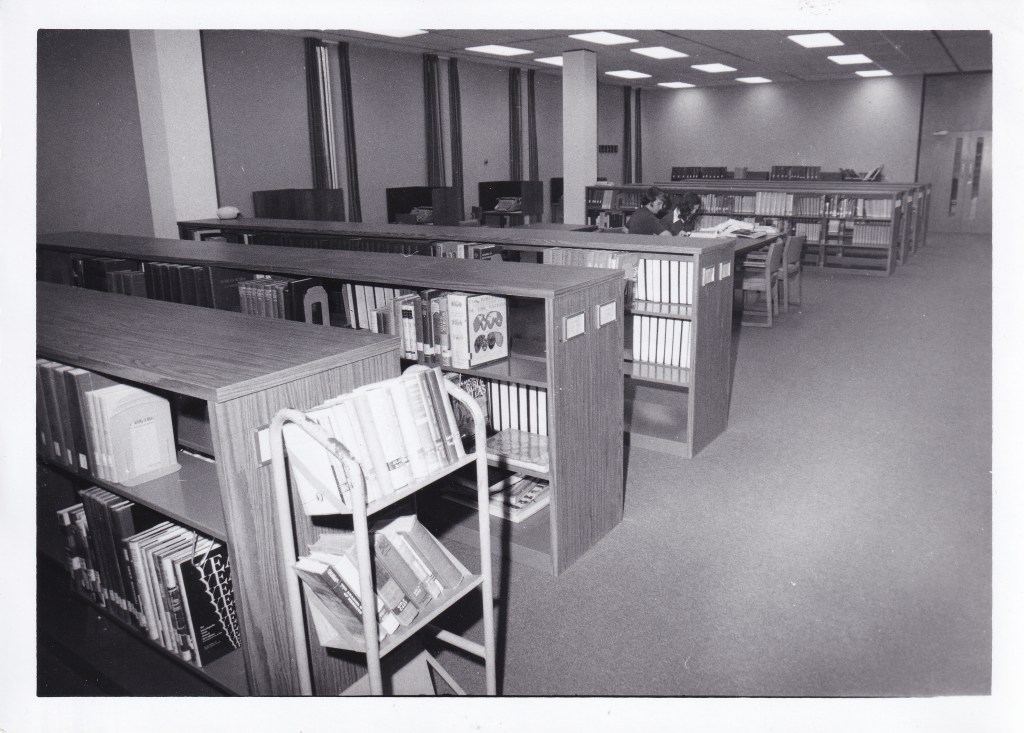
Reference 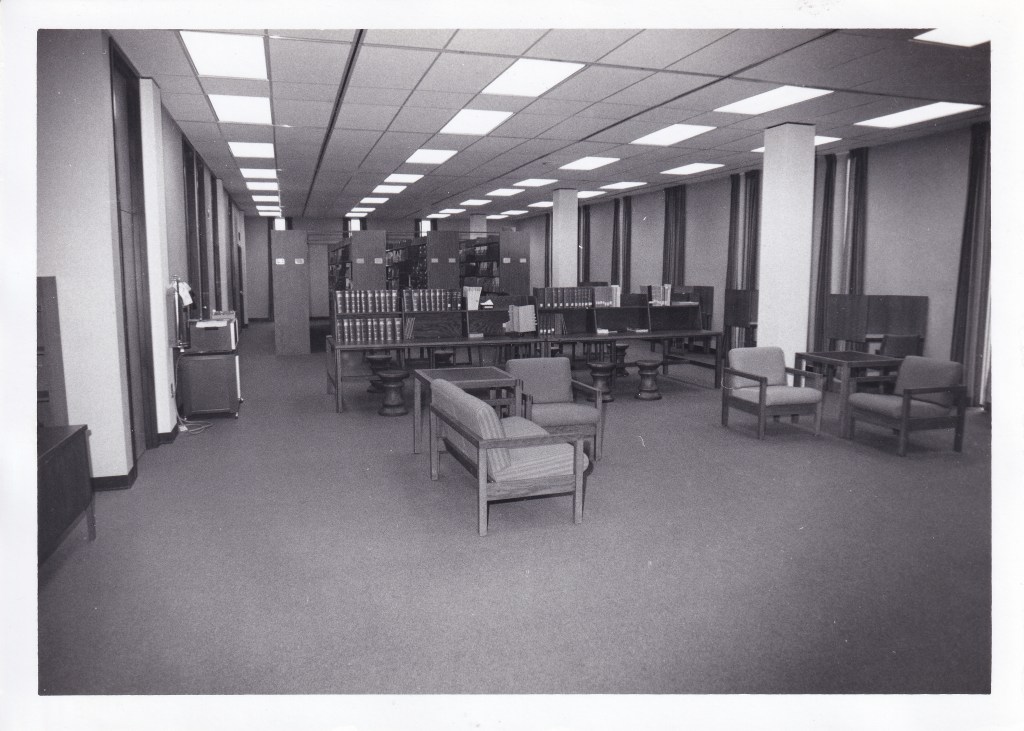
Upstairs 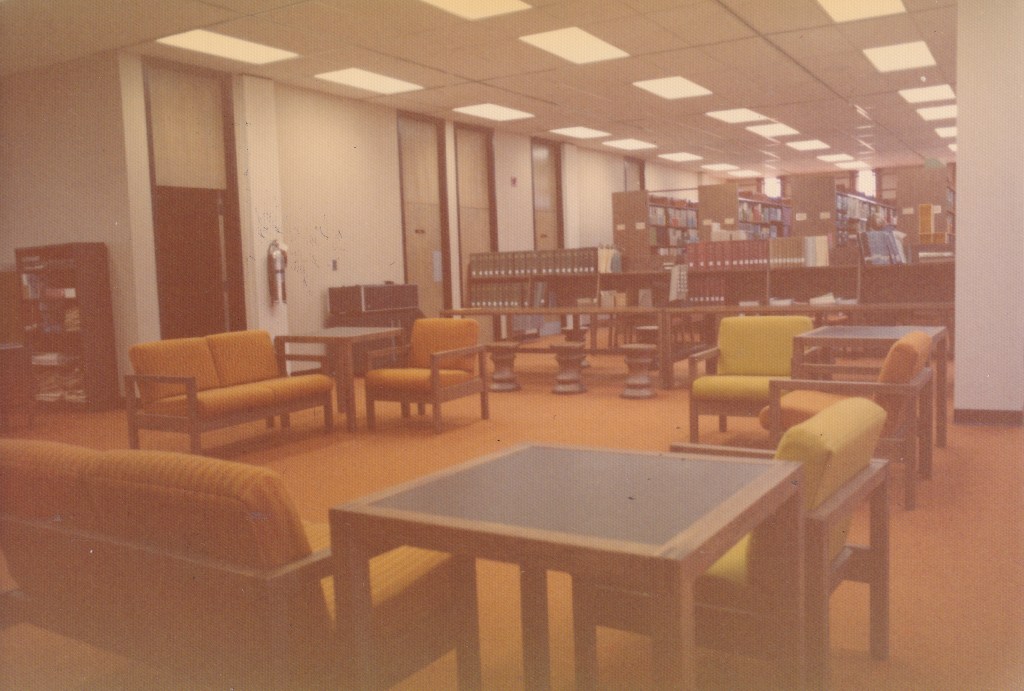
1976 view of the library’s upstairs 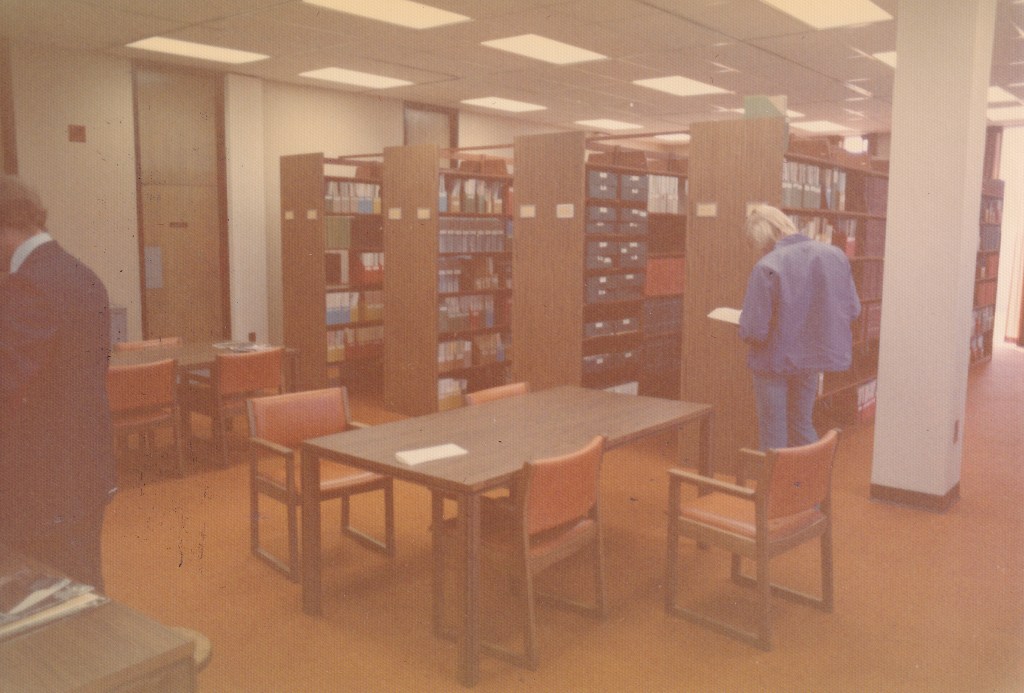
1976 upstairs in Averyt 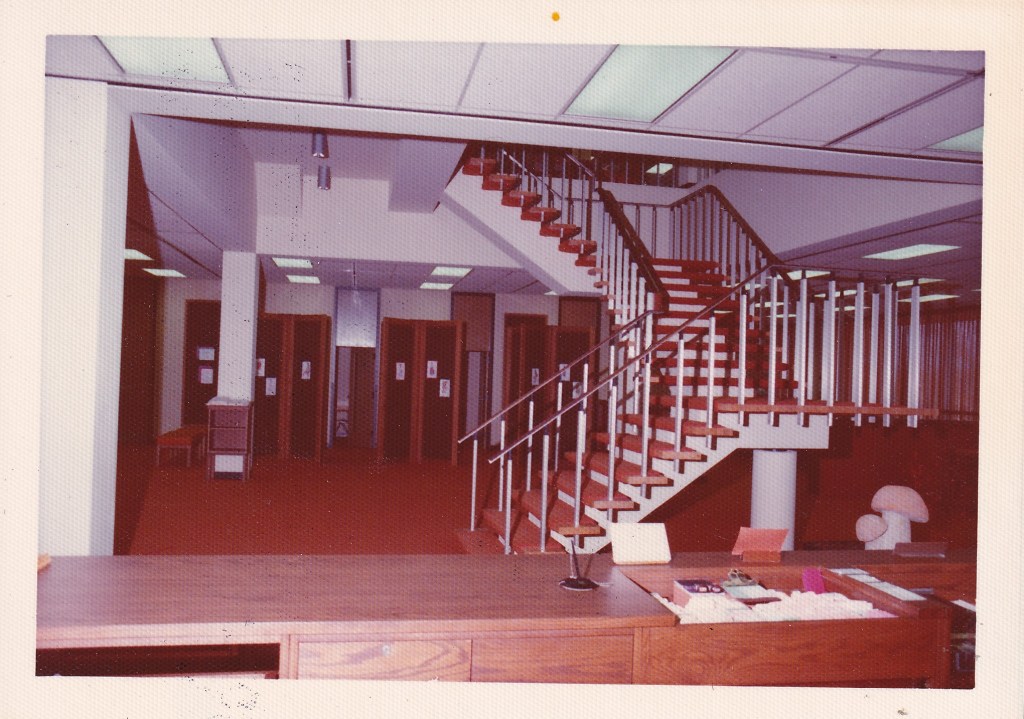
1976 view of the stairs 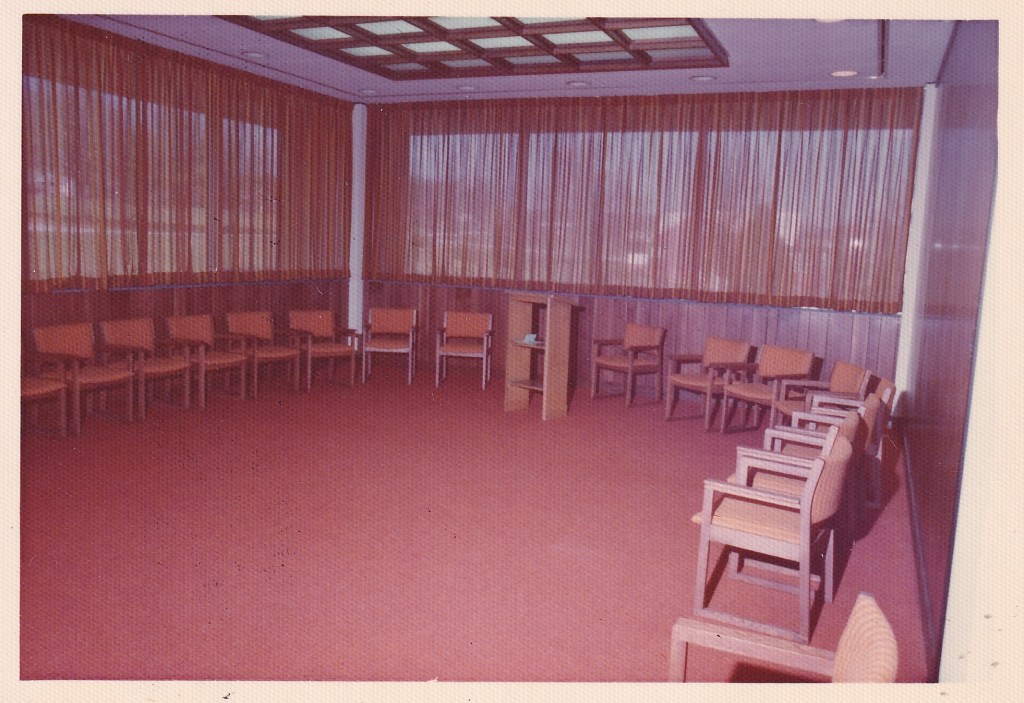
1976 Conference Room- where the Bible Museum is today 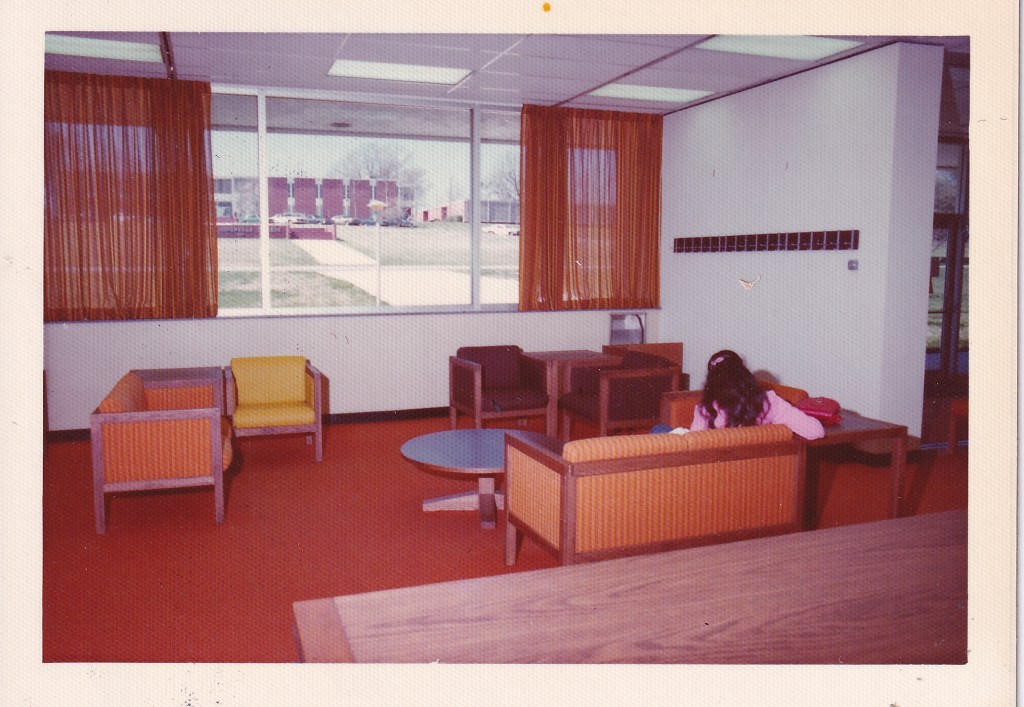
1976 view of Averyt downstairs 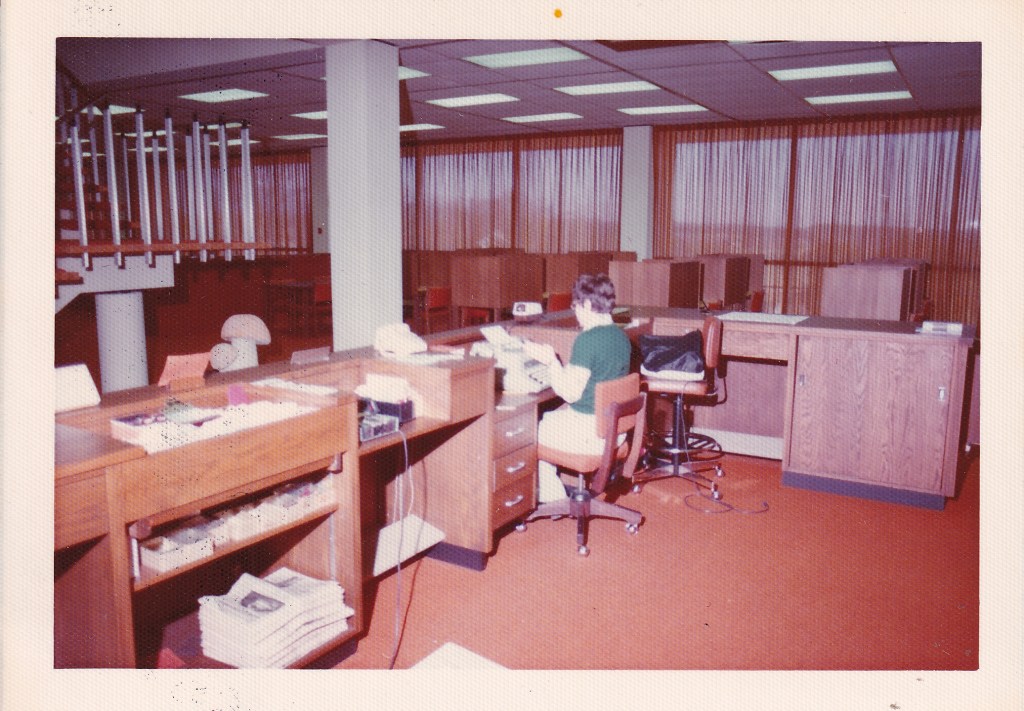
1976 view from behind the circulation desk 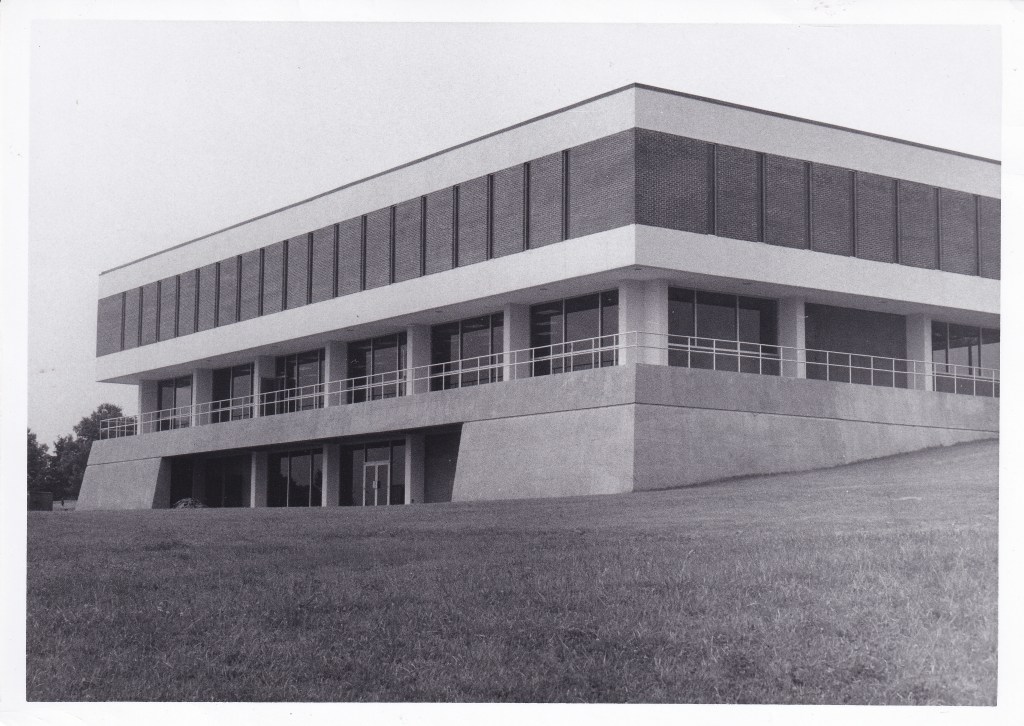
1973 view from behind Averyt before the parking lot was extended around the building 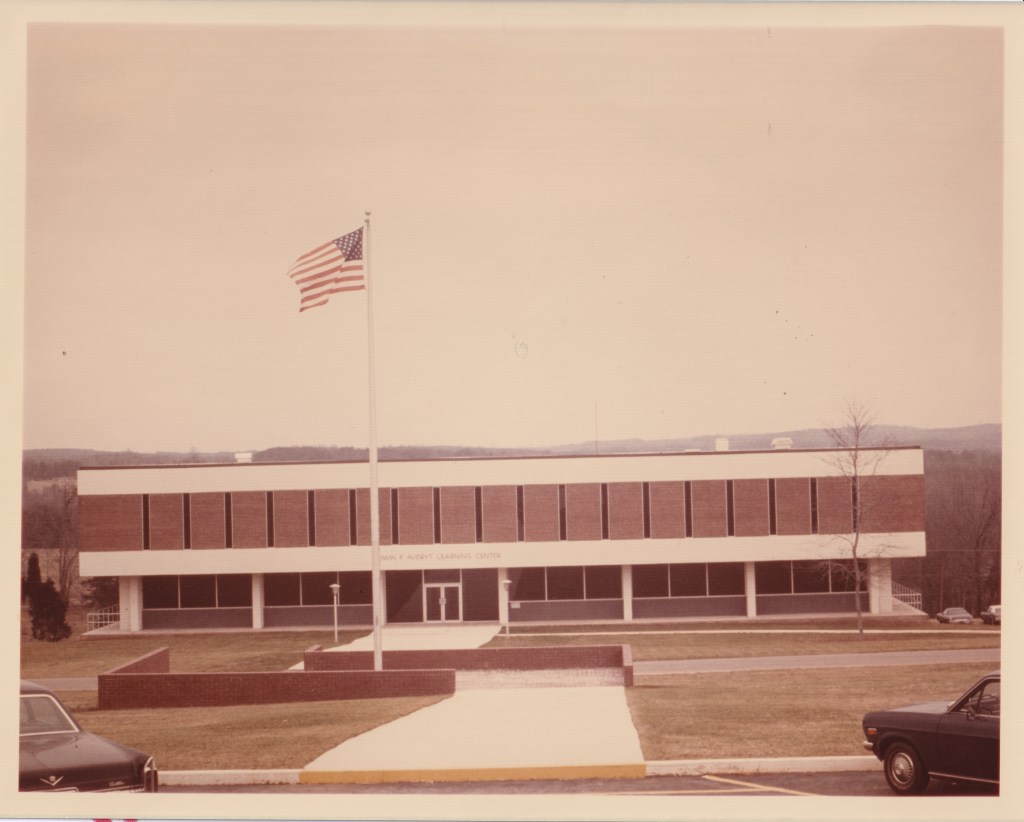
1970s Averyt Learning Center 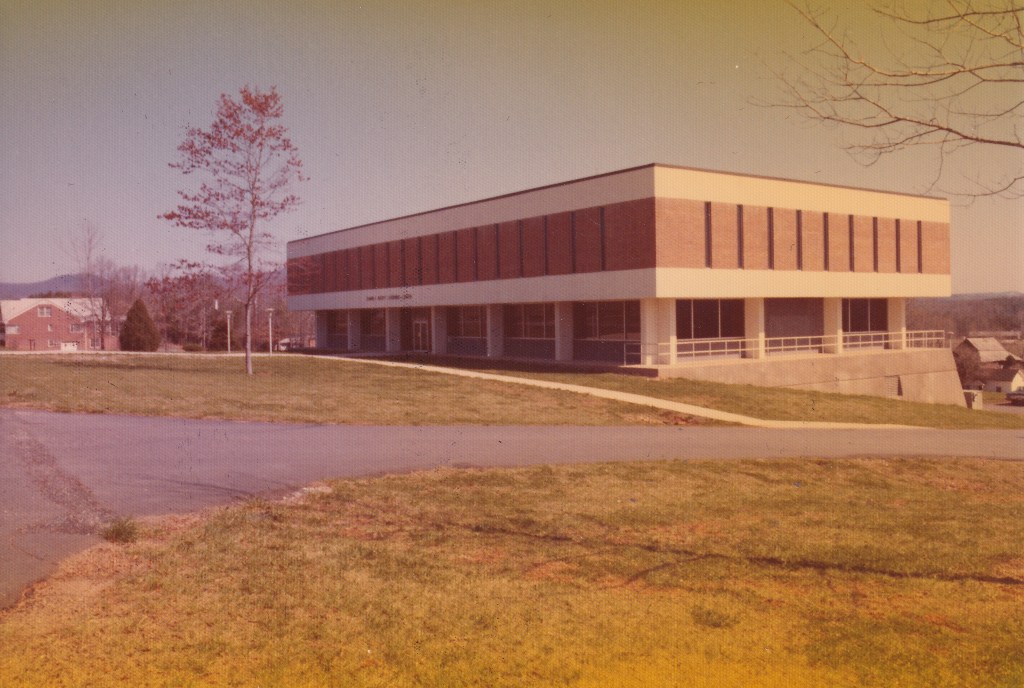
Averyt Learning Center in 1976 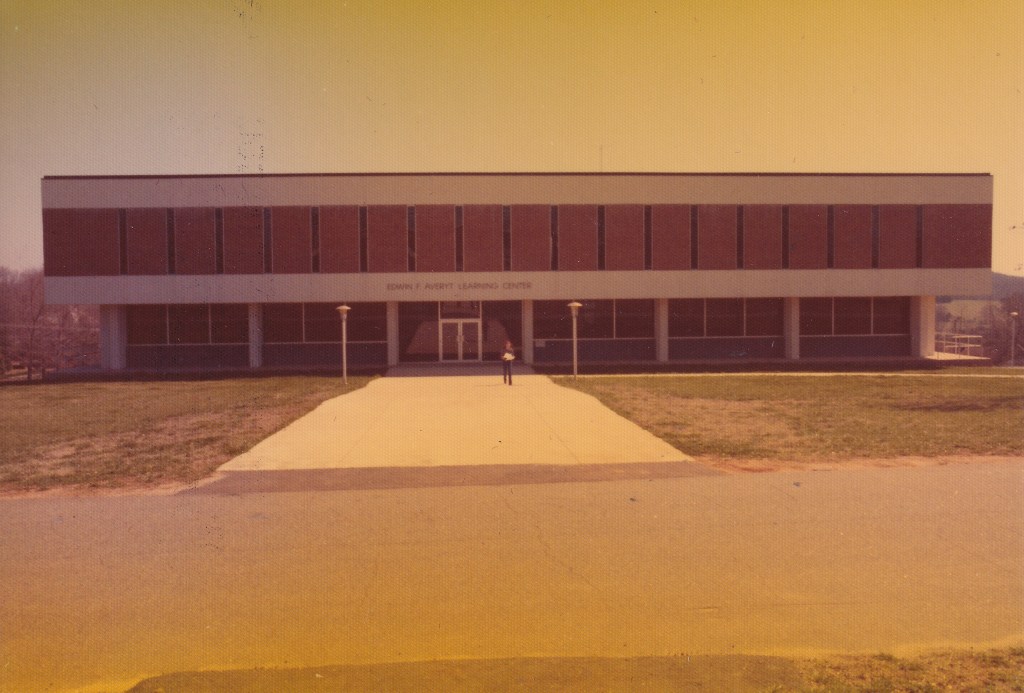
Averyt Learning Center in 1976 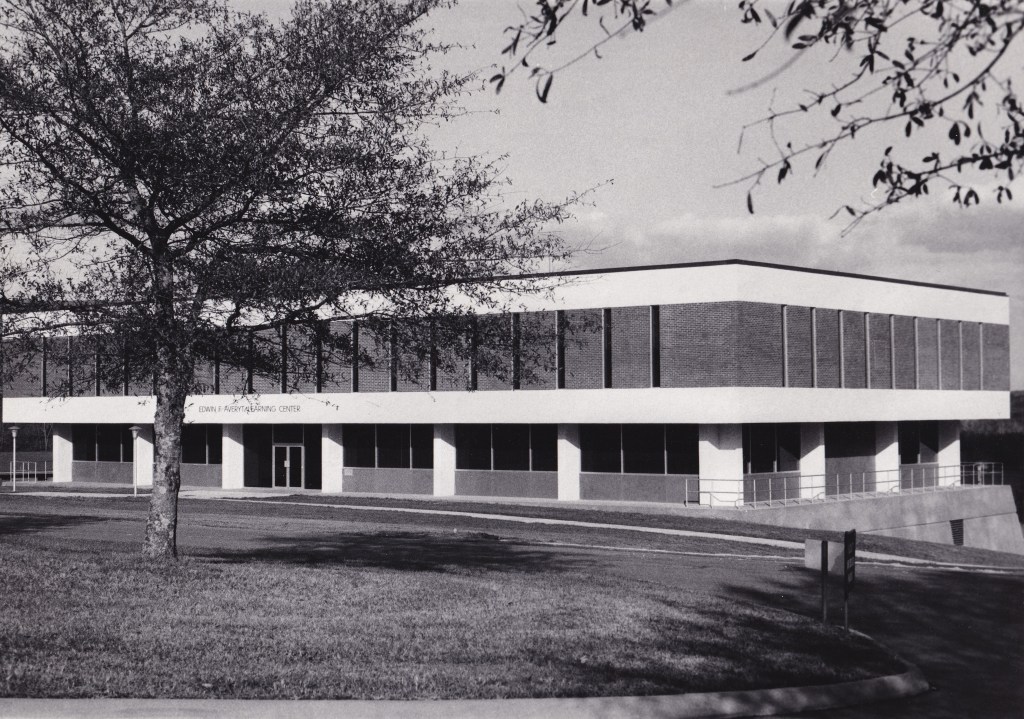
Averyt Learning Center in the 1980s 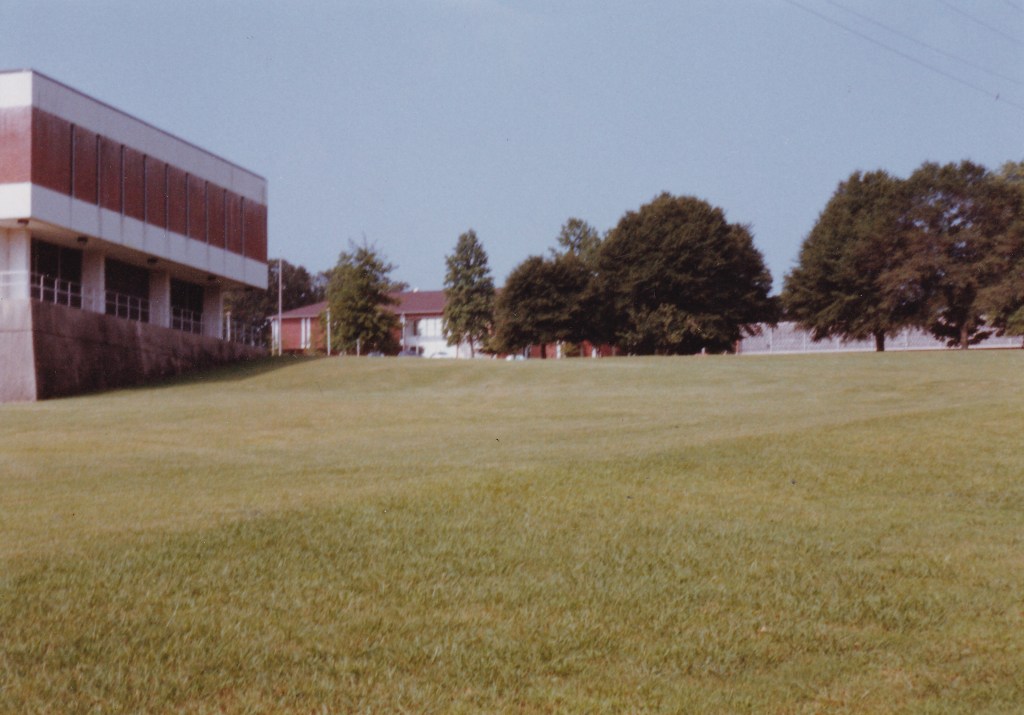
Summer of 1989 before the parking lot was extended around the building 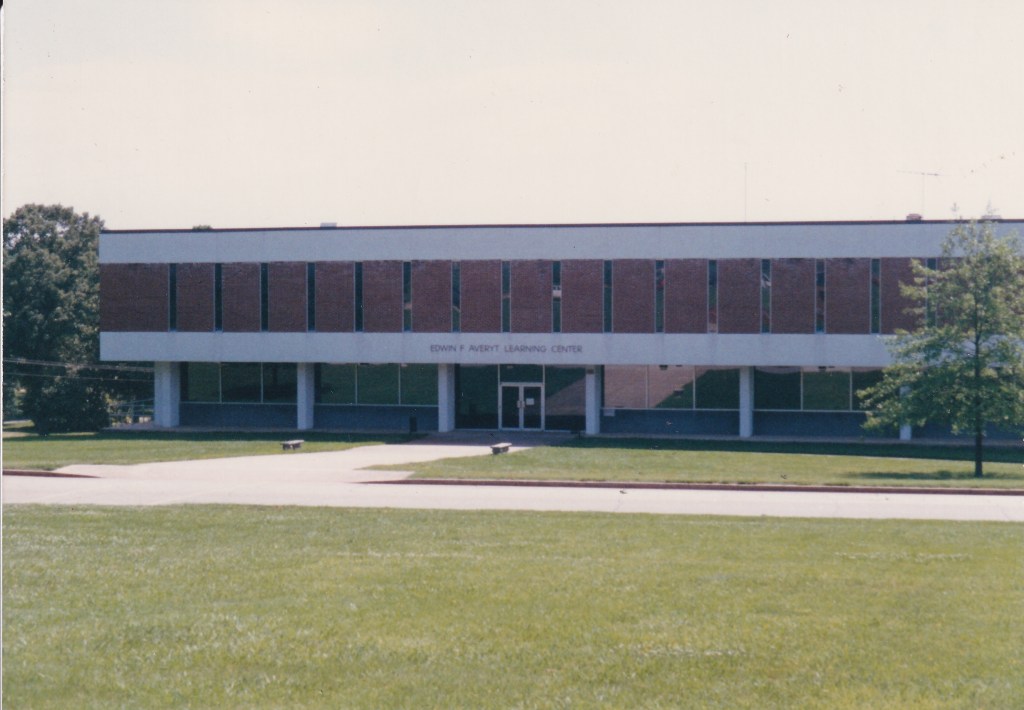
Spring 1993 view of Averyt 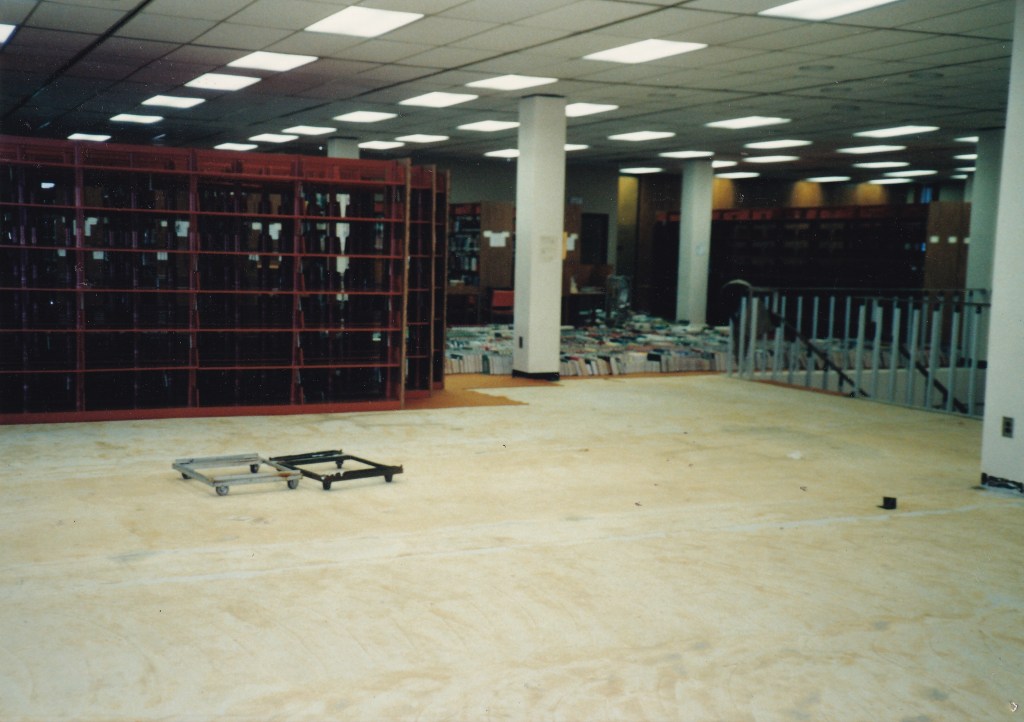
The carpet being replaced in 1994 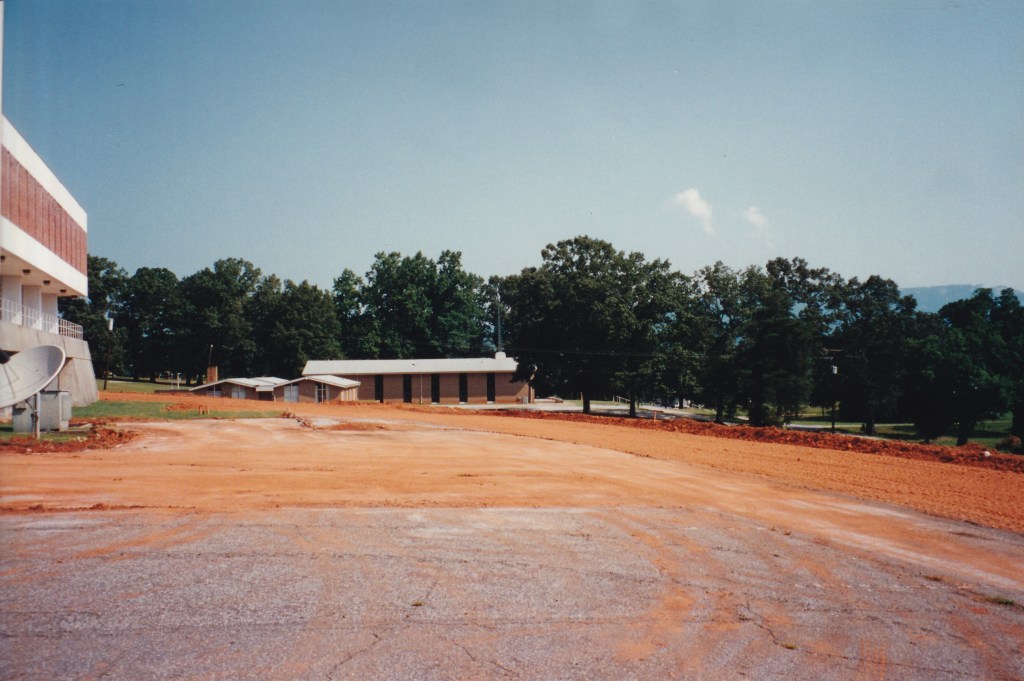
The 1995-1996 parking lot extension 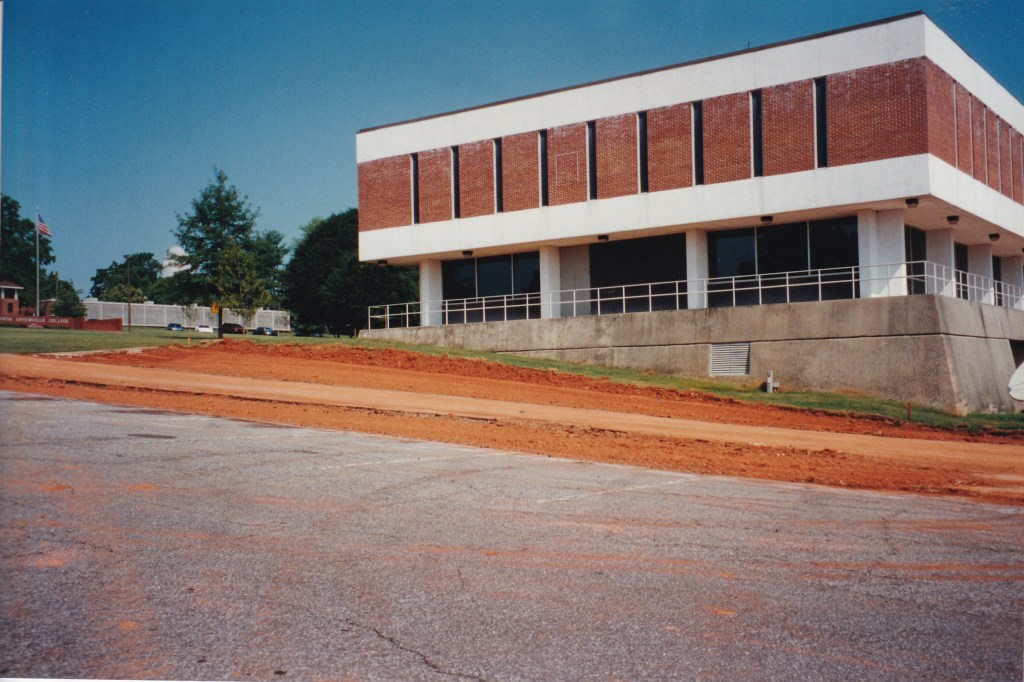
The 1995-1996 parking lot extension 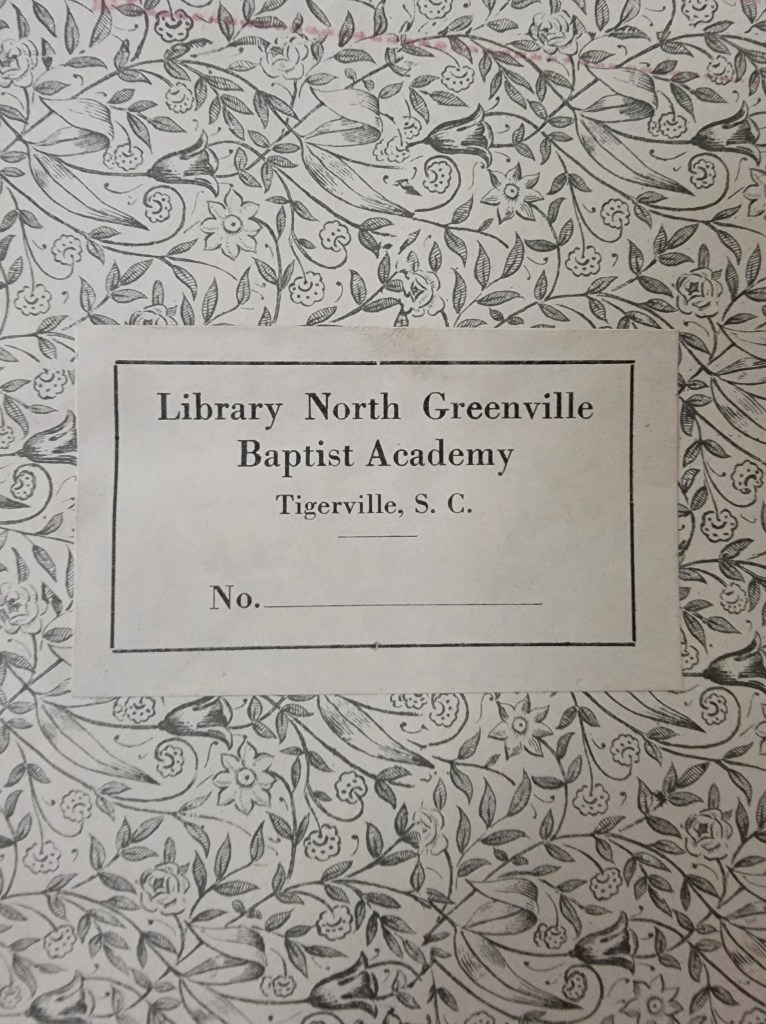
A North Greenville Baptist Academy book plate from one of the oldest books in the library’s collection 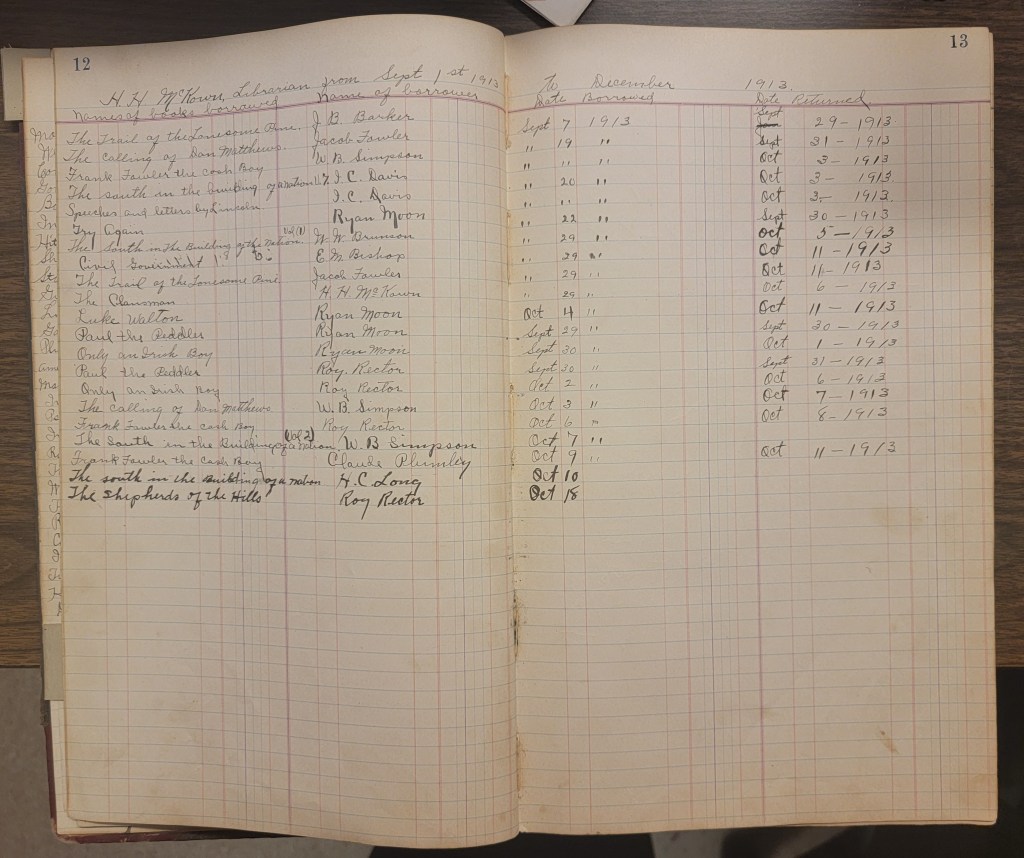
A page from the 1911-1914 ACH Literary Society’s Library Journal 
 From These Roots
Leave a comment