
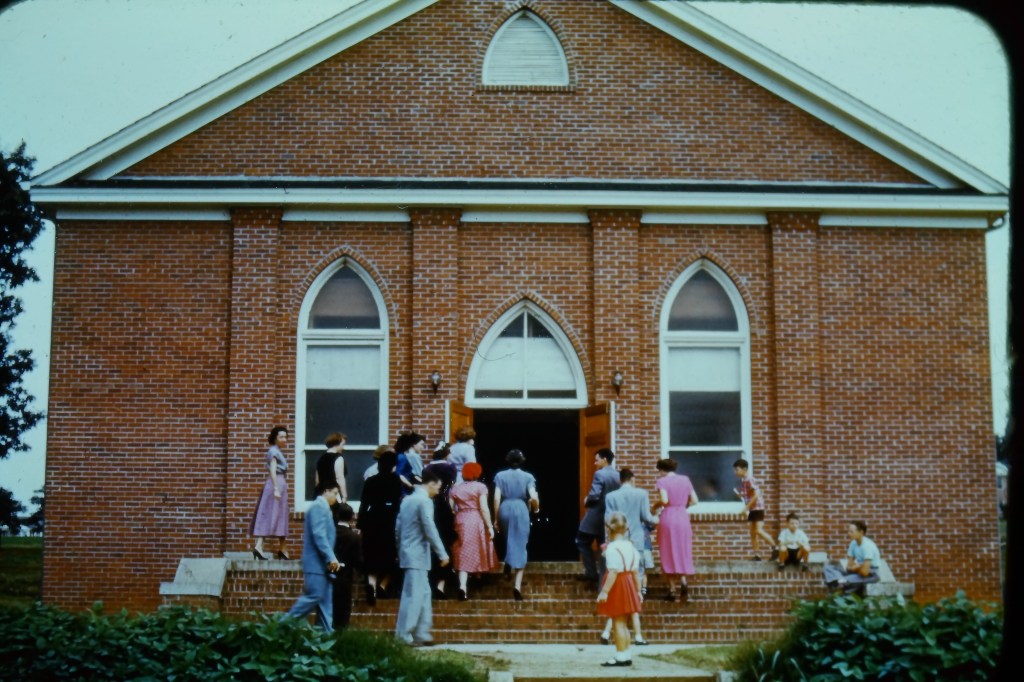
Tigerville Baptist Church sits on the corner of the North Greenville University campus and for many years was the main church most students, faculty, and staff attended. The church’s roots go back to the founding of North Greenville when the first principal, Hugh L. Brock, started regular prayer meetings for the male students in 1893. At the time, the closest church to campus was Tyger Baptist Church which sits on Highway 414 about 1.4 miles away. Students would often walk to church or catch rides with local families like the Roes, but bad weather days made going to church difficult. The Rev. I.W. Wingo, a former pastor at Tyger Baptist Church, for many years would preach twice a month at Tyger and twice a month in the North Greenville auditorium.
Eventually, students held Sunday School on campus each Sunday morning and participated in Baptist Young People Training Union meetings on Sunday nights. During the week, the men had Royal Ambassadors and the women met in their Hasseltine Circle. In 1918, the Rev. Luther B. White led in the official organization of North Greenville Baptist Church with 35 members and they met in the college auditorium. Rev. White served as pastor of the new church for a couple of years before North Greenville Baptist Academy principal, Rev. H.C. Hester took over the position. A year later, Rev. C.E. Puette was chosen as pastor of the church. Rev. Hester said of Rev. Puette at the time, “Our pastor, Rev. C.E. Puette, has been a great power for good. His coming to us as school pastor to live among the people of the community was a new departure for the school, but the results prove beyond a doubt the wisdom of such an arrangement.”
Rev. Puette served at North Greenville Baptist Church about seven years. During those years, the student population caused the Sunday School enrollment to be double that of the membership of the church. Many of these students were studying for the ministry and one of them, Rev. Charlie Thompson, returned to Tigerville in 1928 to become the next pastor of North Greenville. Several people were saved during Rev. Thompson’s time at North Greenville, but baptisms had to be held at another location due to the lack of facilities on campus. Rev. Thompson served until 1931 and for the next two years, Rev. H.L. Riley led the church.
In 1933, Dr. Sam Lawton accepted the position of pastor of North Greenville Baptist Church. Dr. Lawton was a born blind minister and the first known born blind person to earn their PhD. He was also a founder and the first academic dean of North Greenville Junior College. Dr. Lawton served as the pastor of Tyger Baptist Church during this time as well. The church flourished under Dr. Lawton’s leadership, and he held the role for eight years before resigning to devote his full attention to his position at North Greenville Junior College.
After Dr. Lawton’s resignation, the church asked a North Greenville Bible professor, Rev. J.T. Gillespie, to become their new pastor in 1941. Rev. Gillespie agreed to be the part-time pastor on the condition that the church start taking a building fund offering once a month. The church agreed and Rev. Gillespie led the work in raising money for a church building. By 1946, the building fund reached a total of $1,500 and plans were submitted for a church building. A building committee was formed with members Robert “Fess” Blackwell, Dr. M.C. Donnan, Mr. and Mrs. T. T. Dill, and Mrs. Pearl Holcombe. Mrs. Holcombe donated a plot of land for the church and some additional land was purchased from the estate of Benjamin F. Neves.
By the time construction began on the church building, Rev. Gillespie had resigned, and the new pastor was Rev. Jesse M. Hill. Financing a church building with a membership made up of largely college students proved to be difficult and took considerable time. In fact, 25% of the funds for the project came from the South Carolina Baptist Convention and friends of church members. Despite the obstacles, the church building was completed, and the first services were held in the new building in the spring of 1948. Once the church moved into their own building, membership began to rise as more community members felt comfortable joining. It was at this time that the name of the church was changed from North Greenville Baptist Church to Tigerville Baptist Church to help distinguish it as its own separate entity from the school.
Dr. E.B. Crain was called to be the pastor of Tigerville Baptist Church on November 21, 1948. Dr. Crain was a North Greenville alumnus and long-time friend of the school. During his time at Tigerville Baptist Church, he led the church in paying off the building debt and a dedication service was held on May 7, 1950. Dr. Crain also led the church through the construction of the parsonage house at a cost of $22,000 in 1952, the creation of a church library in 1952, improvements to the church entrance, and a new steeple at the cost of $7,000 in 1955. Once again, funding was largely provided for by friends of the church who believed in their mission. In 1958, Pralo Wood gifted the church a plot of land on Tigerville School Road for a church cemetery.
At Dr. Crain’s retirement in the summer of 1960, the church showed their appreciation for his service by giving him a year’s salary. A string of short-term interims pastored the church for the remainder of the year including Rev. L.H. Miller, Dr. C. Frank Pittman, and Rev. Morgan Dukes. By this time, North Greenville Junior College was in a financial position to be able to help the church financially, so the school trustees agreed to supplement the salary of future pastors. The trustees saw the importance of Tigerville Baptist Church in the spiritual lives of the students, faculty, and staff of North Greenville. In 1958, Pralo Wood gifted the church a plot of land on Tigerville School Road for a church cemetery.
In the early morning of December 26, 1960, disaster struck when a fire broke out and the entire church building was engulfed in flames. Some local residents watched as the steeple collapsed into the center of the church while others frantically rushed to rake away leaves to keep the fire from spreading to other buildings. In the end, the church building and everything in it were lost. However, the devastation did not stop the church from gathering. The members once again met in the North Greenville auditorium while plans immediately began for the construction of a new building.
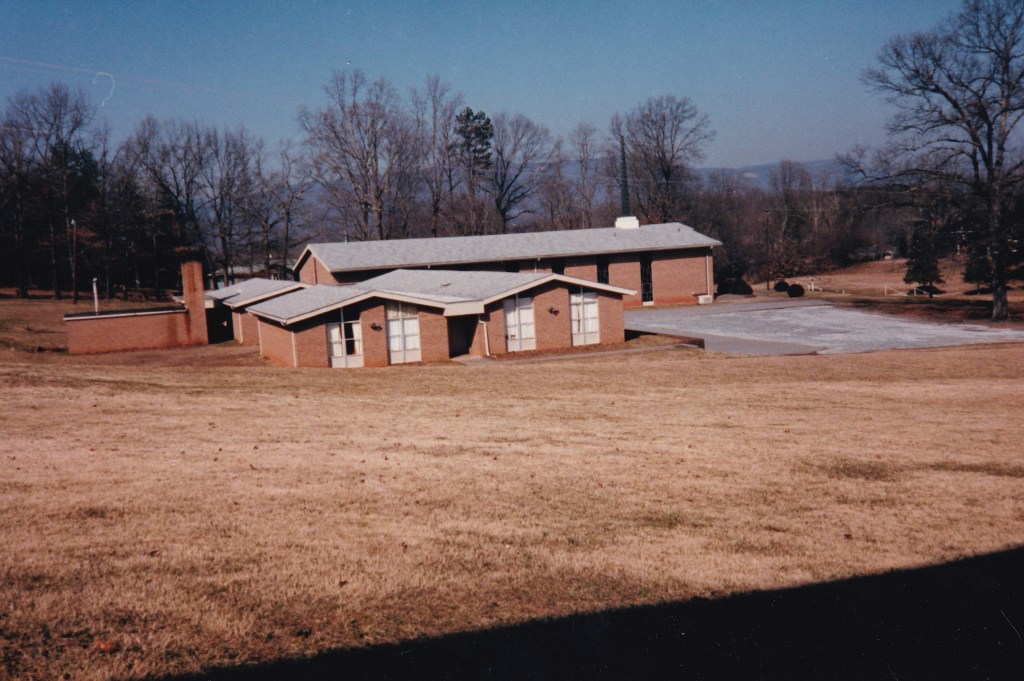
The new building committee was composed of several members of the first building committee including Dr. M.C. Donnan, Mrs. T. T. Dill, and Robert “Fess” Blackwell. Others on the committee were Dr. Thomas Neely, Mrs. C.V. Bruce, Paul Wood, Harry Nelson, David Taylor, Rev. Wade Hale, and J.F. Hall. The firm Lillard, Westmoreland, and McGarity from Spartanburg were hired to create plans for the church building and the plans were approved in the spring of 1962. The insurance payout and contributions since the fire would only provide for about 60% of the building funds needed, so the church agreed to take out a loan from Greer Federal Savings and Loan Association for the remaining amount.
Rev. Ruford B. Hodges, a North Greenville alumnus, was called to be the pastor of Tigerville Baptist Church in the summer of 1962 and construction on the new building began that July after a groundbreaking ceremony held June 20. The Fiske-Carter Construction Company of Spartanburg was awarded the building contract at the price of $159,642.57, but this amount did not include the architect’s fee or any furnishings the church would need. Once again, the South Carolina Baptist Convention and Southern Baptists throughout the state sent in donations to help Tigerville Baptist Church and over $42,000 was received by 1963. In addition to this, the North Greenville trustees agreed to make monthly payments on $25,000 of the church’s remaining construction debt. This arrangement lasted until 1968 when the church resumed the debt payments.
The first service in the new church building was held on February 24, 1963, and a dedication service took place on April 7 of the same year. H.J. Howard, who was the Tigerville Baptist Church historian and the dean of North Greenville Junior College, wrote in the dedication program, “As we contemplate the noble ideals and the sacrificial spirit of those who have labored to bring us to this period of history of our church, and as we survey the heights that have been reached and the goals yet to be attained, let us give thanks for the blessings of this day and pray that our church may strive for spiritual heights comparable with the physical facilities with which our Lord has seen fit to entrust us.”
Rev. Hodges resigned from Tigerville Baptist Church in 1967 to accept a position with the Southern Baptist Convention’s Foreign Mission Board as a missionary to Korea. The next pastor called to Tigerville was Rev. C.H. Beard and the total membership at Tigerville around this time was 195. Under Rev. Beard’s leadership, the church paid off its remaining debt in 1974 and was able to pave the parking lot and driveway. Rev. Beard resigned in 1975, and Dr. Donald Copeland was called to preach in the spring of 1977.
Rev. Francis “Corky” Alewine was called as the pastor of Tigerville Baptist Church in 1979. Rev. Alewine was a WWII veteran, North Greenville Junior College alumnus, and a recently retired Airforce chaplain. When Rev. Alewine accepted the position as pastor at Tigerville, the total church membership had decreased to 139. When Rev. Alewine resigned around 1985, the total church membership had grown to 192.
Rev. Kenneth Hughey came to the church around 1987 and stayed about three years. Church enrollment started to decline throughout the late 1980s. When the next pastor, Dr. Cooper Patrick, was called to the church in the early 1990s, the total membership was around 148. Under his ministry, the church grew to 241 by the time he passed away in October 1998.
Dr. Fred Sanford was called to preach at Tigerville on June 1, 1999, but he did not stay long, and church membership began to decline once again. The Rev. Bill Peacock served as an interim for a few years and Dr. Gerald Roe served, but the church did not have another permanent pastor until about 2008. Unfortunately, student involvement at Tigerville Baptist was not the same as it had in decades past. Most students now had cars, and many went home on weekends. The church membership eventually dipped to less than 100 people.
Rev. Carroll Leopard was called to pastor Tigerville around 2008. During his time, in 2009, Rev. Leopard asked church member Leland Browder what he thought could be done to better reach students and the community. Leland Browder and his wife, Emily, are North Greenville alumni and Mr. Browder worked as dean of men at North Greenville for several years. The Browders came up with the idea of a coffee night with live music and The Coffee Spot Ministry was born. The Coffee Spot originally began with scheduled musician performances and eventually branched out to become an open mic event. The Coffee Spot is popular with both locals and students and still takes place each Monday night at 7:00 p.m. Around 2011, North Greenville University acquired the Tigerville Baptist Church parsonage. The parsonage was moved across the street and currently serves as a dorm.
Over the next decade, pastors at Tigerville Baptist Church included Thomas Lupton (roughly 2014-2016) and Alan Madden (2017-2021). In 2022, Tigerville Baptist Church entered a partnership with Rocky Creek Baptist Church to help with revitalization. Since the partnership began, David Jackson and Rev. Cloer have both served as pastors. Currently, North Greenville University’s own Joshua Gilmore is the interim pastor for Tigerville Baptist Church and is leading them in further revitalization efforts.
North Greenville and Tigerville Baptist Church have had close ties throughout the church’s history. For many years, North Greenville graduations were held in the church sanctuary. Countless ministry students have preached their first sermons at Tigerville Baptist Church and several alumni have returned to the church to serve as pastor. As we look to the future, we pray that Tigerville Baptist Church continues to grow, revive, serve the community, and bring glory to God in all they do.

1950s 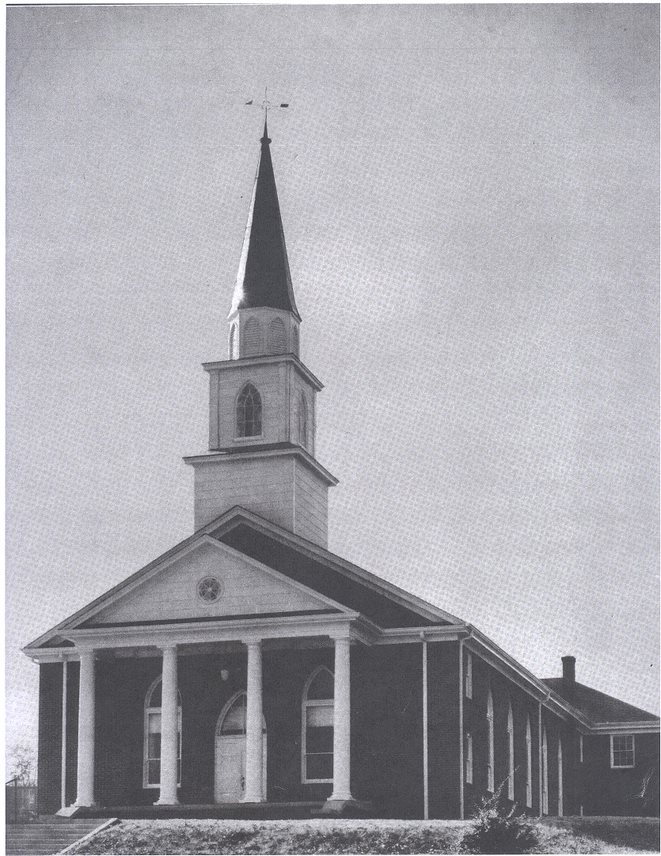
1950s 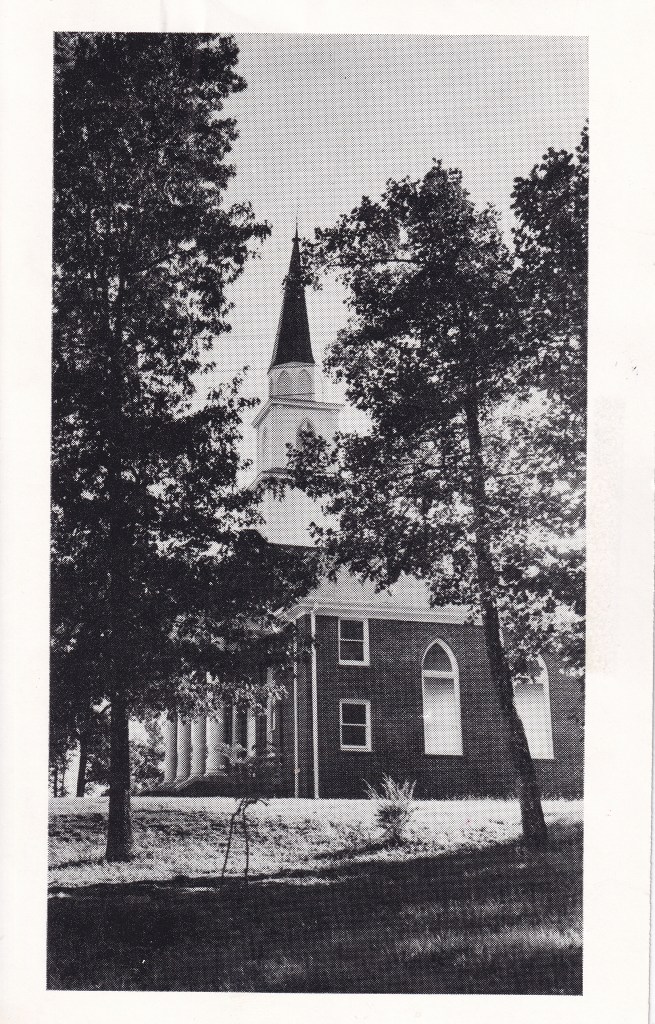
1950s 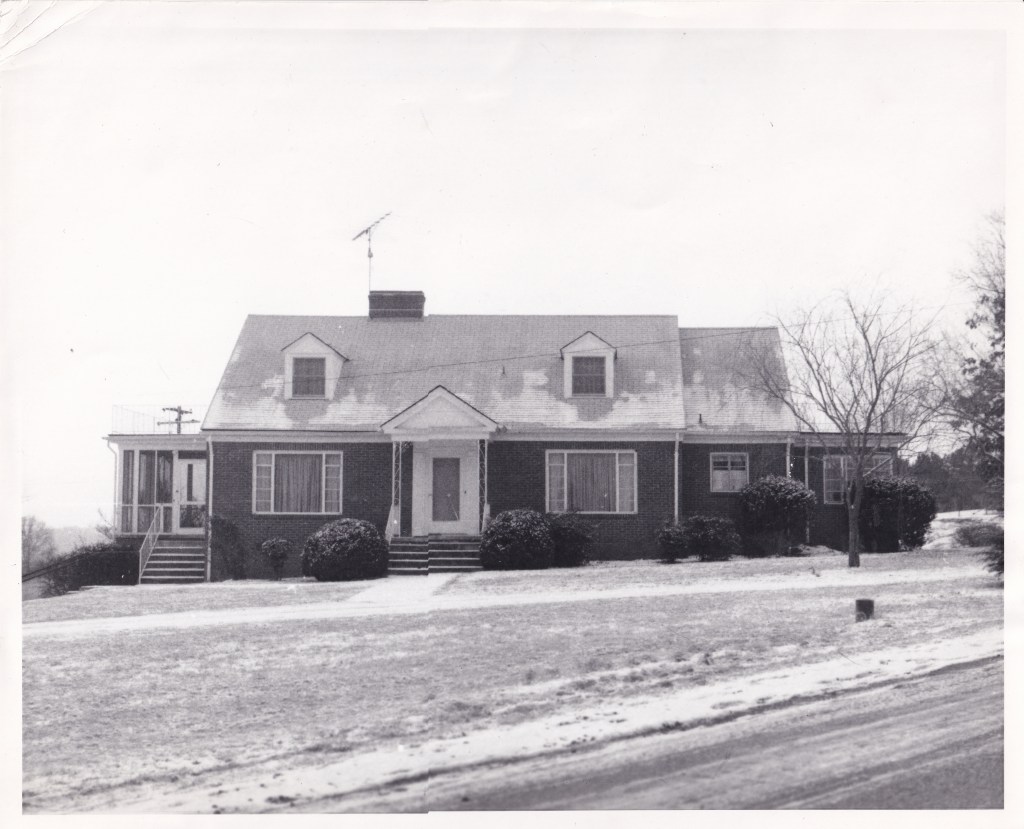
The Parsonage 
Dr. and Mrs. E.B. Crain in the 1950s at the parsonage 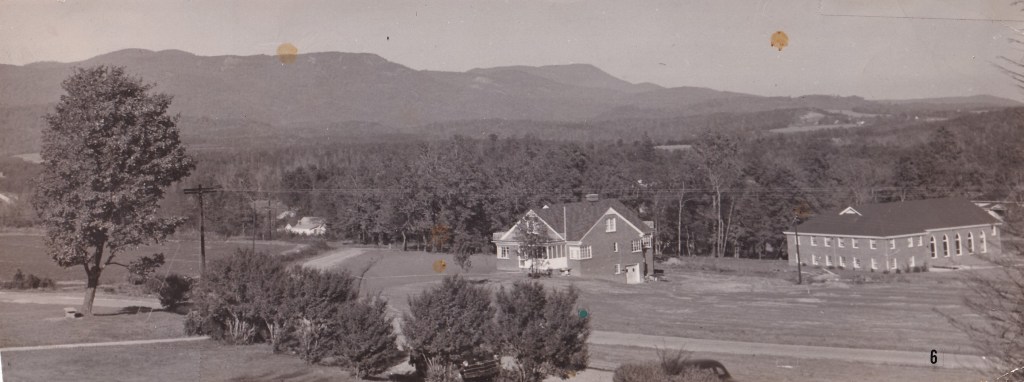
View of the church and parsonage from the college campus in the 1950s 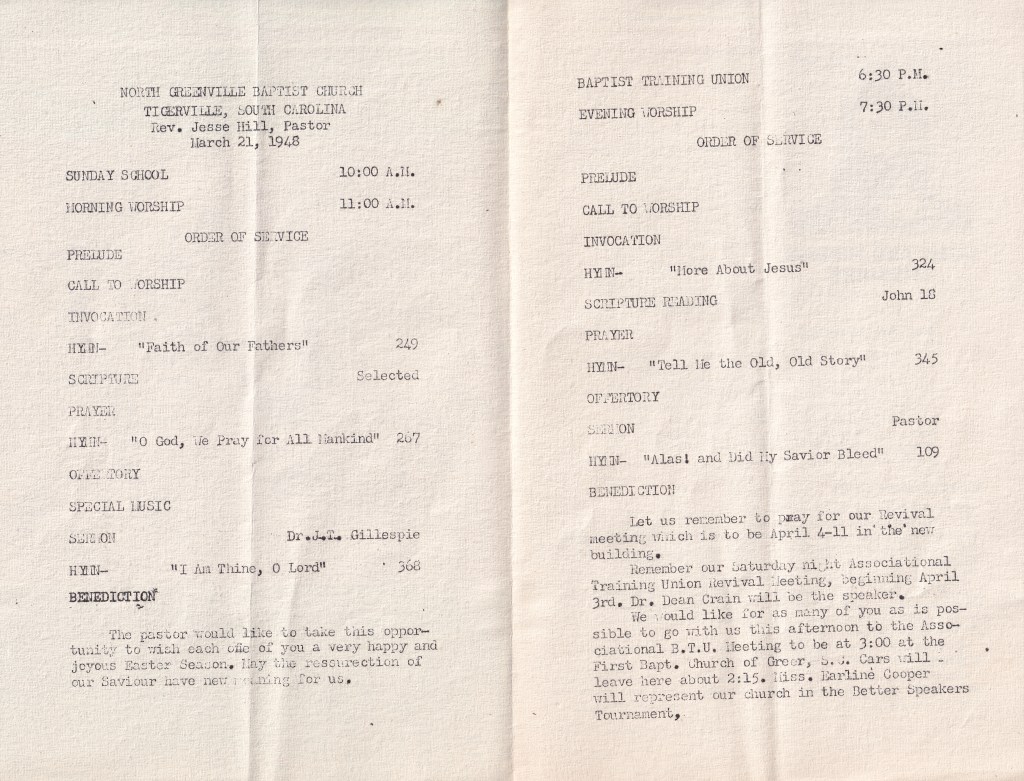
1948 North Greenville Baptist Church Bulletin 
1960 Tigerville Baptist Church Bulletin 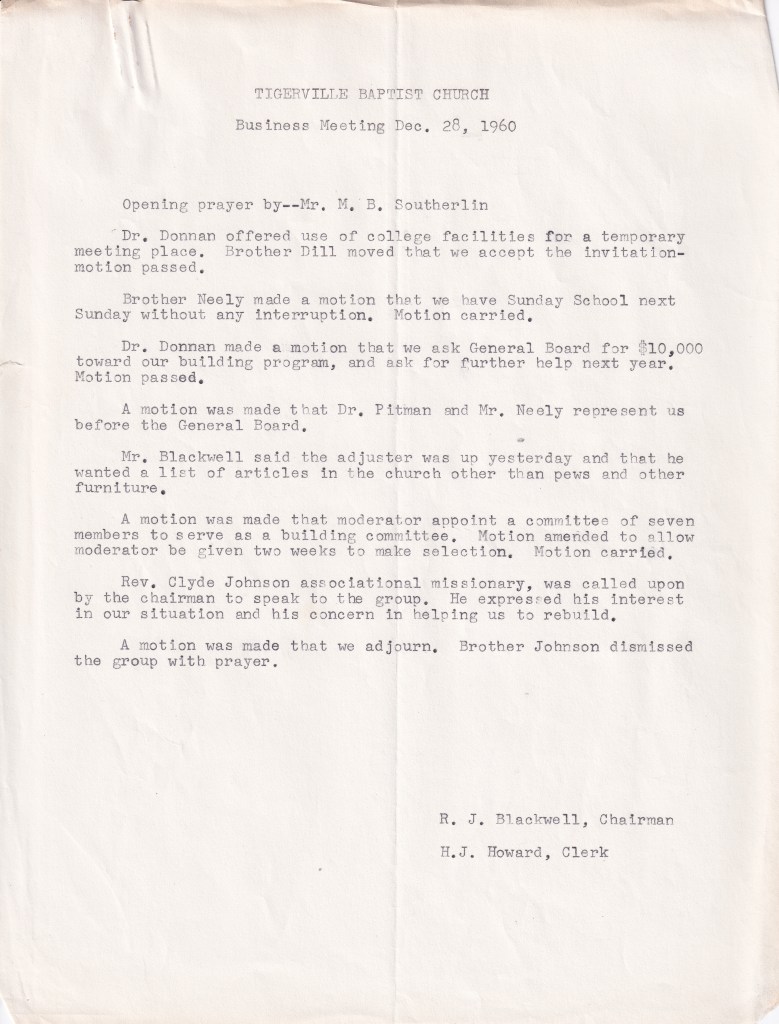
Business Meeting Minutes from 1960 After the Fire 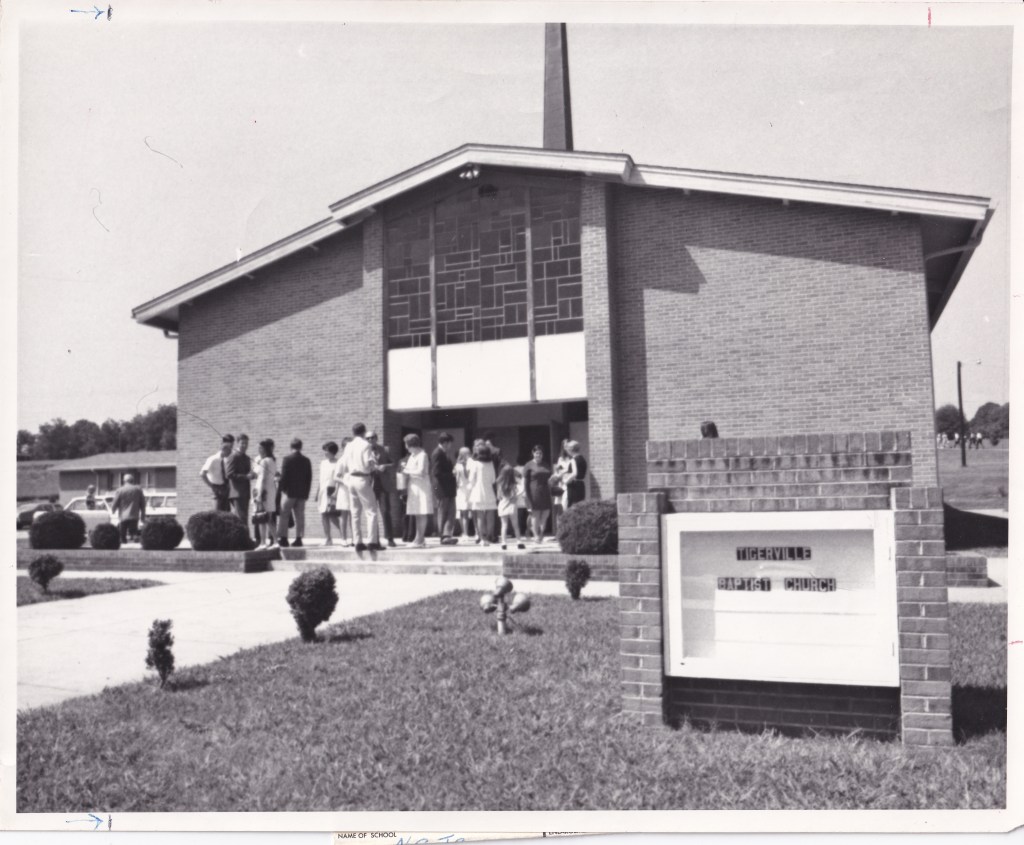
1970 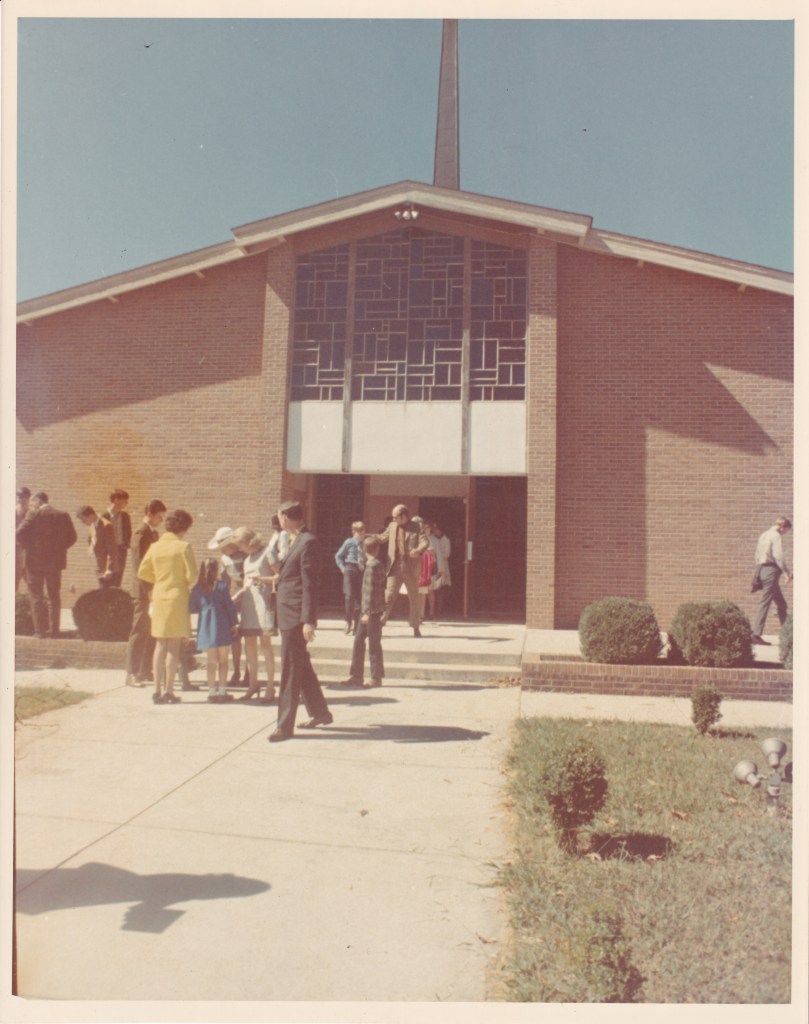
1970 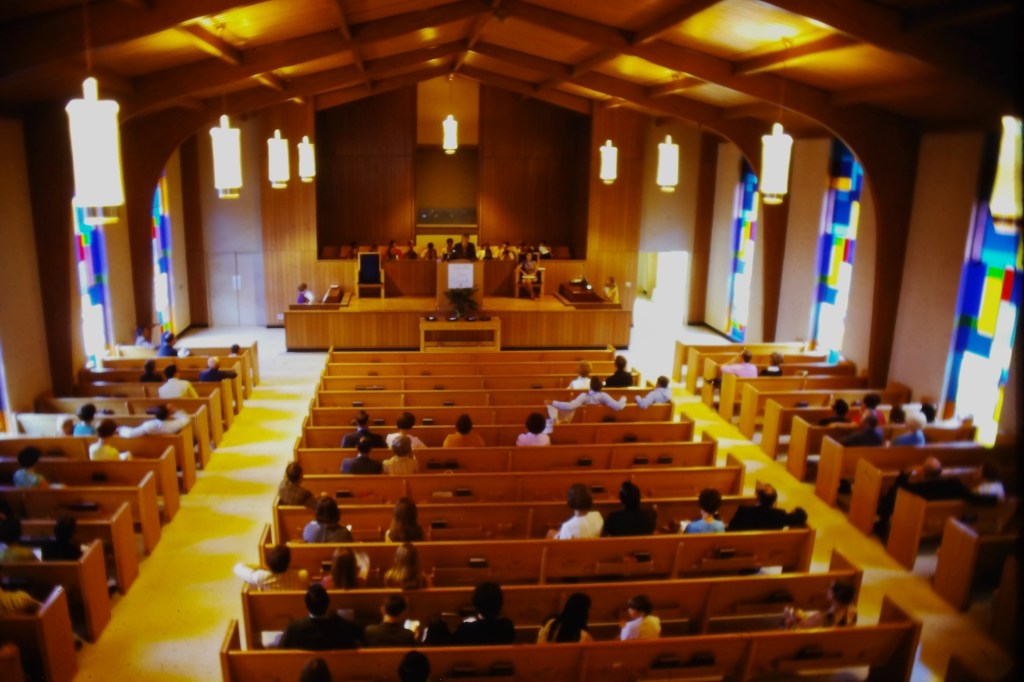
Church Sanctuary 1971 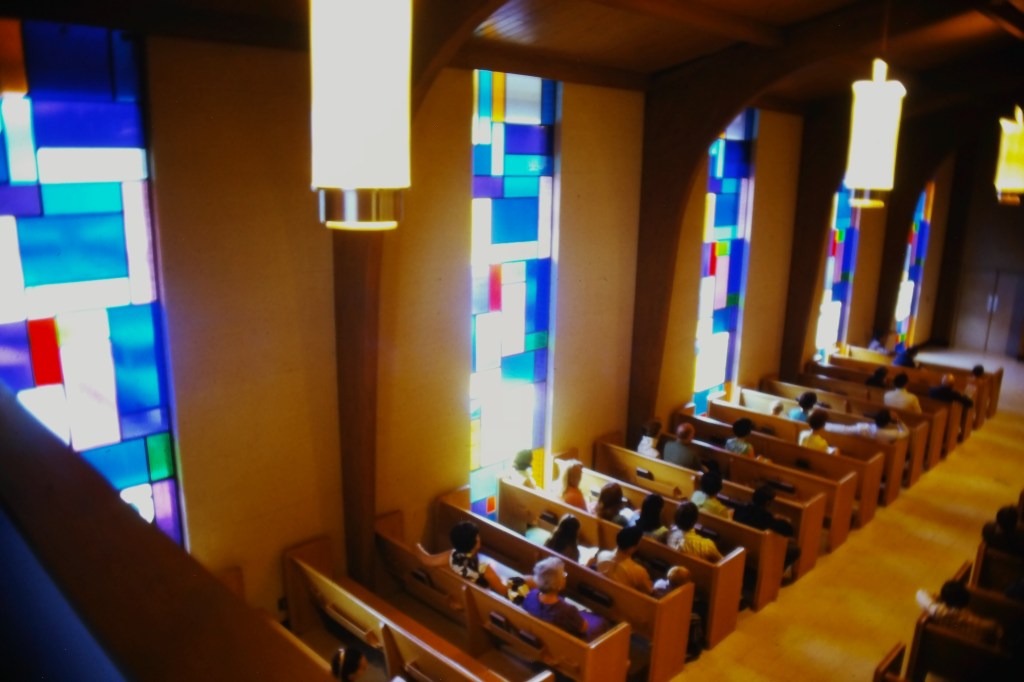
Church Sanctuary 1971 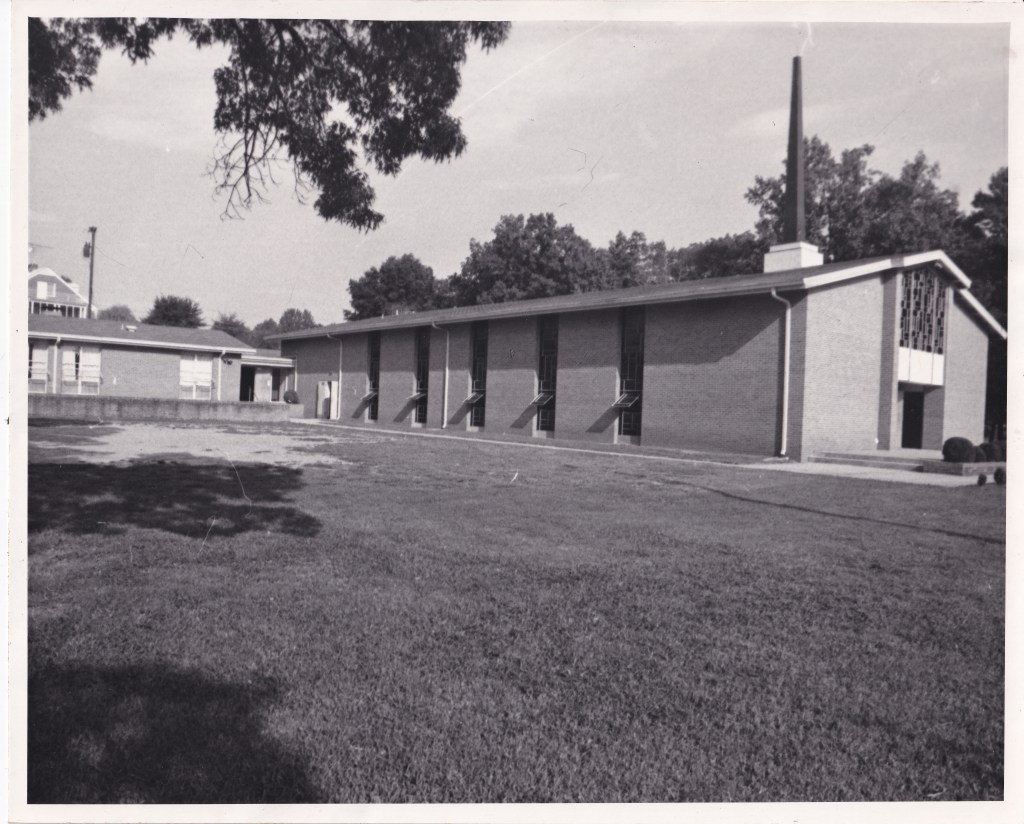
 From These Roots
Leave a comment