
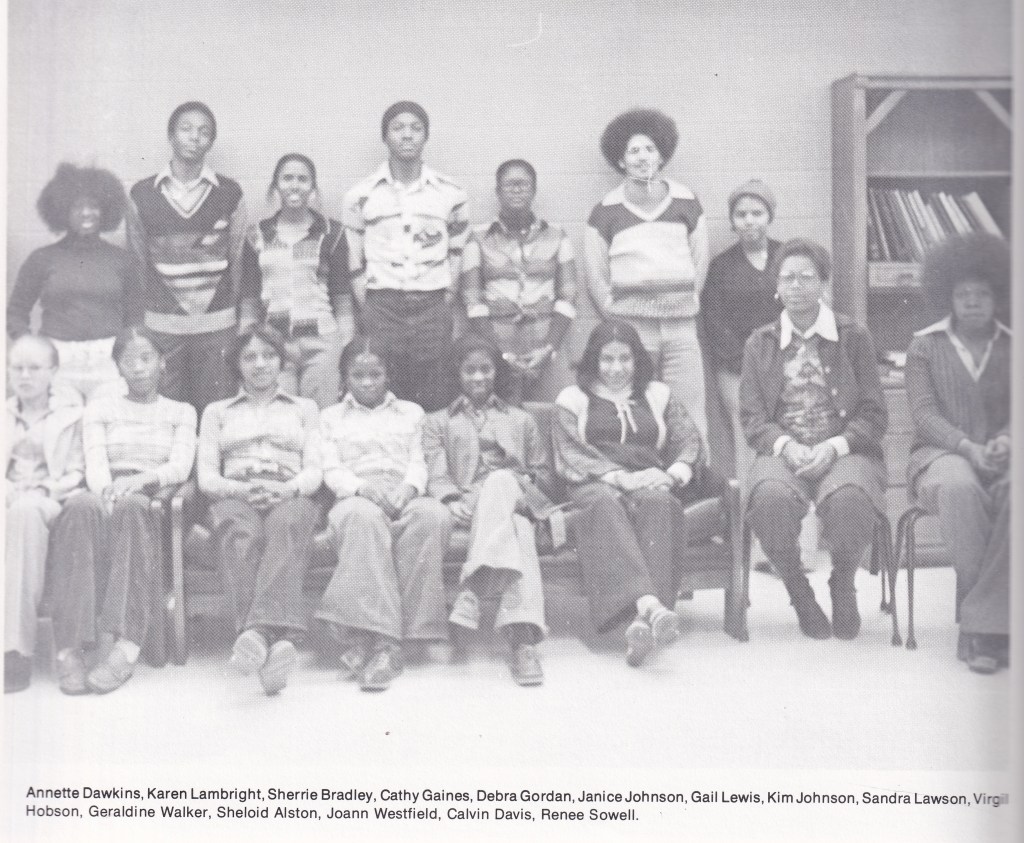
The first black students arrived on North Greenville’s main campus in the fall of 1967. The number of black students in the first few years after desegregation remained small, but gradually grew throughout the 1970s. In 1976, a group of students came together and formed the Afro-American Society. At the time, the clubs and organizations on campus were required to have a faculty advisor. There were no black faculty members yet so Hugh Mathis, a white Bible professor, became the first advisor of the Afro-American Society.
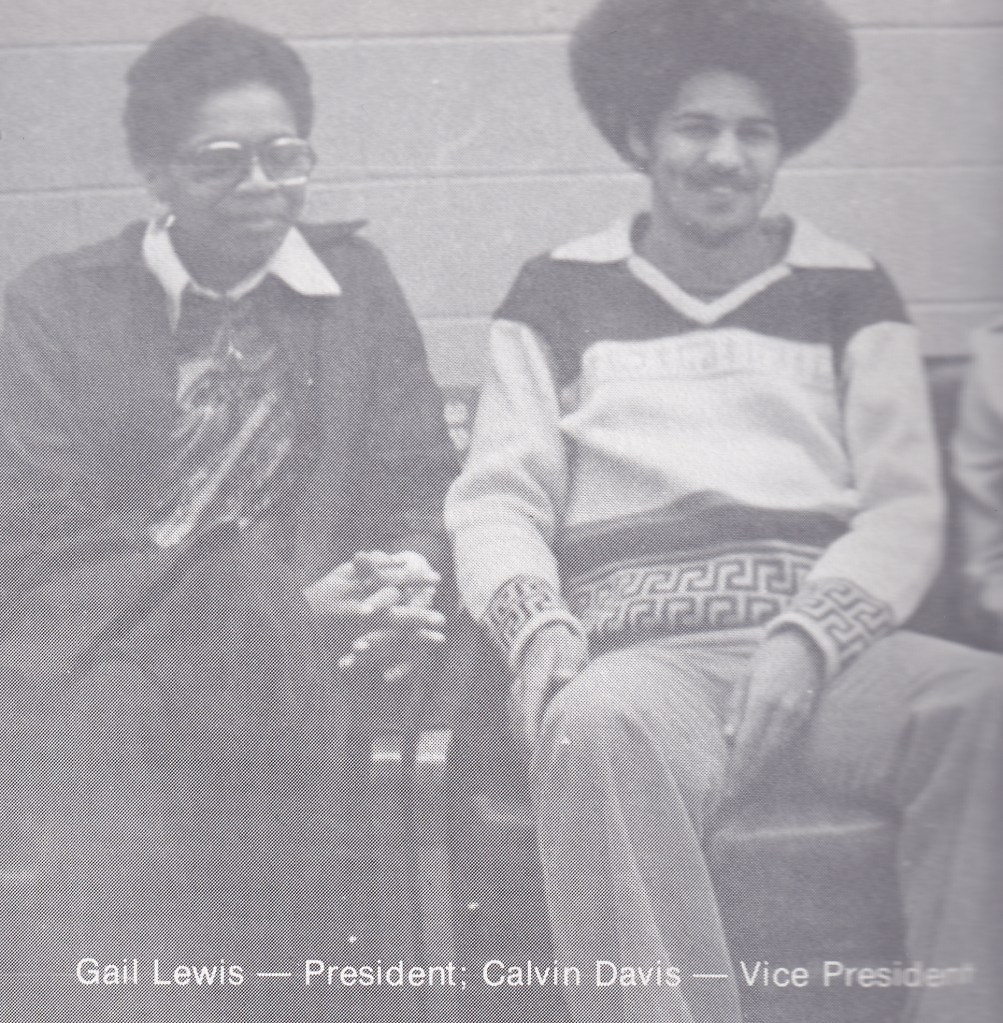
The first Afro-American Society group included around fifteen members. They were led by president Gail Lewis and vice president Calvin Davis. According to the 1978 yearbook, “The Afro-American Society provides the club members an opportunity to join together in fellowship and goodwill. The club sponsors their own choir and is known for its great cake raffle.” By 1979, the group had nearly doubled in size and played an active role on campus including sponsoring a homecoming court representative each year.
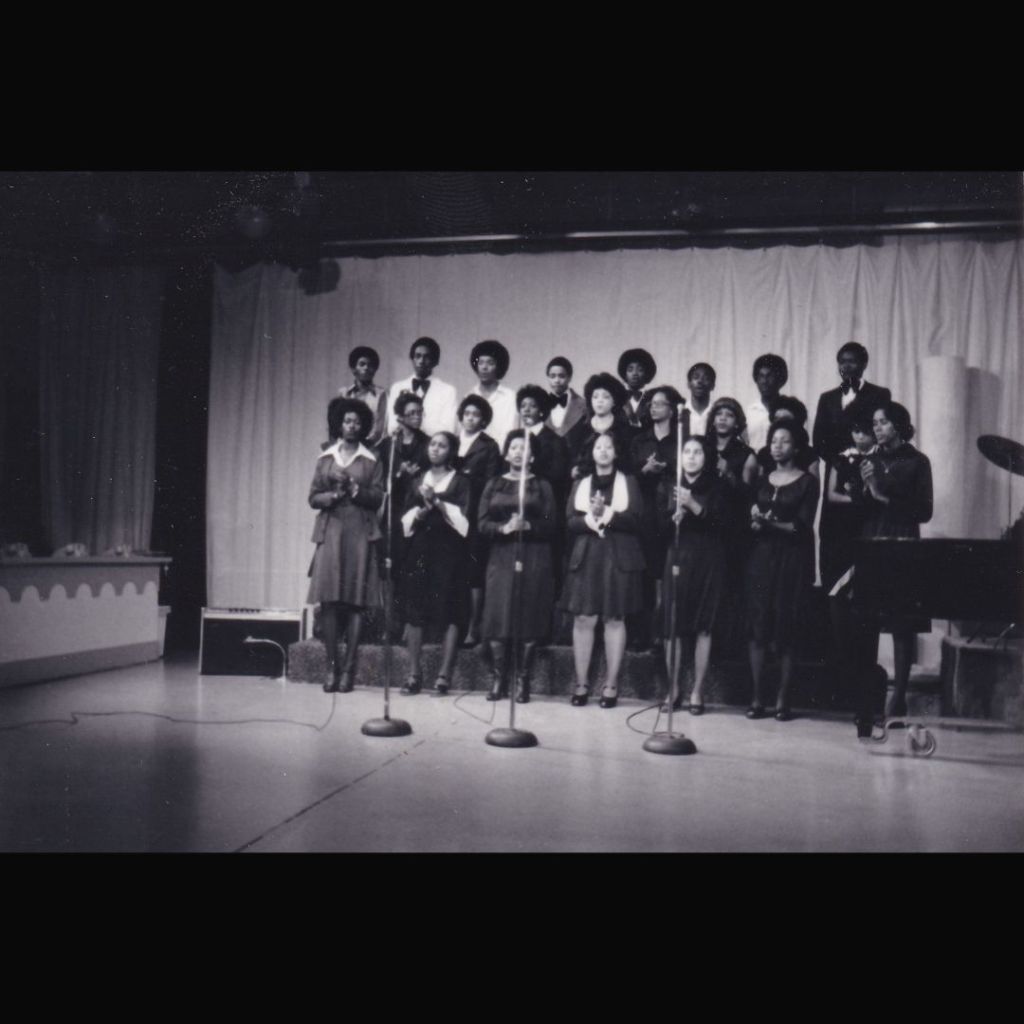
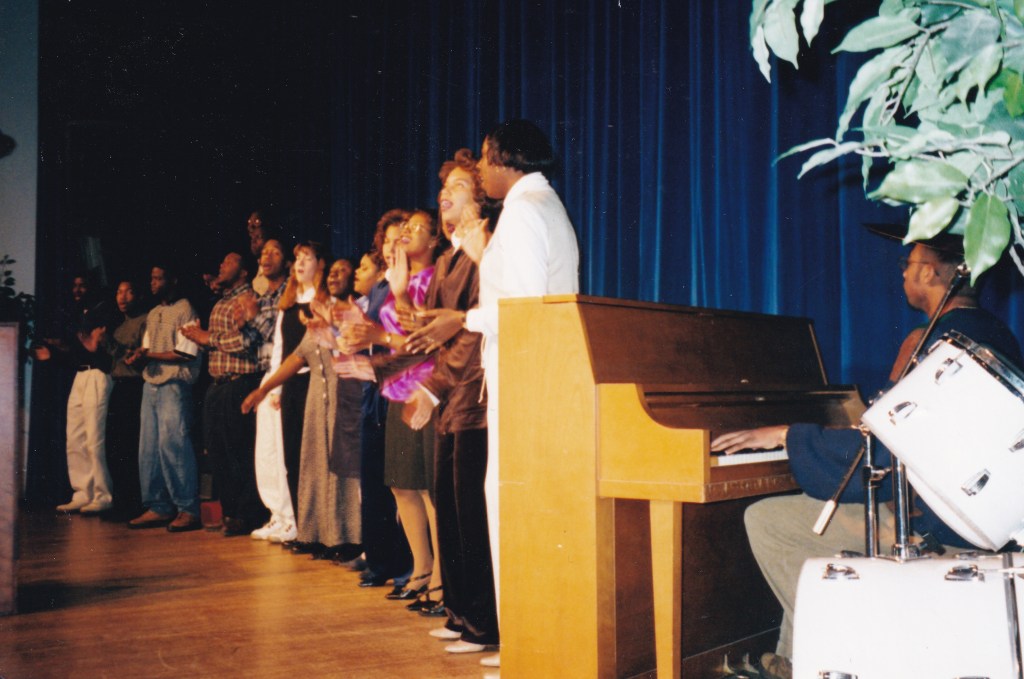
The choir created in those early years stayed a central piece of black student fellowship groups throughout their history. The choir not only performed on campus, but they traveled to various churches and other groups to share the love of Christ through music.
In 1985, the name of the group changed to the Black Student Fellowship, but the mission remained the same. Some years were more active than others and some years there was only a choir. For example, in 1993, the Black Student Fellowship was not shown in the yearbook, but the Spirit of Unity Gospel Choir was featured.
By 1994, the club was all but dead on campus. That fall, however, some students led by Jerry McCallister revived the Black Student Fellowship. At that time, it mostly functioned as a choir as it had in some years past. The students traveled to local churches and other colleges to perform and build relationships with other students.
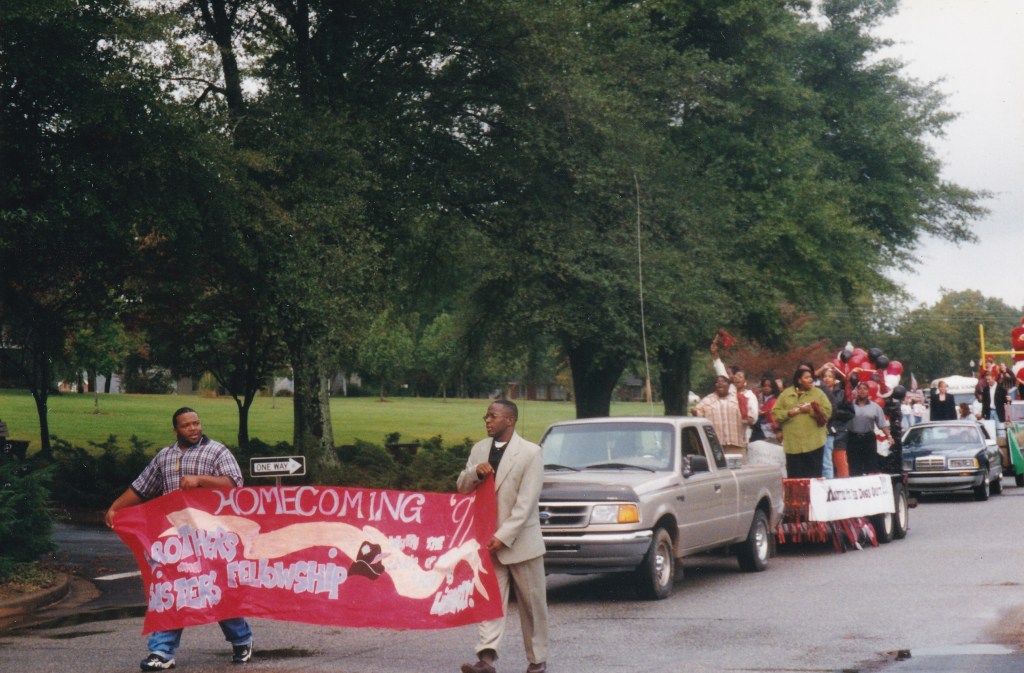
During the 1996-1997 school year, the name of the group changed to the Brothers and Sisters Fellowship (BSF). In a February 1997 interview with the student newspaper, The Skyliner, BSF member Pierre Salmon stated of the name change, “We believe that in order for a true revival to break forth on campus, there must be unity.” The name change reflected their desire to include all students. Lamont Sullivan, North Greenville University’s current Director of Alumni Engagement, was a member of the Black Student Fellowship during this revival of the group. When asked about those years he stated, “From 1996 to 1998, I served as President of BSF. We grew into a club that held Bible studies, had guest speakers, and traveled annually to the National Baptist Student Union’s college retreats. During those days, we still had an annual homecoming parade, and BSF always had a homecoming representative in the homecoming court. We had an active voice in planning events on campus, especially during black history month.”
Throughout the 2000s and 2010s BSF membership and activity fluctuated. Some years, the group had a strong presence on campus while other years little was done. A new revival of the group came in 2020 when the name was changed back to the Black Student Fellowship. The president of this group was Paul Scotland, the vice president was Isaac Langdon, the secretary was Kennedy Chavis, and the social media coordinator was Anna Dessie. In a 2021 interview with the North Greenville University social media team, Paul Scotland stated, “BSF to me means a place to be unapologetically me. NGU is a place where everyone belongs. Our goal is to make everything look more like the Kingdom. It’s not that we’re not different, but that there is beauty in that difference. We are all one in Christ.”
Today, the group is known as the Black Student Union (BSU). According to the group’s Instagram page, their mission is “to create a space on campus where students of color are seen, heard and valued”. In a 2023 interview with NGU’s “The Vision” then BSU vice president, Tiara Cox, stated, “BSU is a group that was created for black students to be able to connect with other black students and to freely express themselves, and to talk about issues that happen with black students at NGU.” Throughout their history, the black student fellowship groups on campus have provided a space for students to gather, fellowship, and worship Jesus.

 From These Roots
Leave a comment