

Women have played a vital role in North Greenville’s history since the very beginning. North Greenville was founded as a co-ed institution in 1892 and has remained one throughout its existence. Women have also served in roles such as faculty, dorm mothers, dieticians, and nurses but it has not always been easy for the women of the school. The leadership roles at North Greenville remained completely in the hands of men until 1968 when the first female trustee was elected. Today, we will take a look at the history of women at North Greenville and the impacts some of them have made.
While the founders, first trustees, and first principal were all men, the first two teachers of North Greenville High School during the 1893 session were both women. Cancie Hill taught the primary grades and Pearl Power taught music. Cancie was born September 4, 1868, in Highlands, North Carolina. After leaving North Greenville, Cancie married Professor James Jennings and went on to teach a total of 40 years before she passed away on April 25, 1958. Pearl was born October 4, 1874, in Commerce, Georgia. After leaving North Greenville, she married Allen Rice. Sadly, Pearl passed away from illness at a young age on May 6, 1908. Following in the footsteps of Cancie and Pearl came more women who continued to make up much of the school’s faculty. There has not been a single school year in North Greenville’s history where there was not a female faculty member.
In the early days of the school, the female students had much stricter rules than the male students. For example, in the 1916-1917 catalog, the number of regulations for girls was eighteen while the number for boys was only seven. The girls were not allowed to leave the dormitory grounds without a chaperone. Parents of female students had to give the principal a list of four people who were allowed to send their daughters mail. Once a letter or package to a female student was received, it had to be examined by the Lady Principal before being given to the student. The girls were also not allowed to accept gifts from male students and had to conduct themselves in a “lady-like manner” at all times.
When sports teams began at North Greenville in 1915, they were just for the boys. The girls did not stand by and let that continue to happen for long, though. In 1919, the Women’s Athletic Association was founded and the first thing the women did was request a basketball court for the team they wanted to form. According to the 1920 yearbook account of what happened, “The girls wanted a basketball court; they called on the boys to build it. A number of the boys responded, but as there was such a temptation to loaf, only a few worked. When it was clear that the boys had quit the job, the girls decided to build the court themselves. But the boys could not stand idly by and see the girls working so hard; so they went to work and finished the job.” The women’s basketball team lasted throughout the 1920s and ended before 1930. Women’s sports would not return to North Greenville until 1958, but from that point on, there was at least one intercollegiate women’s sport sponsored by the school. The only exceptions to this were the 1971-1972 and 1972-1973 school years.
The first graduation ceremony at North Greenville High School was held in 1902 and included the first female graduate- Cora Ellis. Cora was born May 18, 1882, and grew up in the Locust Hill community. She taught school in Pickens County for one summer after leaving North Greenville before she married W. Henry Williams later that same year. The couple had eight children together and Cora passed away March 9, 1964. With only a few exceptions in the early years when there were only one or two seniors, nearly every graduation ceremony for the academy included a female graduate.
Thirty-four years after the first high school graduation was held, North Greenville Junior College celebrated the graduation of its first nine college graduates in 1936. Four out of the nine were women. Cleo Evans taught for one year after graduating before marrying Barney Blackwell in 1937. She attended Wofford College and then graduated from the University of South Carolina. She remained a teacher and taught at Landrum Elementary for many years. Marguerite McKinney attended Furman University for one year before marrying Howard Page. She then stayed home to raise their four children in Spartanburg. Lessie Lee Campbell earned her B.S. degree from Asheville Teachers College. She married John Kell, had two daughters, and had a career teaching in Toccoa, Georgia. Nettie Burnett, who received the first diploma from North Greenville Junior College, graduated from the Spartanburg General Hospital School of Nursing in 1940 and served as a nurse in the Army throughout World War II. She later became an anesthetist at Greenville General Hospital. Since North Greenville became a college, there has never been a year without a female graduate. In fact, there have been years where the majority of graduates were women.
Throughout the years, female faculty and staff have continued to do invaluable work for the school and its students. Early dieticians on campus, like Essie Taylor, had to creatively stretch resources to feed students and faculty with a very limited budget and what they could gather from the school farm. Women like librarian Edith Sayer and English professor Jean Martin Flynn saved school history that would have otherwise been lost. Jean Martin Flynn also wrote the school’s first history book. Alice Stockton Lawton devised, developed, and kept the first permanent record system for North Greenville Junior College. Rose Neves Clayton was the nurse on campus for decades. She guided the school through a flu outbreak and also went out into the community to help those in need of medical care. We could not begin to list every woman who has impacted the school.
Several women have been acknowledged for their dedication to North Greenville by having roads or buildings named in their honor. Taylor Street is named after Essie Taylor, a long-time dietician on campus, and her father. The Cooper Apartments were named in honor of alumna and faculty member Harlee Cooper. The former Wingo Hall was named after “Mother” Wingo who served as a dietician and Lady Principal for many years. The Tuttle Clinic was named after faculty member Elsie Tuttle. The Barbara McCormick House was named after alumna Barbara McCormick who spent many years serving North Greenville. Lastly, Jan McDonald Field is the softball field named after Jan McDonald who started the softball program at North Greenville and later became the first female athletic director of the school and possibly the state. Other buildings have been named after female donors or in honor of a woman, but these were all specifically named in honor of their namesakes due to their work for the school.
After decades of male-only leadership, North Greenville’s first female trustee, Mary Jane Kinard, was elected by the South Carolina Baptist Convention in 1968 and served until 1972. In the Alumni News article about her appointment, she was listed as “Mrs. Joe Kinard” so genealogical research had to be completed to find out her first name. Mary Jane Walker Kinard was born on February 7, 1919, to parents Dr. T.O. Walker and Janie Hughes Walker. She grew up in Greer and attended Furman University before marrying Joseph Kinard in 1939. She was an active member of Greer First Baptist Church where she served as a member and leader of the W.M.U. (Women’s Ministry Union). Mrs. Kinard had two children of her own as well as a stepson. She passed away at the age of 83 on August 21, 2002. Women have consistently served on the board of trustees ever since.
March is Women’s History Month and, throughout the month, we will post the stories of some of the women who helped to make North Greenville what it is today. In addition to reading these new posts, we hope that you will look back at some of the life stories we have told previously. We would also love to read about the North Greenville women who have impacted your own life.
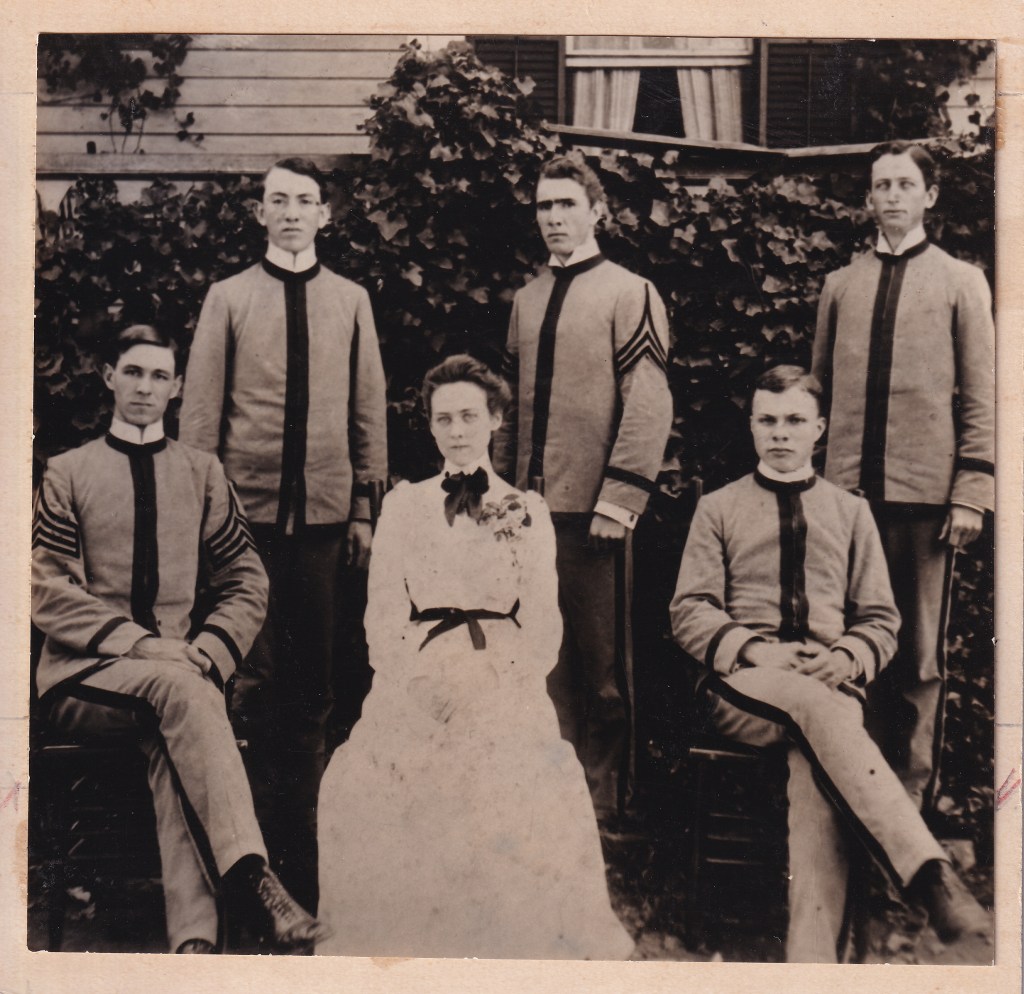
Cora Ellis in 1902 with the first graduating class of North Greenville High School 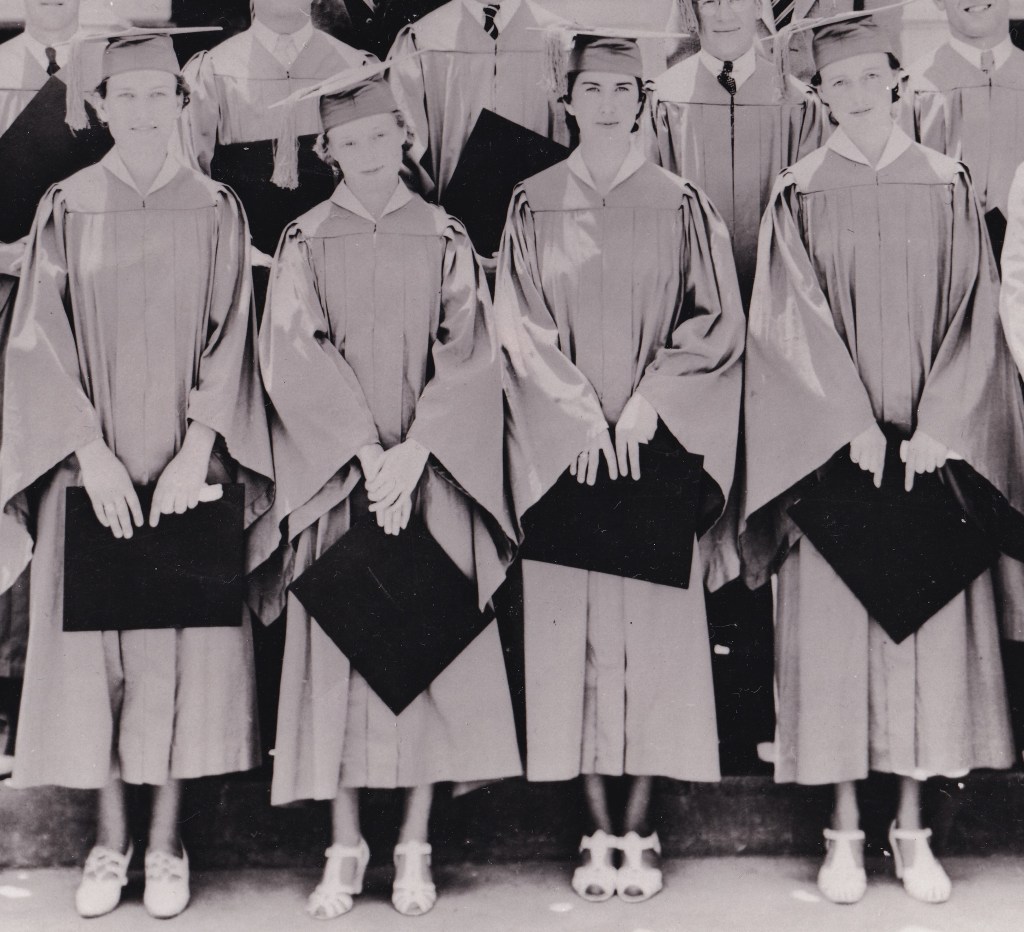
The first four women graduates of North Greenville Junior College: Lessie Lee Campbell, Marguerite McKinney, Cleo Evans, and Nettie Burnett 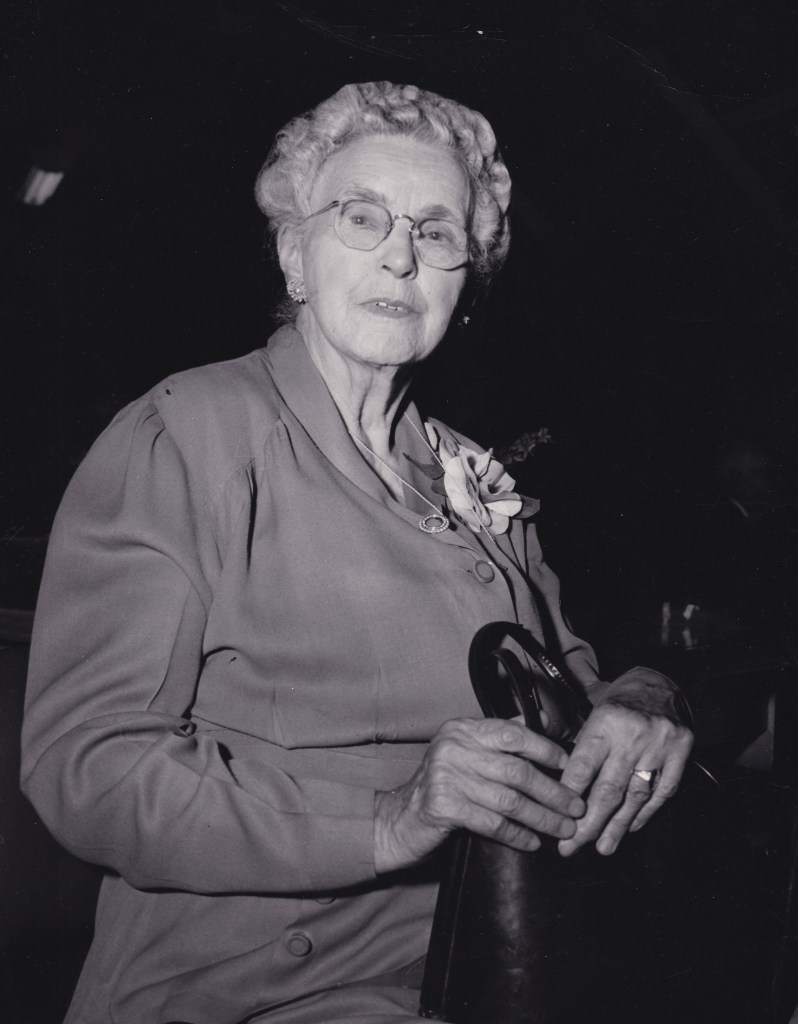
Essie Taylor 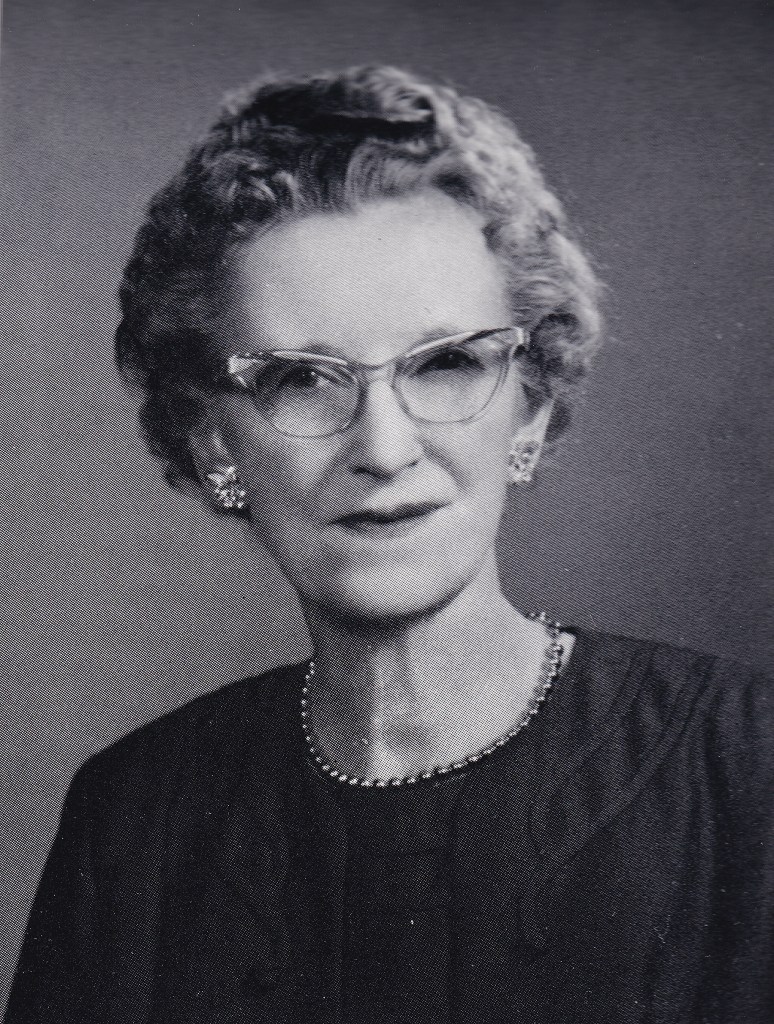
Alice Stockton Lawton 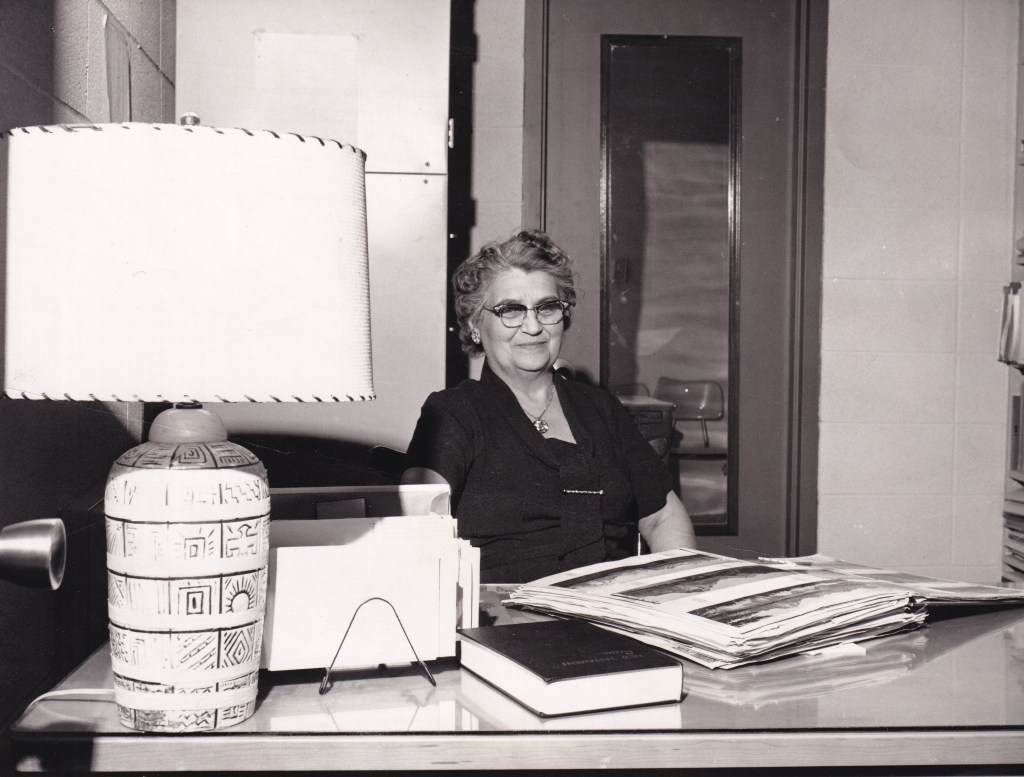
Elsie Tuttle 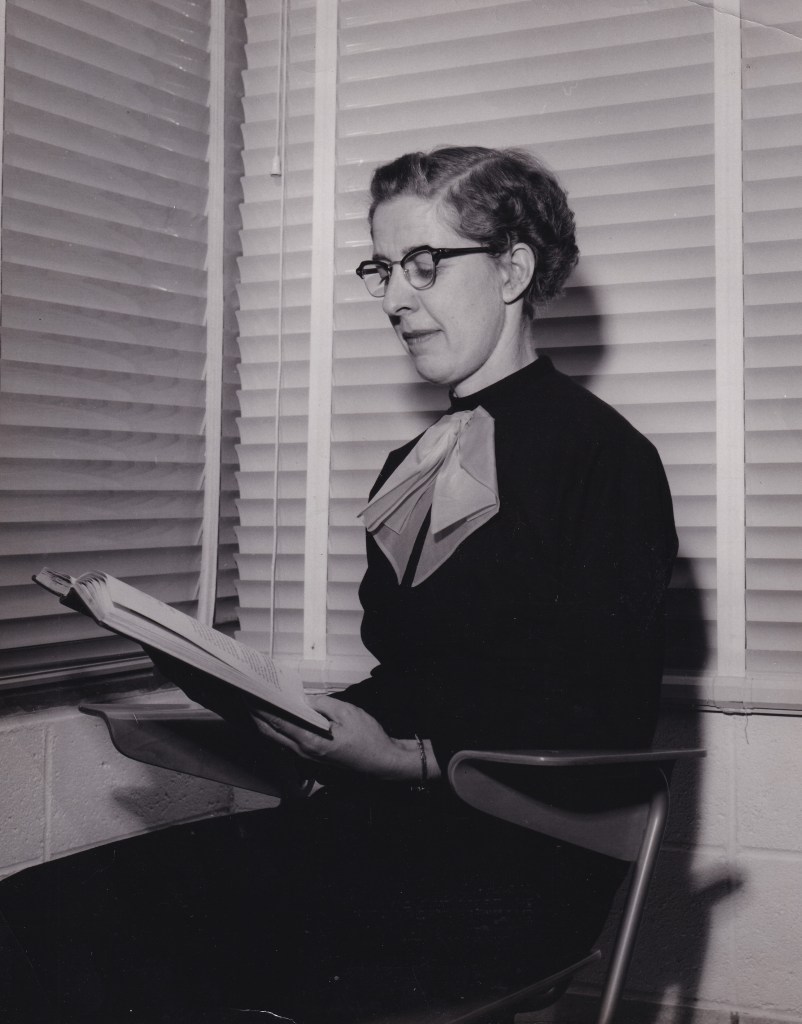
Jean Martin Flynn 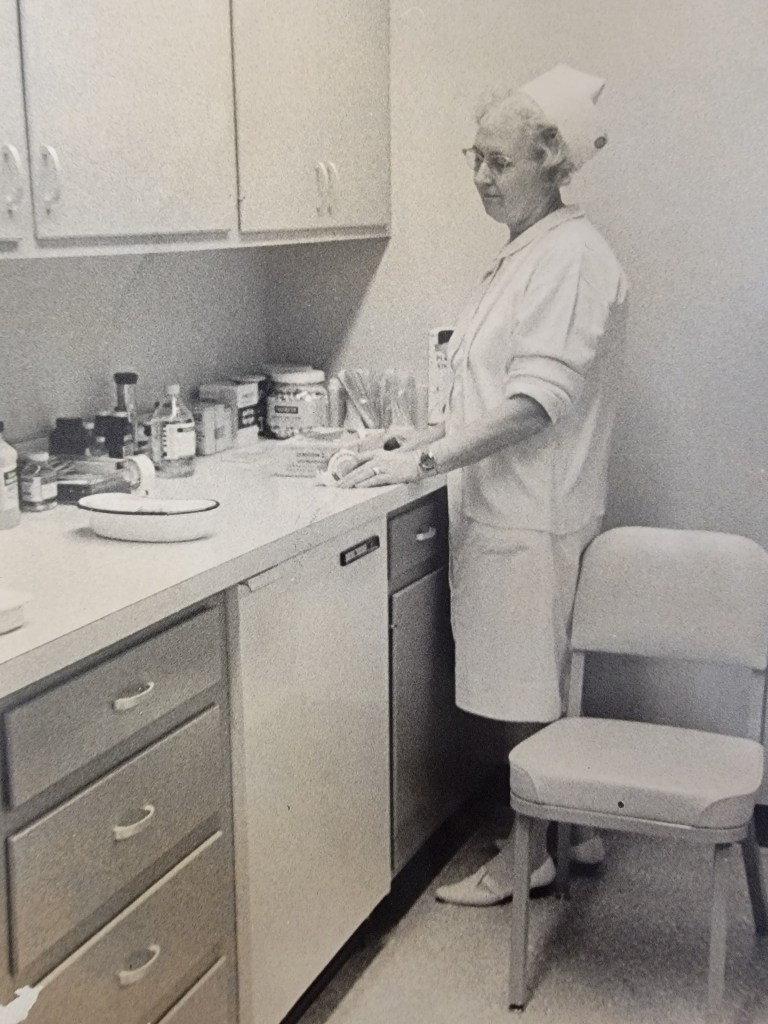
Rose Neves Clayton 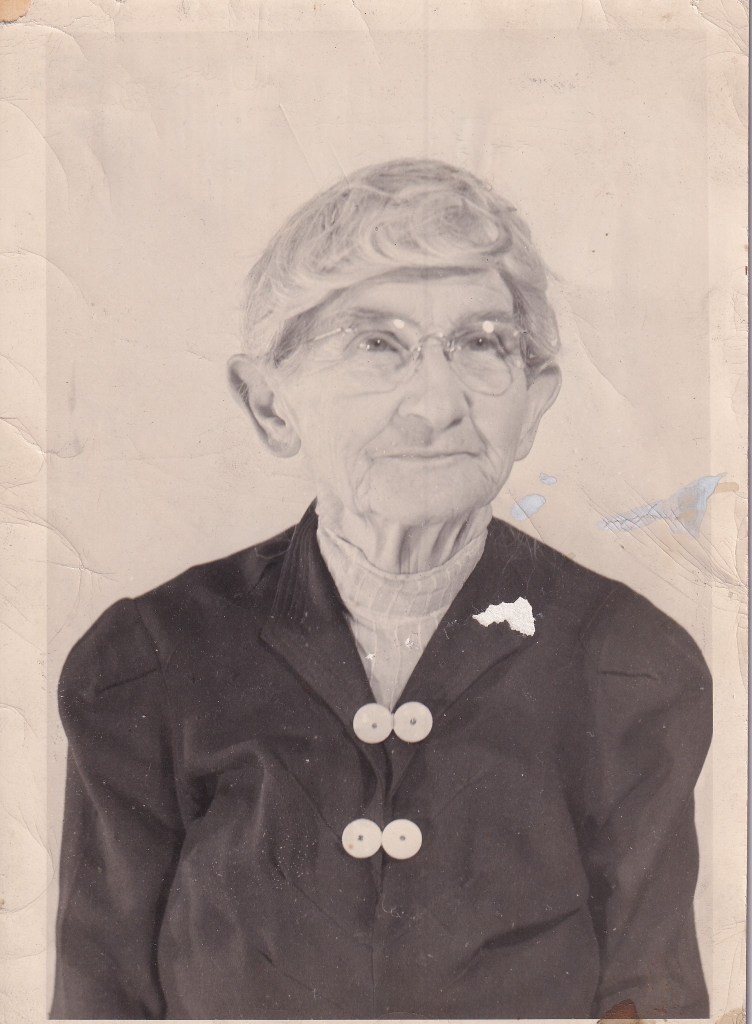
Mrs. Wingo (Mother Wingo) who Wingo Hall was named after 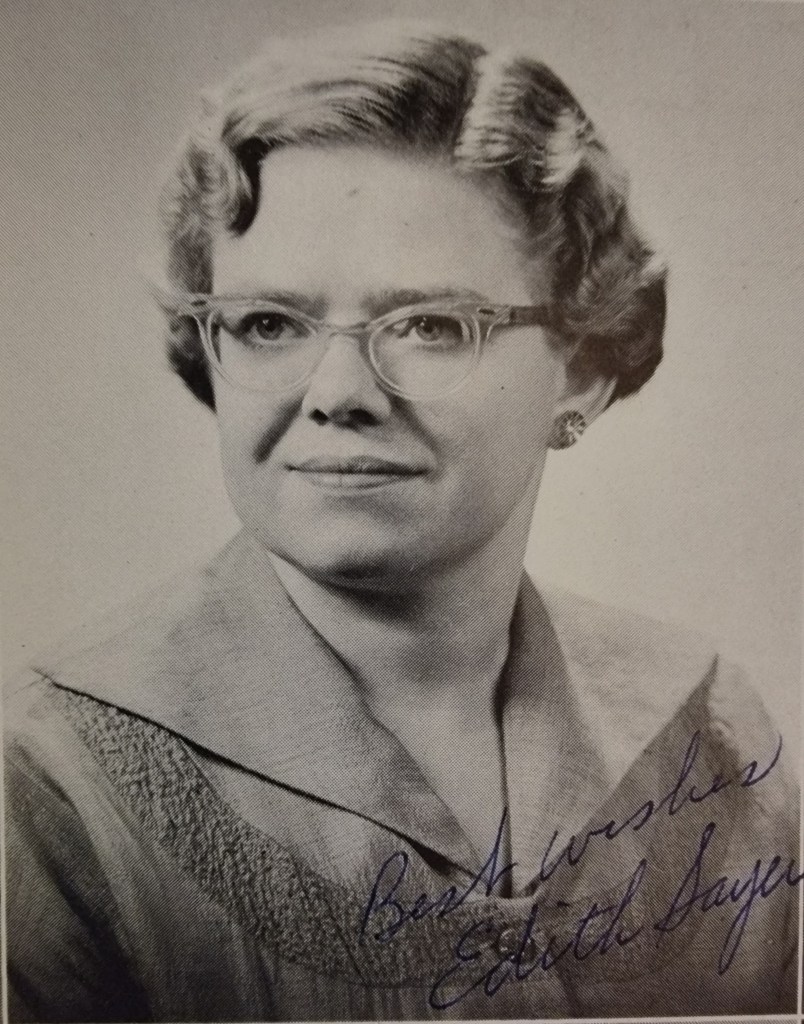
Edith Sayer 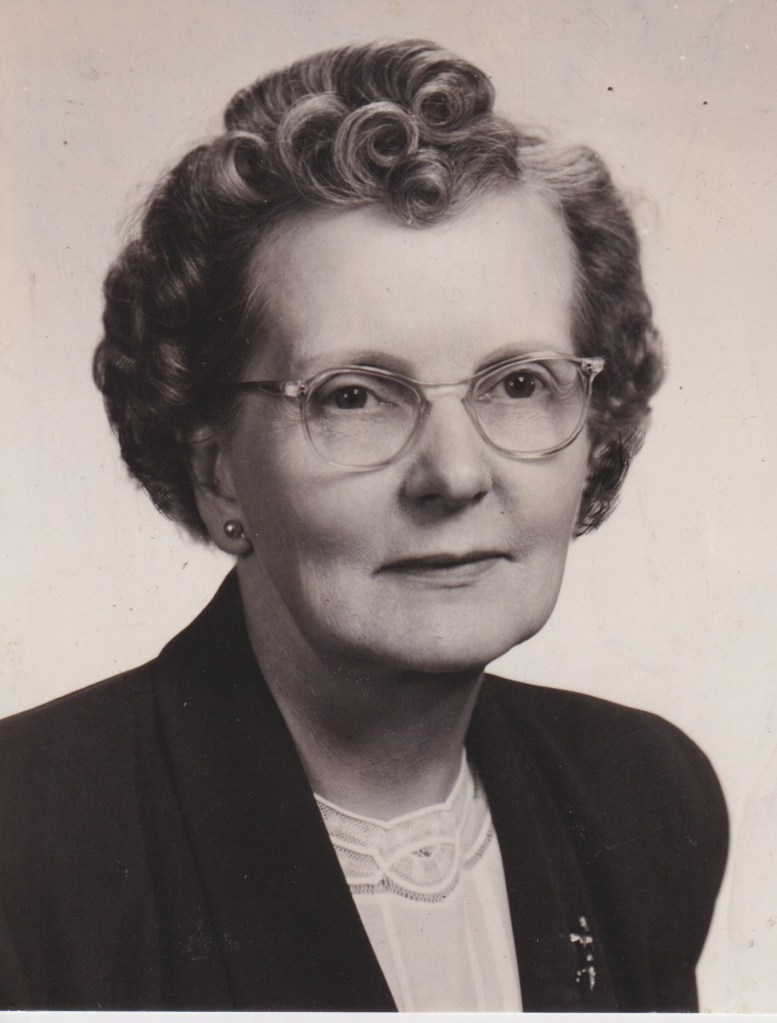
Harlee Cooper 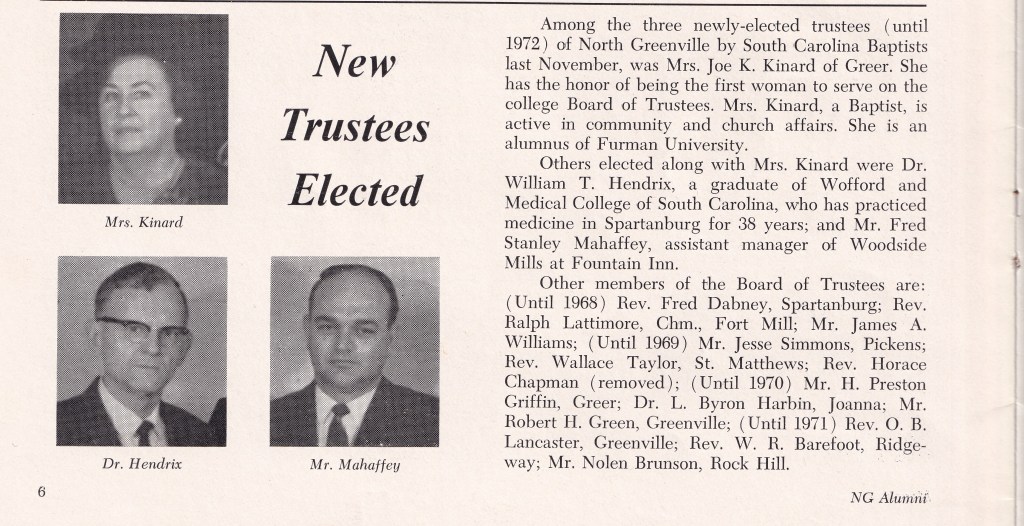
Mary Jane Kinard’s trustee election announcement in the Alumni Newsletter 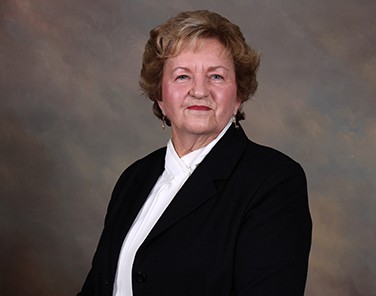
Barbara McCormick 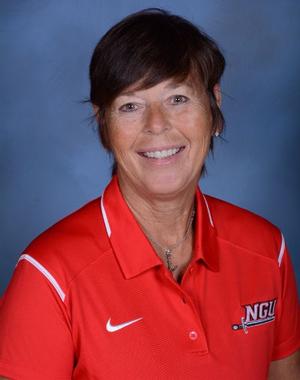
Jan McDonald
 From These Roots
Leave a reply to Catherine Cook Sepko Cancel reply